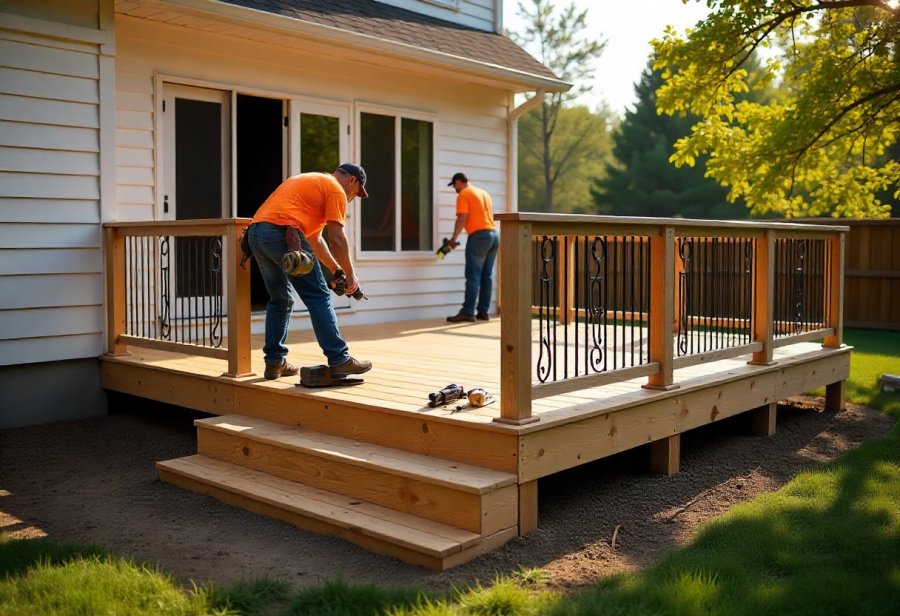
Transforming Toronto yards into stunning outdoor retreats is more than just an aesthetic pursuit—it’s a mindful balance of beauty, sustainability, and personal vision. How can homeowners create lush, resilient spaces that thrive through Toronto’s harsh winters and humid summers? This guide unveils the secrets to blending innovative landscape design with eco-conscious practices, from native plantings to smart irrigation systems. It explores the essential principles of layout, focal points, and zone creation to craft versatile, inviting environments tailored to individual needs. Yet, the challenge remains: how to execute these visions flawlessly amid seasonal extremes and environmental considerations? With expert insights on installation, maintenance, and future trends, readers are invited to reimagine their outdoor spaces—not just as green patches but as sustainable sanctuaries that enhance daily life and support ecological health. Discover how thoughtful design and responsible choices can turn any yard into a personalized, resilient outdoor oasis.
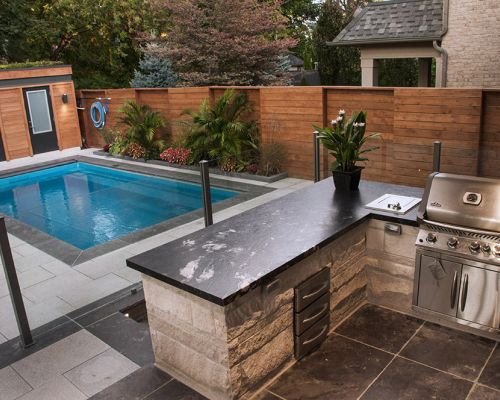
Transforming Toronto Yards into Personal Outdoor Retreats
Transforming residential yards into inviting outdoor retreats has become a priority for Toronto homeowners seeking to make the most of their limited outdoor space. In a city where urban living often means sacrificing greenery and open areas, turning a yard into a personal oasis offers more than just aesthetic appeal—it enhances daily life. A well-designed outdoor space provides a peaceful escape from the hustle and bustle, a place to relax, entertain, and connect with nature without leaving home.
These yard transformations are driven by a desire to blend beauty with practicality. Homeowners want outdoor areas that are visually striking yet easy to maintain and environmentally friendly. Incorporating native plants, eco-conscious materials, and smart landscaping practices ensures resilience through Toronto’s changing seasons, supporting sustainability while creating a lush, welcoming environment. The goal is to craft spaces that not only boost curb appeal but also serve as functional extensions of the home.
Every yard is unique, shaped by its size, layout, and the homeowner’s personal preferences. Achieving a successful transformation requires understanding individual needs and site conditions, then tailoring solutions accordingly. Whether it’s a cozy garden nook, a modern patio, or a vibrant landscape supporting local wildlife, the focus remains on creating a space that feels both personal and purposeful.
As Toronto’s population grows and urban density increases, outdoor spaces gain even more importance. They add value to properties, foster a sense of community, and promote healthier, eco-conscious living. Native plants, rain gardens, and sustainable materials are becoming standard tools in creating resilient landscapes that withstand the city’s seasonal extremes—cold winters and humid summers—while remaining beautiful and functional year-round.
This shift toward outdoor transformation reflects a broader view of home environments. Many residents now see their yards not just as green patches but as extensions of their values—spaces that support relaxation, ecological health, and social connection. Thoughtful design and sustainable practices turn outdoor retreats into meaningful, long-lasting assets that enhance quality of life and promote environmental stewardship.
Understanding these goals sets the stage for exploring the core principles of landscape design in Toronto. From selecting the right plants to mastering layout and material choices, the upcoming sections will guide homeowners and designers alike in turning visions into reality. The focus remains on creating outdoor spaces that are as sustainable as they are beautiful—places where functionality and style go hand in hand, enriching everyday living.
Essential Landscape Design Principles for Toronto’s Unique Climate
A solid understanding of landscape design fundamentals is crucial for turning Toronto yards into successful outdoor retreats. Key principles like balance, contrast, and focal points help create spaces that are both visually appealing and practical. For example, strategically placing a prominent tree or water feature can serve as a central anchor, guiding the eye and establishing harmony throughout the yard. In Toronto’s climate, considering scale and proportion ensures that plants, furniture, and hardscape elements fit comfortably without feeling out of place or cluttered, making the space feel cohesive and inviting.
Toronto’s weather patterns heavily influence landscape choices. Winters bring cold temperatures and snow, while summers can be warm and humid. Selecting native or well-adapted plants ensures durability and reduces ongoing maintenance. Native species support local pollinators, thrive with minimal intervention, and withstand seasonal extremes, making them a smart foundation for sustainable design. Understanding soil conditions and drainage issues is equally important, as they influence plant health and landscape longevity, helping to prevent problems like water pooling or plant stress over time.
Design principles such as symmetry, contrast, and focal points form the core of a compelling landscape. Symmetrical layouts lend formality and balance, while asymmetrical designs offer a more relaxed, natural feel. Thoughtfully placed focal points—like sculptures, fire pits, or eye-catching shrubs—add depth and purpose, creating visual rhythm and guiding movement through the yard. When these elements are integrated with intention, they transform an ordinary outdoor space into a curated retreat that encourages exploration and relaxation.
Recent innovations in landscape practices have further supported Toronto yards’ sustainability and resilience. Techniques like xeriscaping with drought-resistant native plants help reduce water consumption, while rain gardens manage runoff and improve water quality. Eco-friendly materials, including recycled pavers and biodegradable mulches, minimize environmental impact. Smart irrigation systems, equipped with weather sensors, conserve water and keep plants lush with minimal waste. These advancements make sustainable landscaping more accessible and effective, ensuring the outdoor environment remains vibrant and resilient through changing seasons.
Balancing aesthetic appeal with ecological responsibility remains at the heart of successful yard transformations. Native plantings seamlessly blend into the local environment, supporting pollinators and local wildlife. Water-efficient systems and sustainable materials help landscapes withstand Toronto’s seasonal extremes, from icy winters to humid summers. Layering textures and diverse plant varieties adds visual interest and biodiversity, creating yards that are not only beautiful but also resilient and supportive of broader environmental health. This approach ensures that outdoor retreats remain functional and captivating over the years, aligning beauty with sustainability in every detail.

Creative Strategies to Craft Stunning Outdoor Spaces
Transforming a yard into a captivating outdoor retreat requires a blend of thoughtful design and practical execution. Start by identifying the focal points that will anchor the space, such as a fire pit, water feature, or sculptural element. These features not only add visual interest but also create natural gathering spots, encouraging socializing and relaxation. Incorporating native plants around these focal points supports the environment, keeping maintenance manageable while enhancing natural beauty. Layering textures, colors, and materials—like contrasting foliage, smooth stones, or textured wood—adds depth and warmth, making the space feel both curated and inviting.
Creating zones within the yard helps maximize functionality. For instance, designating specific areas for dining, lounging, or play makes the outdoor space more versatile. Thoughtful placement of lighting and privacy screens enhances usability after sunset and adds intimacy. When planning these zones, consider the flow of movement, ensuring transitions feel seamless and intuitive. Every element should serve a purpose, contributing to a cohesive experience that balances aesthetic appeal with everyday practicality.
Sustainable landscaping practices are integral to transforming yards into resilient retreats. Choose native plants that thrive in Toronto’s climate—these require less water and fertilizer, support local pollinators, and reduce ongoing maintenance. Eco-friendly materials like recycled pavers or biodegradable mulch minimize environmental impact. Incorporating water-efficient features such as rain gardens or drip irrigation helps manage stormwater while conserving resources. These strategies ensure the landscape remains lush and vibrant through Toronto’s shifting seasons without demanding excessive effort or expense.
Turning a design concept into reality hinges on precise installation and ongoing care. Working with skilled contractors ensures hardscape elements are properly placed to handle Toronto’s weather extremes, preventing issues like water pooling or plant stress. Proper planting techniques promote healthy growth, while regular maintenance—watering, pruning, mulching—keeps the landscape thriving. Educating homeowners on seasonal routines encourages long-term care and fosters a sense of ownership, making the retreat a source of pride and consistent enjoyment.
With careful planning, creative touches, and sustainable choices, transforming a yard into an outdoor retreat becomes an achievable and rewarding process. Each step—from defining focal points to selecting materials—contributes to a space that is both beautiful and functional. When executed thoughtfully, the result is a personalized sanctuary that enhances daily life, supports environmental health, and stands the test of time. This seamless integration of design and practicality ensures every yard becomes a true outdoor escape, tailored perfectly to its owner’s lifestyle.
Turning Design Visions into Lasting Outdoor Realities
Turning a well-designed landscape into a thriving outdoor space depends on careful execution and ongoing care. The first step is selecting the right plants, materials, and features that align with the original vision, the local climate, and the homeowner’s lifestyle. Native plants are often the best choice for Toronto yards because they adapt well to seasonal changes and require less water and maintenance. Durable hardscaping elements like pavers and decks should be chosen for their resilience against Toronto’s weather extremes, ensuring longevity and reducing future repairs.
Proper installation marks the beginning of the transformation. Skilled contractors need to follow best practices for placing hardscape features, managing drainage, and planting. This attention to detail helps prevent issues like water pooling or plant failure down the line. Clear communication between designers, contractors, and clients keeps everyone on the same page, and regular site inspections catch potential problems early, saving time and money.
Once the landscape takes shape, ongoing maintenance becomes essential. Regular watering, pruning, and fertilizing keep plants healthy and vibrant through Toronto’s unpredictable seasons. Seasonal tasks like mulching, aerating, and protecting plants from cold snaps preserve the landscape’s vitality. Educating homeowners about these routines encourages proper care, ensuring the space remains beautiful and functional year-round.
Involving clients in maintenance fosters a sense of ownership and ensures the landscape’s longevity. Providing simple, clear guidelines for watering, pruning, and seasonal adjustments helps homeowners sustain their outdoor retreat. Recommending eco-friendly practices such as composting or organic fertilizers aligns ongoing care with sustainability goals, strengthening the landscape’s environmental benefits.
Addressing practical challenges during installation is vital. Toronto’s climate demands selecting plants and materials that withstand cold winters and hot summers. Creative solutions like vertical gardens or multi-purpose zones maximize utility in limited spaces. Prioritizing high-impact features—such as native plants or DIY elements—delivers impressive results without overspending. Organized project management, including detailed scheduling and supplier coordination, keeps the process on track, ensuring the final result is both beautiful and durable. When each step is executed with care and precision, the outdoor retreat becomes a lasting extension of the home, ready to be enjoyed for years to come.
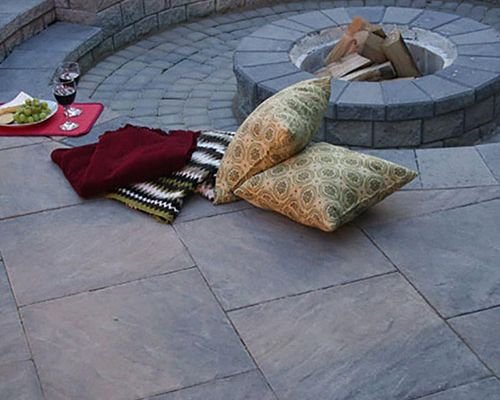
Embracing Sustainability and Innovation for Future-Ready Yards
Looking ahead, the landscape of outdoor yard transformations in Toronto will increasingly emphasize sustainability alongside beauty. Homeowners are becoming more conscious of their ecological footprint, pushing landscape professionals to adopt eco-friendly practices like native plantings, water-efficient technologies, and recycled materials. These choices not only reduce resource consumption but also create landscapes that are resilient to the city’s shifting climate patterns. Innovations such as smart irrigation systems, solar lighting, and automation will become commonplace, making maintenance easier while conserving energy and water.
Personalization will drive future designs, as homeowners seek outdoor spaces that truly reflect their lifestyles and values. Whether it’s a cozy fire pit area, an outdoor kitchen, or a wellness corner, tailored features will become more sophisticated and integrated. This desire for customization encourages designers to explore new materials, modular features, and innovative plant combinations that support both aesthetic appeal and ecological health. The result will be outdoor retreats that are uniquely suited to individual needs, combining form and function seamlessly.
Sustainability will transition from a niche consideration to a fundamental aspect of landscape design. Native plants will remain central, supporting local ecosystems and requiring minimal intervention. Water-saving features like rain gardens and drip irrigation will become standard, helping manage stormwater and reduce waste. Recycled and biodegradable materials will replace traditional hardscapes, further lowering the environmental impact. These practices will ensure that Toronto yards stay vibrant and functional despite climate uncertainties, providing long-term value and ecological benefits.
Education and collaboration will be vital in shaping this future. When homeowners understand the benefits of native plants, sustainable materials, and water conservation, they are more likely to embrace these practices. Open dialogue between clients and designers fosters landscapes that are both environmentally responsible and personally meaningful. This shared commitment will lead to outdoor spaces that not only look stunning but also support broader ecological goals, creating a city-wide movement toward greener, more resilient yards.
Technological advancements will continue to revolutionize outdoor design. Smart systems for lighting, irrigation, and climate control will streamline maintenance and optimize resource use. These tools will empower homeowners to manage their landscapes more efficiently, ensuring lush, healthy yards with less effort and waste. As these innovations become more accessible, they will inspire new creative approaches—like vertical gardens, modular structures, and eco-friendly sculptures—that push traditional boundaries. Ultimately, the future of Toronto yards lies in balancing innovation, sustainability, and personal expression, crafting outdoor retreats that are as functional as they are beautiful, now and for generations to come.