In an era dominated by digital distractions, the timeless act of gardening emerges as a powerful tool for deepening human connections and fostering emotional healing. Could tending to a shared garden unlock bonds that weather the noise of modern life? This compelling exploration reveals how working side by side in soil nurtures trust, patience, and mutual reliance, transforming simple acts like planting and watering into meaningful rituals of love and cooperation. Beyond the physical benefits—stress reduction, mood elevation, and resilience—gardening offers a sanctuary where honest conversations flourish and relationships grow stronger. As communities embrace green spaces and digital innovations expand access, the future of gardening promises to be a universal pathway to connection, well-being, and collective healing. Isn’t it time we rediscover the profound power of nurturing life—both in plants and in each other—for a more resilient and bonded world?

Reconnect and Heal Through the Quiet Power of Gardening
In today’s digital world, it’s easy to feel disconnected despite constant online interactions. We scroll through social media, send quick messages, and check notifications, but meaningful face-to-face connections often slip away. Amid this noise, gardening offers a quiet, timeless way to reconnect—both with others and ourselves. When people work side by side in the soil, they tap into something deeply rooted in human nature: trust, patience, and shared effort. Gardening becomes more than just planting; it’s an act of caring that nurtures bonds and fosters emotional healing.
Many of us crave genuine connection but find it hard to carve out space in our busy routines. Digital interactions can feel superficial, missing the depth that comes from physical presence and shared effort. Gardening provides a natural remedy, encouraging us to slow down, be present, and focus on something tangible. Working together to nurture plants creates opportunities for honest conversations and mutual reliance, helping to rebuild trust and deepen relationships that might have become strained.
The act of tending a garden is inherently restorative. Digging into the earth, planting seeds, watering, and watching life emerge can soothe the mind and reduce stress. When done with others, these activities amplify the benefits, fostering teamwork and emotional closeness. Caring for something alive in the soil becomes a powerful metaphor for nurturing relationships—highlighting patience, effort, and consistency as essential ingredients for growth, both in plants and in people.
Gardening also boosts mental health through physical activity and connection with nature. Simple tasks like watering or pruning release endorphins, lifting mood and energy. Exposure to sunlight and fresh air enhances feelings of well-being and resilience. Time spent in green spaces lowers stress hormones and promotes calmness, especially when shared. These shared moments in nature create a safe space away from screens, where honest interaction and connection can flourish.
In essence, tending a garden together reminds us that patience and effort are the roots of trust and understanding. It’s a quiet act that nurtures emotional bonds while cultivating a sense of peace and purpose. Whether in a backyard or a community plot, gardening as a shared activity offers a simple yet powerful way to slow down, connect deeply, and build relationships that last beyond the garden itself.
Harness Nature’s Healing Touch to Boost Mental and Emotional Well-Being
Engaging with nature through gardening offers profound mental and emotional benefits that extend beyond the simple act of tending plants. Spending time outdoors, especially in the presence of greenery, helps lower stress levels and boosts mood. The tactile experience of soil, the fragrance of flowers, and the sight of sprouts emerging serve as natural calming agents, helping to quiet an overactive mind and ease feelings of anxiety or depression.
Gardening fosters a sense of achievement and purpose. Watching a tiny seed transform into a flourishing plant provides tangible proof of progress, which can reinforce self-esteem and feelings of competence. Sharing these milestones with others deepens this sense of accomplishment, strengthening emotional bonds and encouraging trust. The act of nurturing life together creates a shared experience that is both motivating and reassuring.
Physical activity is a key component of gardening’s mental health benefits. Simple movements like digging, watering, and pruning release endorphins—the body’s natural mood lifters. Being outdoors exposes us to sunlight, which helps produce vitamin D, essential for mood regulation and overall well-being. The combination of movement, natural light, and fresh air creates an environment that naturally enhances resilience and emotional stability.
Research consistently shows that green spaces help reduce cortisol, the hormone associated with stress. Time spent in nature quiets a restless mind, making it easier to process emotions and handle life’s challenges. For many, gardening becomes a form of outdoor therapy—a safe space to reflect, recover, and find calm amid chaos. Connecting with the natural world encourages a mindfulness that promotes emotional healing and fosters a sense of inner balance.
Beyond individual benefits, shared gardening activities cultivate trust and cooperation. Working side by side to tend plants nurtures patience, hope, and mutual reliance—qualities that transfer to personal relationships outside the garden. The physical act of caring for living things becomes a metaphor for nurturing relationships, emphasizing that growth takes time and effort. These shared efforts reinforce emotional bonds and cultivate a sense of community.
Ultimately, gardening offers a gentle yet powerful pathway to emotional resilience. It reminds us that healing and growth are ongoing processes rooted in patience, care, and connection. As we nurture plants, we also nurture ourselves, developing a deeper understanding of patience, responsibility, and compassion. Engaging with nature in this way becomes a meaningful act of self-care and relational strengthening, helping us find stability and joy in the natural rhythm of growth.
Turn Gardening into a Simple Routine for Stronger Emotional Connections
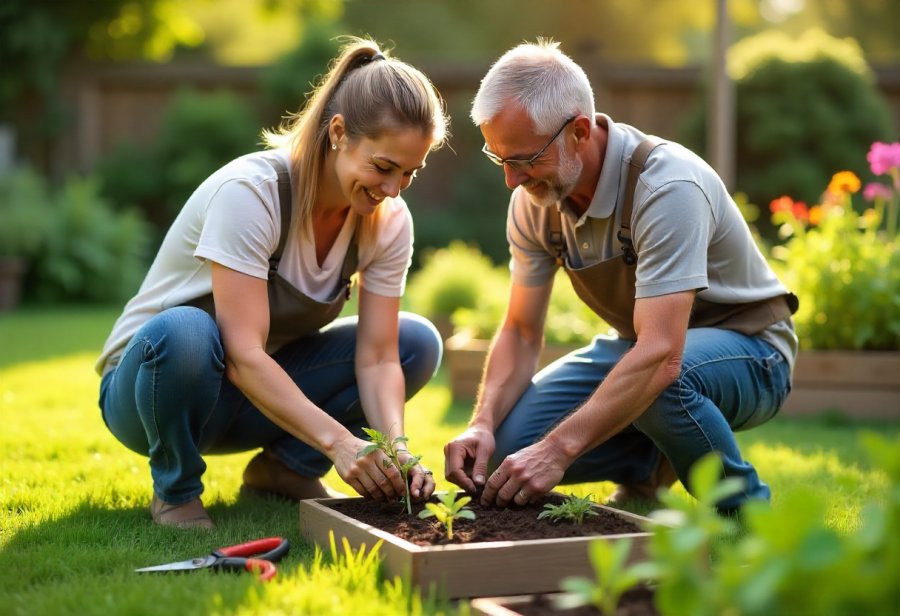
Starting a shared gardening project doesn’t have to be complicated or overwhelming. The key is to keep it simple by choosing a space everyone can access easily—whether that’s a backyard, balcony, or community garden plot. Involving everyone early on in deciding what to grow helps foster a sense of ownership from the start. Opt for easy-to-care-for plants like herbs, flowers, or simple vegetables; these choices boost confidence and keep the experience enjoyable, especially for beginners.
Once you’ve set your plan, establish a routine for tending the garden together. Whether it’s weekly or biweekly, regular scheduled sessions turn gardening into a shared ritual. This consistency transforms what might be seen as a chore into a meaningful activity that everyone looks forward to. The focus should be on participation and enjoyment, not perfection—creating a relaxed environment where effort and presence matter more than a pristine garden.
Clear communication is essential to maintaining motivation and connection. Share updates about plant progress, discuss any challenges, and celebrate small successes—like the first sprout or a blossom. These conversations build trust and deepen bonds. If plans need to shift due to weather or schedules, adapt without stress, keeping the mood light and inclusive. The goal is to make gardening a welcoming activity where everyone feels comfortable contributing.
Involving each person in decision-making from the start encourages a shared sense of responsibility. When everyone has a say in what’s planted or how the garden is organized, they’re more likely to put effort into the project. This teamwork nurtures mutual trust and strengthens relationships. As the garden grows, so do the connections—built on cooperation, shared effort, and collective care.
Celebrating small milestones along the way keeps motivation high. Planting the first seed, seeing the first sprout, or harvesting vegetables become moments of collective achievement. Routine tasks like watering, pruning, and harvesting aren’t just chores—they’re opportunities to nurture patience, trust, and a sense of community. Over time, these simple acts evolve into routines that reinforce emotional bonds and foster a supportive environment rooted in care and mutual growth.
Build Deeper Bonds by Starting and Nurturing Shared Gardens
Getting a shared gardening project underway doesn’t need to be complicated. Start by selecting a space everyone can easily access, whether it’s a backyard, balcony, or community garden plot. Keep things simple by involving everyone in choosing what to grow, which fosters a sense of ownership from the start. Picking easy-to-care-for plants like herbs, flowers, or vegetables makes the process approachable and rewarding, especially for beginners.
Once your plan is in place, establish a regular routine for tending the garden together. Whether it’s weekly or every other weekend, consistent sessions turn gardening into a meaningful ritual. This routine helps transform what could be seen as a chore into an activity everyone looks forward to. Focus on participation and shared enjoyment rather than perfection, creating an environment where effort and presence matter more than a pristine garden.
Clear communication keeps everyone motivated and connected. Share updates about how plants are doing, celebrate small wins like the first sprout or bloom, and discuss any challenges openly. When plans need to change because of weather or schedules, adapt without stress, keeping the atmosphere relaxed and inclusive. The goal is to make gardening an activity that feels welcoming and rewarding for all involved.
Involving everyone in decision-making from the start strengthens the sense of collective responsibility. When each person has a say in what’s planted or how the garden is organized, they’re more invested and likely to put effort into its success. This teamwork nurtures trust and cooperation, turning the garden into a shared space of mutual effort and growth.
As the garden flourishes, celebrate those small milestones together. Whether planting the first seed, seeing the first sprout, or harvesting vegetables, these moments become opportunities for shared pride. Routine tasks like watering, pruning, and harvesting aren’t just chores—they’re chances to nurture patience, trust, and community. Over time, these simple acts weave into routines that strengthen emotional bonds and deepen a sense of collective care, making the garden a true reflection of the relationships it helps cultivate.
Envision a Future Where Gardening Cultivates Healing, Connection, and Hope
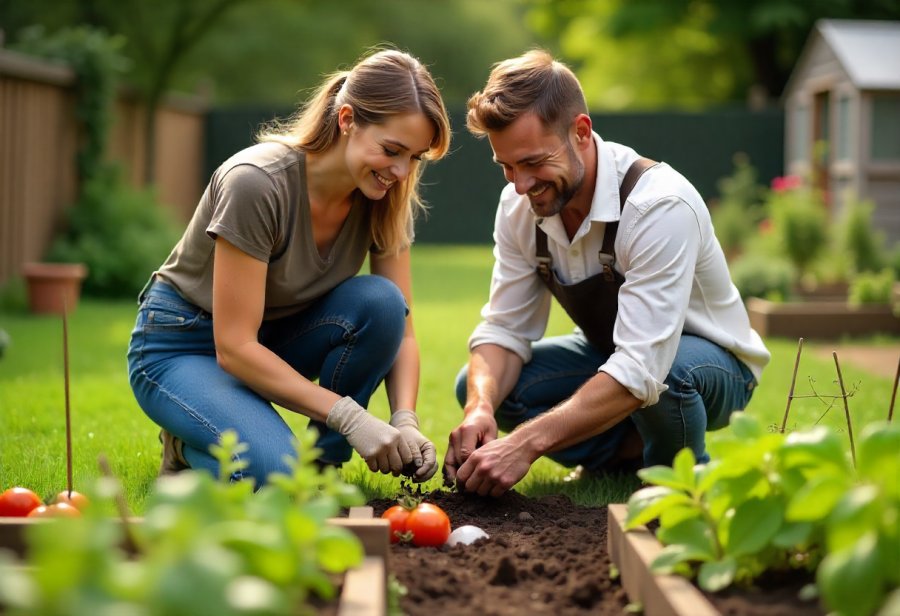
The future of gardening as a tool for building stronger bonds and fostering healing appears brighter than ever. As communities and individuals seek meaningful ways to reconnect amid a world increasingly dominated by screens, gardening offers a simple, accessible activity that transcends barriers. Its ability to create shared spaces for social cohesion and emotional resilience makes it an invaluable resource in diverse settings—from urban neighborhoods to rural communities, and even small balcony gardens. Growing awareness of mental health’s importance is driving more programs to incorporate gardening into therapy, education, and community development, recognizing its power to generate lasting positive change.
Technological advances are expanding the ways we engage with plants and nature. Virtual gardening communities, online workshops, and remote collaboration tools enable people from different backgrounds or locations to share experiences and learn from one another. These innovations make gardening more inclusive, especially for those with limited mobility or access to outdoor space, helping bridge gaps and foster a sense of collective effort that crosses physical boundaries. Such digital integration amplifies the healing potential of gardening, making it a universally accessible activity that nurtures emotional bonds across the globe.
Urban greening initiatives and community gardens are transforming cityscapes into vibrant hubs of cooperation and trust. When people come together to nurture shared green spaces, they reinforce the idea that caring for the land and caring for each other are interconnected acts. These projects not only improve the environment but also cultivate a sense of belonging, resilience, and shared responsibility. As more cities recognize the value of integrating nature into daily life, gardening becomes a vital tool for strengthening social fabric and fostering community well-being.
The expanding role of gardening in healthcare and social programs underscores its relevance for emotional healing. From hospital healing gardens to school-based projects, tending to plants is increasingly viewed as a form of outdoor therapy. It supports emotional recovery, reduces anxiety, and builds resilience by encouraging patience and responsibility. As research continues to highlight these benefits, we can expect gardening to become an even more integral part of holistic approaches to mental health—helping people find calm, purpose, and connection in the natural world.
Looking ahead, the potential for gardening to serve as a universal act of connection and healing grows stronger. Its simplicity and adaptability make it suitable for all ages and environments, fostering a sense of hope and shared growth. As awareness deepens and new innovations emerge, gardening can evolve beyond individual plots into a collective movement that nurtures both the land and human relationships. This ongoing shift underscores a vital truth: tending to life, whether in soil or in relationships, requires patience, effort, and care—values that ultimately help us grow stronger together.
In embracing gardening as a pathway to emotional well-being and community strength, we plant seeds for a more connected future. Each act of nurturing a plant becomes a metaphor for cultivating trust, patience, and compassion. As we look to the horizon, the enduring power of gardening lies in its ability to remind us that growth takes time—yet the rewards, in deepened bonds and renewed hope, are well worth every moment spent tending the soil and each other.