Learning to ride a bike is a timeless milestone that embodies courage, independence, and family bonds. From wobbling beginnings to triumphant rides, each fall and recovery teaches resilience, while shared family moments transform the challenge into lasting memories. But as equipment and teaching methods evolve—from balance bikes to digital tools—do these innovations enhance or overshadow the core joys of perseverance and support? This journey is more than physical mastery; it’s about nurturing confidence, facing fears, and celebrating small victories that shape a child’s self-esteem. As technology advances and inclusivity efforts grow, the future promises safer, more accessible, and engaging ways for children to embrace cycling. Yet, challenges remain—ensuring every child can experience the thrill of independence on two wheels. Could the balance of tradition and innovation unlock even greater freedom for the next generation of young explorers?
Celebrating the Milestone: Teaching Kids to Ride and Embrace Independence
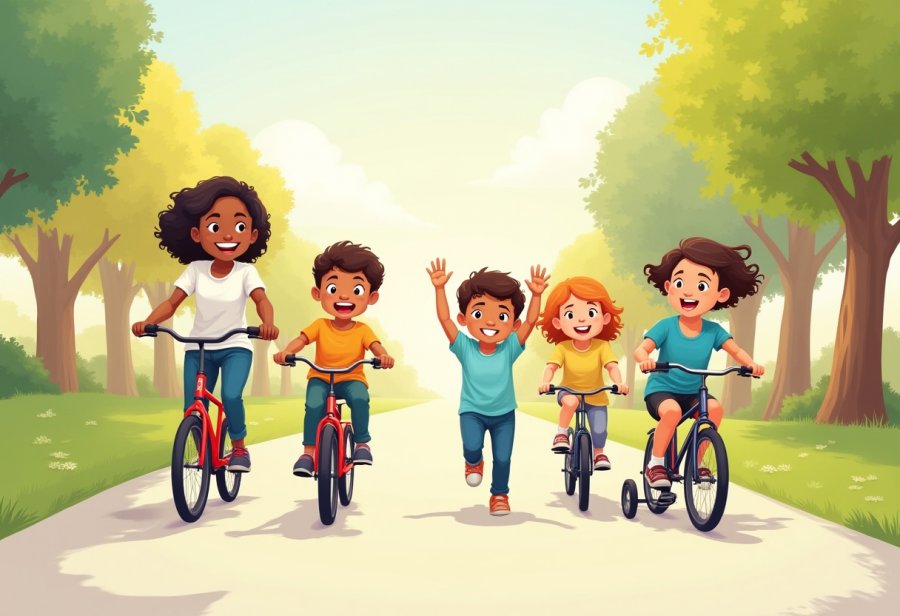
Learning to ride a bike is a milestone that stays with us long after the training wheels come off. For children, it’s more than just mastering pedals and balance; it’s a rite of passage into independence and self-confidence. Those first wobbly attempts can be a mix of excitement and nerves, but they mark a pivotal step in a child’s growth. When kids finally find their rhythm and glide forward on their own, it’s a moment filled with pride—not just for them, but for everyone watching.
This process often becomes a shared family experience, filled with supportive cheers and gentle guidance. Parents and caregivers play a crucial role in turning a potentially daunting challenge into a joyful adventure. Creating a safe, open space allows children to focus on the fun of learning without the fear of falling. Celebrating small victories, like pedaling a few feet or balancing without wobbling, helps build their confidence and resilience. These moments of progress foster a sense of achievement that extends well beyond the bike.
Beyond the physical skill, learning to ride a bike teaches valuable life lessons. It encourages kids to face their fears, persevere through setbacks, and trust in their own abilities. Every fall becomes a stepping stone, and every successful ride a boost to self-esteem. These experiences, often shared in laughter and encouragement, deepen family bonds and create lasting memories. They remind us that growth isn’t just about the end goal but about embracing the journey with patience and support.
The significance of this milestone reaches into emotional development as well. Successfully riding a bike gives children a sense of autonomy, making them feel brave and capable. It opens doors to outdoor adventures, new friendships, and a curiosity about exploring the world around them. Watching a child pedal confidently for the first time isn’t just a proud moment; it’s a celebration of resilience, independence, and the joy of discovery.
In the end, teaching a child to ride a bike is about more than physical coordination. It’s an opportunity to nurture courage, foster perseverance, and create shared moments of triumph. Those early rides—wobbles, falls, and all—lay the foundation for a confident, adventurous spirit. It’s a journey worth every wobble, because it’s a step toward a lifetime of independence and joy on two wheels.
Evolving Minds and Wheels: The Psychological Journey of Childhood Cycling
Children’s experiences with cycling have changed dramatically over the years, mirroring advances in bike design and shifts in how parents and instructors approach teaching kids to ride. In earlier days, learning often meant trial and error, with children relying on heavy, simple bikes and minimal guidance. Kids would wobble, fall, and get back up, learning resilience through perseverance. Today, lightweight balance bikes and training wheels make the process safer and more approachable, allowing children to focus on developing balance before tackling pedaling, which reduces frustration and boosts confidence early on.
Psychologically, riding a bike has long been seen as a symbol of independence and courage. Mastering balance and pedaling signals a leap into self-reliance, giving children a sense of achievement that fuels their confidence. Overcoming the fear of falling teaches resilience, encouraging kids to get back up and try again. These victories aren’t just about physical skills—they shape how children view themselves as capable and brave, fostering a positive attitude toward future challenges.
Child development also influences how easily kids learn to ride. Motor skills, balance, and coordination develop gradually through activities like crawling, walking, and running. By around ages three to five, children’s vestibular and proprioceptive systems, responsible for spatial awareness and body control, are maturing. Recognizing these stages helps parents and instructors choose the right approach, making learning smoother and more successful. When teaching aligns with developmental readiness, children feel more empowered and less overwhelmed.
The emotional impact of learning to ride extends beyond physical mastery. Successfully riding alone boosts a child’s self-esteem and sense of independence. It often leads to a feeling of pride that spills over into other areas of life—trying new activities, facing new challenges, and exploring confidently. Sharing these milestones with family creates moments of celebration that strengthen bonds and foster a sense of support. This emotional growth builds resilience and a willingness to embrace new adventures.
As teaching methods have evolved, so too has the emphasis on supportive, step-by-step techniques—using balance bikes, training wheels, or tandem rides. These approaches prioritize safety, patience, and gradual mastery, allowing children to conquer each stage at their own pace. However, challenges such as unequal access to safe environments and quality equipment remain. Overcoming these barriers is essential to ensuring every child can experience the joy and independence that come with riding.
Despite technological and methodological progress, some children still feel anxious about falling or losing control, especially without proper guidance or encouragement. Addressing these concerns requires ongoing efforts to make cycling safer and more inclusive. Recognizing each child’s unique needs and providing personalized support helps make learning both accessible and enjoyable. When children feel safe and supported, their confidence grows, turning the learning process into a positive, empowering experience.
Ultimately, the evolution of childhood cycling highlights how physical development and emotional growth intertwine. From trial-and-error beginnings to thoughtfully supported milestones, the journey reflects a broader shift toward nurturing resilience, confidence, and independence. Understanding this progression underscores why learning to ride isn’t just about pedals—it’s about empowering children to explore the world on their own two wheels, ready to face whatever comes next.
Step-by-Step Success: Practical Tips for Teaching Kids to Ride
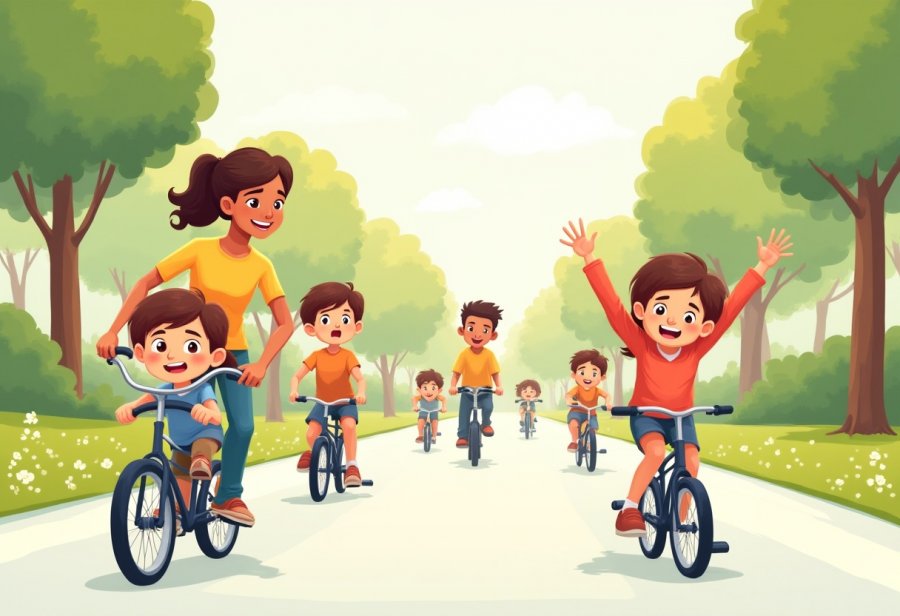
Teaching kids to ride a bike starts with setting up a safe and inviting environment. Find a flat, open space like a park, a quiet parking lot, or a designated bike path, free from traffic and obstacles. Such areas help children focus on balancing and pedaling without feeling overwhelmed. Soft surfaces like grass can cushion falls, but paved surfaces provide more stability, making the learning process smoother. A spacious, hazard-free zone encourages confidence and keeps practice fun.
Choosing the right equipment is crucial. Balance bikes are excellent for building core stability and coordination before introducing pedals. Once children are comfortable balancing, transition gradually to bikes with training wheels or remove pedals slowly. An appropriately sized bike with an adjustable seat allows kids to feel secure and in control. When children are comfortable and secure on their bikes, they’re more willing to take risks and try new skills.
Break the learning process into small, manageable steps. Start with simple balance exercises—walking alongside the bike, then gliding or scooting to get used to controlling movement. After that, introduce pedaling in short, encouraging sessions. Patience is essential; every child learns at their own pace. Celebrate small wins, like staying upright for a few seconds or pedaling a short distance, to boost motivation and confidence. Rushing can cause frustration, so let progress happen naturally.
Positive reinforcement makes a big difference. Cheer for every effort, whether they wobble or ride smoothly. Focus on effort and persistence rather than perfection, and reassure children that falls and mistakes are part of learning. Gentle guidance helps, but children learn best when they’re allowed to explore, experiment, and find their balance on their own. This approach fosters resilience and a love for riding.
Turning practice into a game or challenge keeps children engaged. Use fun milestones, like riding to a specific tree or balancing along a line. Let kids pick the route or take breaks when needed. When cycling feels like fun, children are more likely to stay motivated and enjoy the process. Building this positive attitude helps them push through obstacles and develop a lifelong love for cycling.
As skills improve, introduce slight variations—different surfaces, gentle inclines, or longer rides—to build confidence gradually. Keep sessions short and upbeat, emphasizing steady progress over speed. Remember that falls and wobbling are part of the journey; support your child with patience and encouragement. This nurturing environment helps them develop resilience, independence, and a sense of achievement.
The key to successful teaching is patience and support. Celebrate each small victory—whether it’s balancing longer or pedaling further—and avoid rushing. Every wobble and fall is an opportunity to learn and grow. By creating a safe, encouraging space, you help your child build not only cycling skills but also a confident, adventurous spirit that will carry them through many more challenges ahead.
Shared Journeys: Real-Life Stories of Learning, Falling, and Growing
Many families have stories that highlight both the challenges and the rewards of teaching kids to ride a bike. Parents often recall those first wobbly attempts—standing beside their child, offering steadying hands and feeling a mix of nerves and pride. These moments show that patience and support are essential, transforming what can seem like a daunting task into a shared adventure filled with laughter and learning.
Humorous and heartfelt moments frequently fill these journeys. Kids wobble, fall, and get back up, often giggling through scraped knees and wobbly rides. These setbacks become family stories that emphasize resilience, teaching children that falling is just part of learning. As they start to find their balance, their smiles grow broader, and their eagerness to try again increases. Celebrating small victories, like pedaling a few feet or riding without wobbling, reinforces that progress comes through effort, not perfection.
Family outings often turn into bonding experiences centered around cycling. One family describes a weekend trip to the park where their child, after weeks of practice, finally rode along a winding trail on their own. That moment of independence was met with cheers and hugs, becoming a symbol of perseverance and teamwork. These shared experiences deepen trust and support, turning learning to ride into a foundation for emotional connection.
Children who learn to ride also show noticeable changes in confidence and happiness. Many start to see themselves as capable and brave, eager to explore new places and take on challenges beyond cycling. Parents observe more smiles, increased willingness to try new activities, and a positive attitude that extends into other areas of life. The joy of overcoming fears and mastering a skill leaves a lasting impression, shaping their approach to future challenges with resilience.
The diversity of family stories demonstrates that there’s no one “right” way to teach a child to ride. Some respond well to balance bikes, focusing on stability before adding pedals. Others thrive with training wheels or tandem rides, where a parent guides them. Recognizing each child’s unique needs and pace helps make learning smoother and more enjoyable. These personal touches turn what can be a stressful process into a rewarding experience for everyone involved.
These real-life moments remind us that teaching a child to ride is about more than just physical skills. It’s about nurturing courage, patience, and joy. The shared laughs, falls, and triumphant rides create memories that last for years. Every wobble and smile helps build a foundation of confidence, encouraging children to grow into resilient, adventurous individuals eager to explore the world on their own two wheels.
Riding into the Future: Innovations, Challenges, and Opportunities for Young Cyclists
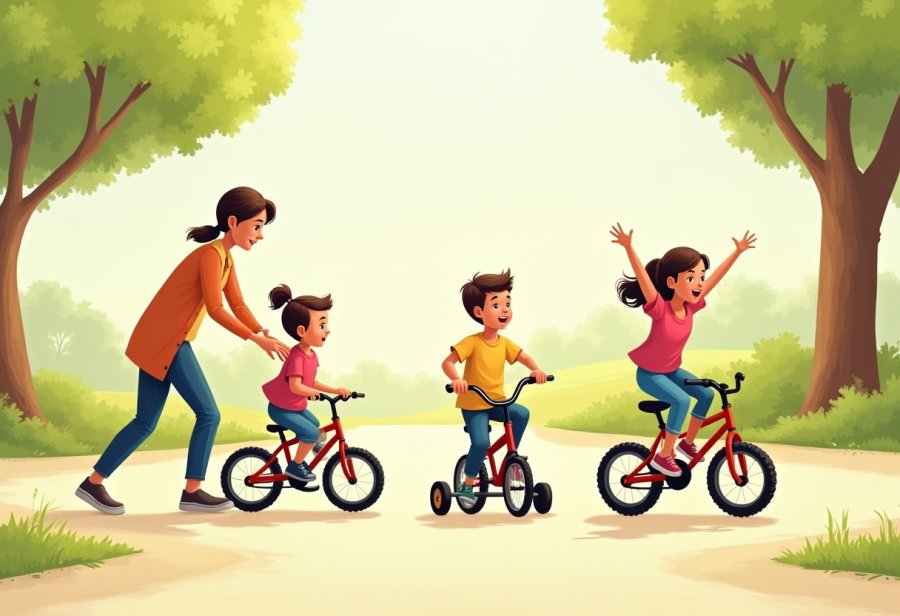
Looking ahead, the way children learn to ride bikes is set to change with a mix of innovative technology and a renewed focus on inclusivity. Digital tools like interactive apps and virtual reality are transforming practice into engaging games, providing instant feedback and motivation. These advancements make learning more fun, especially for kids who might be hesitant or easily distracted, helping them stay interested and confident from the start.
Bike design is also evolving rapidly. Lightweight, easy-to-handle bikes with built-in safety features and smart sensors are becoming more common. These bikes can monitor a child’s balance, speed, and control, giving parents and instructors valuable insights to tailor their coaching. Not only does this increase safety, but it also encourages independence, allowing kids to develop their skills with confidence from an early age.
Despite these exciting trends, challenges remain. Not all children have equal access to quality equipment or safe riding spaces, which can slow down or limit learning opportunities. Building more community bike paths and traffic-calmed zones is essential to making cycling accessible for everyone. Additionally, some kids still prefer traditional methods or need extra reassurance, which means technology should complement and enhance personal support rather than replace it.
Balancing high-tech solutions with simple, family-centered approaches is key. While gadgets and apps can boost motivation, the core joy of learning to ride comes from patience, small successes, and outdoor exploration. The emphasis should stay on fostering a love for riding, not just on digital achievements. Supporting children through encouragement and shared outdoor adventures makes the experience memorable and meaningful.
Looking further into the future, the goal is to cultivate a new generation of confident, independent cyclists who see riding as both fun and empowering. Creating welcoming environments, offering inclusive programs, and promoting safe spaces will help more kids overcome fears and discover the freedom of cycling. These efforts can turn learning into a lifelong passion, inspiring many to explore the world on two wheels.
As these developments unfold, they will also influence how we think about outdoor play and transportation for children. Ensuring every child has the chance to ride safely and joyfully is vital. The future of learning to ride isn’t just about new gadgets; it’s about building a supportive culture that encourages exploration, resilience, and independence.
In the end, embracing innovation while preserving the timeless values of patience and support will help children turn their first wobble into a lifelong love of cycling. By making riding more accessible, safe, and fun, we lay the groundwork for confident explorers ready to embrace new adventures on two wheels. This evolving landscape promises to make learning to ride more inclusive and inspiring for generations to come.