In a rapidly evolving digital landscape, customized telephony solutions are transforming business communication from a basic support function into a strategic advantage. Imagine tailoring every call, feature, and device to fit your unique workflows—streamlining operations, enhancing customer experience, and supporting growth seamlessly. Yet, how many organizations fully leverage the advanced capabilities of modern devices like Grandstream’s IP phones, equipped with programmable keys, Bluetooth, Wi-Fi, and cloud management platforms? The history of telephony reveals a trajectory from tangled wires to dynamic, intelligent systems powered by IP, AI, IoT, and 5G. As technology continues to accelerate, the question remains: are you harnessing the full potential of these innovations to create a resilient, scalable, and personalized communication environment? Embracing these advancements not only boosts operational efficiency but also positions your organization ahead in a competitive, interconnected world.
Transform Business Communication with Customized Telephony Solutions
In today’s fast-moving business landscape, effective communication isn’t just a convenience—it’s a necessity. Customized telephony systems allow organizations to tailor their phone setups to fit their unique workflows, priorities, and growth plans. Instead of relying on one-size-fits-all solutions, companies can optimize call routing, voicemail options, and conferencing features to enhance internal efficiency and improve customer interactions. This personalized approach helps reduce misunderstandings, speeds up decision-making, and creates a more seamless communication experience for everyone involved.
These systems are designed to grow alongside your business. As your organization expands or shifts focus, your telephony infrastructure can evolve without the need for costly upgrades or disruptive replacements. Integrating with digital tools like CRM platforms and supporting remote or hybrid work models ensures your communication channels remain flexible and responsive. Tailored solutions like these keep your team connected, no matter where they’re working from, and ensure that your communication remains aligned with your operational goals.
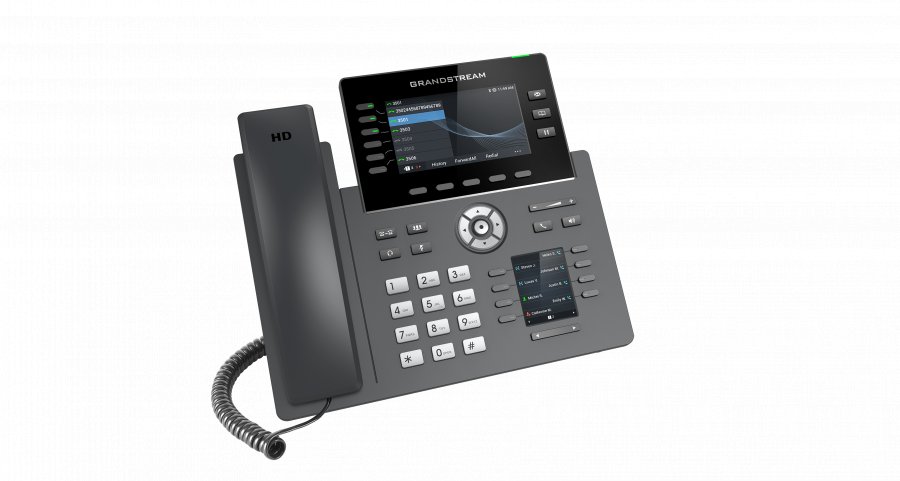
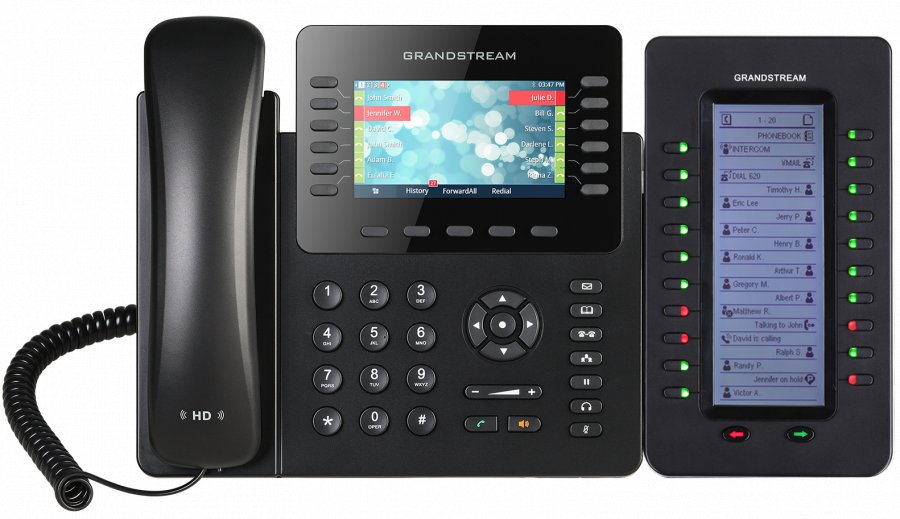
Take Grandstream’s IP phones as an example. Their programmability supports extensive customization—speed dials, soft keys, and role-specific workflows make daily tasks more efficient. Features like Bluetooth, Wi-Fi, and USB ports simplify device management and connectivity, streamlining routines and reducing downtime. Cloud management platforms such as GDMS further facilitate deployment and ongoing maintenance, whether you’re managing a small office or a large enterprise. These tools demonstrate how customization isn’t just practical—it’s a strategic advantage that can transform your business communication.
Investing in tailored telephony solutions also enhances the user experience. Employees spend less time troubleshooting or navigating complex systems and more time focusing on their core responsibilities. Customers benefit from faster, more direct communication channels that feel personal and responsive. This combination of efficiency and satisfaction strengthens relationships, builds loyalty, and ultimately drives business growth. When technology aligns with your needs, it turns communication from a support function into a powerful tool for strategic success.
In essence, customized telephony solutions are reshaping how businesses connect internally and externally. They lay the foundation for more coherent, scalable, and responsive communication networks. As technology continues to advance, embracing these tailored systems becomes essential for staying competitive, boosting operational efficiency, and delivering better experiences for employees and clients alike.
Tracing the Evolution of Telephony from Landlines to IP Systems
Telephony technology has come a long way from its humble beginnings, evolving through several key phases that laid the groundwork for today’s sophisticated, customizable systems. In the early days, communication relied heavily on analog landlines and manual switchboards, which were slow, costly, and limited in functionality. Managing calls often meant dealing with tangled wires and human operators, making quick, reliable connections a challenge. These primitive setups lacked features we now consider essential, such as call forwarding, conferencing, and voicemail, highlighting just how much the technology has advanced.
The shift to digital systems marked a significant leap forward. Digital telephony improved sound quality and reliability while enabling more complex routing and management features. As digital infrastructure matured, organizations began to realize the potential for more flexible and scalable solutions. This transition set the stage for the integration of voice data over computer networks, opening doors to innovations that would redefine business communication.
The real game-changer arrived with the advent of Internet Protocol (IP) telephony. IP systems convert voice into digital packets, transmitted over the internet rather than traditional copper lines. This shift not only drastically reduced costs but also unlocked a new level of customization. Companies could now tailor their phone setups with features like auto-attendants, call queues, and seamless integration with other digital tools such as customer relationship management (CRM) platforms. This flexibility allowed organizations to create communication environments that fit their exact needs, rather than forcing them into rigid, predefined packages.
As IP telephony gained popularity, hardware manufacturers responded by developing solutions designed for easy management and deployment. Cloud-based platforms like Grandstream’s GDMS made it possible to configure, monitor, and update devices remotely across multiple locations. This central control significantly reduced maintenance costs and minimized downtime. Hardware innovations, including programmable IP phones with soft keys, Bluetooth, and Wi-Fi capabilities, further enhanced customization options, enabling businesses to optimize workflows and improve user experience.
The rise of unified communications platforms marked another major milestone. Voice, video, messaging, and conferencing functions merged into single, integrated solutions, supporting the increasingly remote and hybrid work models. Softphones—software-based phones on desktops and mobile devices—added mobility, allowing workers to stay connected from anywhere. This evolution reflected a broader industry shift toward more interconnected, flexible, and user-centric communication systems.
Looking ahead, emerging technologies like AI, IoT, and 5G promise to propel telephony into a new era. Smarter call routing, real-time language translation, and more reliable, high-speed connections will make communication more natural and tailored. Devices will become increasingly interconnected, creating intelligent ecosystems that adapt dynamically to operational needs. These innovations will enable organizations to craft highly personalized, scalable communication environments that support growth and resilience in a rapidly changing digital landscape.

Modern Enterprise Communication: Standards, Attitudes, and Innovations
Modern business communication has shifted dramatically toward more flexible, integrated, and cloud-based solutions. Today’s companies depend heavily on IP-based systems, especially VoIP, to support remote work, global collaboration, and real-time information sharing. These platforms enable teams to communicate seamlessly across locations through unified interfaces that combine voice, video, messaging, and conferencing. This integration simplifies workflows, reduces the need for multiple tools, and boosts productivity by keeping all communication channels in one accessible space.
The standards shaping enterprise communication have evolved to prioritize user experience, security, and scalability. Cloud management platforms like Grandstream’s GDMS give IT teams centralized control, allowing remote configuration, monitoring, and updates. This approach not only streamlines deployment but also enhances security through quick patching and consistent policy enforcement across devices. Softphones—software-based phones on computers and mobile devices—support flexible working arrangements, empowering employees to stay connected from anywhere with reliable internet.
Attitudes toward communication now focus on making tools intuitive for users. Features like customizable soft keys, quick access to frequent contacts, and role-based permissions help employees interact with systems designed around their needs. Customers expect quick, responsive, and personal interactions, which makes reliable, well-integrated communication systems essential for maintaining high service standards and satisfaction levels.
Advancements like AI integration and smarter call routing are transforming customer interactions. Automated virtual assistants handle routine inquiries, freeing up human agents for complex issues. Meanwhile, real-time analytics and intelligent routing improve responsiveness and personalization. These innovations set new benchmarks for operational efficiency and customer experience, enabling organizations to adapt quickly to changing demands.
While these technological shifts offer significant benefits, they come with challenges such as data security risks and compatibility issues across diverse devices and platforms. Organizations must balance innovation with careful planning, including strong security measures and thorough testing before deployment. Proper staff training and ongoing support help maximize system utilization and prevent frustrations, turning modern communication tools into strategic assets.
As technology progresses, companies that embrace these trends will build more resilient, scalable, and responsive communication environments. Staying adaptable and open to new solutions ensures they can meet evolving customer expectations and operational needs. This proactive approach positions organizations to leverage the full potential of modern enterprise communication, fostering growth and long-term success in an increasingly digital world.
Real-World Impact: Implementing Tailored Telephony for Business Success
Customized telephony solutions are already making a tangible difference in how businesses operate daily. For retail chains, customized IP phones with programmable buttons allow staff to access customer information, inventory data, or order processing tools instantly. This setup not only speeds up transactions but also enhances the customer experience by reducing wait times and increasing efficiency. In healthcare, tailored communication systems connect departments securely, enabling quick, confidential exchanges of vital information that can impact patient outcomes positively.
Smaller businesses using cloud-managed phones benefit from remote configuration and scalability, allowing them to adapt quickly as they grow. Instead of costly hardware upgrades or complex reconfigurations, they can easily update features and expand their systems from anywhere, ensuring their communication infrastructure keeps pace with their development. Such flexibility supports remote and hybrid work models, keeping teams connected regardless of location.
One clear advantage of these customized setups is optimized call routing. Calls can be directed to the right department or individual without unnecessary transfers or delays, significantly improving customer satisfaction. When integrated with CRM platforms, employees gain immediate access to customer details during calls, making interactions more personalized and effective. This seamless flow enhances internal workflows and fosters stronger client relationships.
Deploying tailored telephony also streamlines internal operations. For example, a regional retail chain configured its phones with dedicated keys linked to inventory and order systems. Staff could quickly access critical data during customer calls, speeding up service and boosting loyalty. Hospitals set up role-specific communication channels that facilitate faster response times and better coordination across departments, directly impacting patient care quality.
However, implementing these systems requires thoughtful planning. Understanding specific organizational needs and selecting compatible hardware and management platforms are essential. Tools like Grandstream’s GDMS enable remote setup, monitoring, and updates, simplifying ongoing management and reducing downtime. Engaging stakeholders early ensures the design aligns with real workflows, which minimizes costly adjustments after deployment.
Training staff on new features is vital for maximizing benefits. Proper education helps prevent underutilization or frustration and ensures employees leverage the full potential of their customized systems. Regular support and updates keep the technology running smoothly and securely, turning a well-planned telephony setup into a strategic asset.
Challenges can arise if planning and execution are rushed or overlooked. Mismatched hardware, insufficient training, or security gaps can undermine the system’s effectiveness. Recognizing these pitfalls and addressing them proactively ensures a smoother transition, delivering the full advantages of tailored communication solutions.
When executed correctly, customized telephony transforms business communication from a basic support function into a powerful tool for growth. It creates a more responsive, efficient, and scalable environment that adapts to operational demands. This strategic approach results in stronger customer relationships, improved internal coordination, and a solid foundation for future expansion, making the most of the innovative devices and management tools available today.
Looking Ahead: Emerging Technologies Shaping the Future of Telephony
The future of telephony is poised to be reshaped by breakthroughs in artificial intelligence, Internet of Things (IoT) integration, and 5G connectivity. These technologies will make communication more intuitive, personalized, and reliable, transforming how businesses connect internally and with customers. AI will power virtual assistants capable of handling routine inquiries, offering smarter call routing and real-time language translation, which will make conversations smoother and more natural regardless of language barriers or emotional cues. This level of automation and responsiveness will free human agents to focus on complex issues, enhancing service quality.
IoT devices will create interconnected ecosystems where telephony seamlessly integrates with other digital systems—think smart building controls, security setups, and workplace automation. This integration will not only streamline operations but also enable data-driven decision-making, allowing organizations to craft highly tailored communication environments. As IoT expands, telephony platforms will become smarter, adapting dynamically to operational needs and providing insights that optimize workflows, improve security, and enhance user experiences.
The rollout of 5G networks promises unprecedented speed and stability, supporting high-quality video calls and real-time collaboration from virtually anywhere. This will break down geographical barriers, making remote and hybrid work more immersive and effective. Next-generation IP phones leveraging 5G will deliver crystal-clear audio and smooth video streams, elevating virtual meetings to a new standard of professionalism. The increased bandwidth and lower latency will also support larger, more complex communication systems, enabling businesses to deploy highly scalable, future-proof solutions without concern for network limitations.
Emerging trends point toward smarter, more adaptable communication platforms that continuously learn and improve. AI-driven analytics will deliver actionable insights into call patterns and customer behavior, helping organizations refine their strategies. IoT-enabled devices will connect telephony with operational systems for enhanced security and automation, creating a truly integrated digital environment. Companies that embrace early adoption of these innovations will gain a competitive edge by delivering more personalized experiences, faster responses, and resilient communications that evolve alongside their business needs.
Looking ahead, adopting these advanced technologies will be essential for organizations seeking to stay agile and innovative. Investing in scalable, cloud-based platforms now ensures seamless integration of future features as they emerge. By fostering a culture of continuous learning and modernization, businesses can turn telephony from a basic communication tool into a strategic asset—driving growth, improving customer engagement, and building resilient operations in a rapidly changing digital world.