Learning to drive is a pivotal step toward independence, filled with both excitement and anxiety. For teens, the journey from nervous beginner to confident driver involves more than mastering skills—it’s about managing emotions, building resilience, and trusting oneself behind the wheel. How can parents and instructors effectively support this transition amid fears about traffic, weather, or complex roads? This guide explores strategies such as structured practice, foundational knowledge, and supportive tools like virtual simulations, emphasizing that setbacks are natural parts of growth. As technology advances with driver assistance systems and personalized learning platforms, the pathway to confidence becomes safer and more engaging. The challenge lies in balancing patience with progress, turning nerves into assurance and hesitation into skill. Ultimately, this process not only shapes responsible drivers but also nurtures life skills of patience, decision-making, and perseverance—preparing teens for a lifetime of confident, safe driving on ever-evolving roads.

Embracing the Journey: Building Teenage Driving Confidence Amidst Emotions
Learning to drive marks a major milestone in a teenager’s journey toward independence. It’s a moment filled with excitement—imagine the freedom of hitting the road, exploring new places, and feeling more in control of your life. But beneath that thrill lies a wave of nerves. For many teens, sitting behind the wheel for the first time can feel overwhelming, sparking self-doubt and anxiety about making mistakes or losing control. These feelings are completely normal and part of the process of growing into a confident driver.
The emotional side of learning to drive is often just as significant as acquiring the technical skills. Fears about unfamiliar roads, traffic, or safety can quickly build, creating hesitation and self-imposed limits. Recognizing that these emotions are natural helps teens understand they aren’t alone—almost everyone experiences nerves when starting out. With patience and support, those initial jitters can gradually transform into a sense of achievement.
Driving isn’t only about knowing the rules; it’s about managing emotions and building resilience. As teens navigate their first drives, they learn to trust their abilities and stay calm under pressure. Celebrating small victories—like smoothly completing a turn or confidently changing lanes—reinforces their confidence. Support from parents, instructors, and peers plays a vital role in encouraging this growth, providing reassurance and acknowledging progress along the way.
It’s also helpful to remember that teenagers are still developing emotionally and cognitively. Their brains are maturing, especially in areas related to decision-making and impulse control. Younger teens might feel more cautious or anxious, while older teens tend to gain better judgment and emotional resilience. Understanding these developmental stages allows mentors to tailor their guidance, helping teens progress at a pace that feels right and preventing them from feeling overwhelmed.
Ultimately, learning to drive is more than just mastering a vehicle—it’s a journey of emotional growth. Teens learn to face their fears, build trust in their skills, and embrace independence. Recognizing these challenges early on helps them see nerves not as a sign of failure, but as a natural part of becoming a responsible, confident driver. With patience and encouragement, those initial fears can turn into lasting confidence that extends beyond simply earning a license.
Laying the Groundwork: Essential Knowledge for Confident Teen Drivers
Learning to drive is about more than just turning the steering wheel and shifting gears—it’s about building a solid foundation of knowledge that fuels a teen’s confidence behind the wheel. When teens understand traffic laws—like speed limits, right-of-way rules, and traffic signals—they feel more in control and capable of handling different situations. Familiarity with these basics reduces uncertainty and helps prevent common mistakes that can shake their confidence. It’s like having a safety net that supports their growing independence on the road.
Equally important are defensive driving skills. Being alert, anticipating what other drivers might do, and recognizing hazards early make a big difference. For example, maintaining a safe following distance or checking mirrors regularly isn’t just good practice—it’s confidence-boosting. When teens learn how to respond calmly to unexpected situations, they’re less likely to panic and more likely to react appropriately, turning stressful moments into manageable challenges.
Many teens worry about driving in tricky conditions like rain, fog, or at night. These fears are normal but can be managed through proper preparation. Gradually practicing in controlled environments, such as empty parking lots or quiet streets, helps them gain familiarity and confidence. As they experience these conditions in safe settings, their anxiety decreases, and they learn that they can handle the road even when visibility is limited or weather is less than ideal.
Making responsible decisions while driving is another cornerstone of confidence. Teens should understand that driving involves choices—like resisting distractions, avoiding peer pressure to speed, or knowing when to pull over if overwhelmed. Developing these habits early not only promotes safety but also fosters a sense of control and maturity. The more they practice making good decisions, the more natural it becomes to stay calm and focused when it matters most.
Consistent practice turns knowledge into skill. Repeating maneuvers like parallel parking or merging helps reduce hesitation and build a sense of mastery. As teens become more comfortable performing these tasks, their confidence grows, especially in complex situations. Recognizing that learning is an ongoing process, not an overnight achievement, encourages patience and persistence. Every drive, no matter how small, adds to their readiness for the road ahead.
Practical Strategies and Support Systems to Empower Nervous Teens on the Road
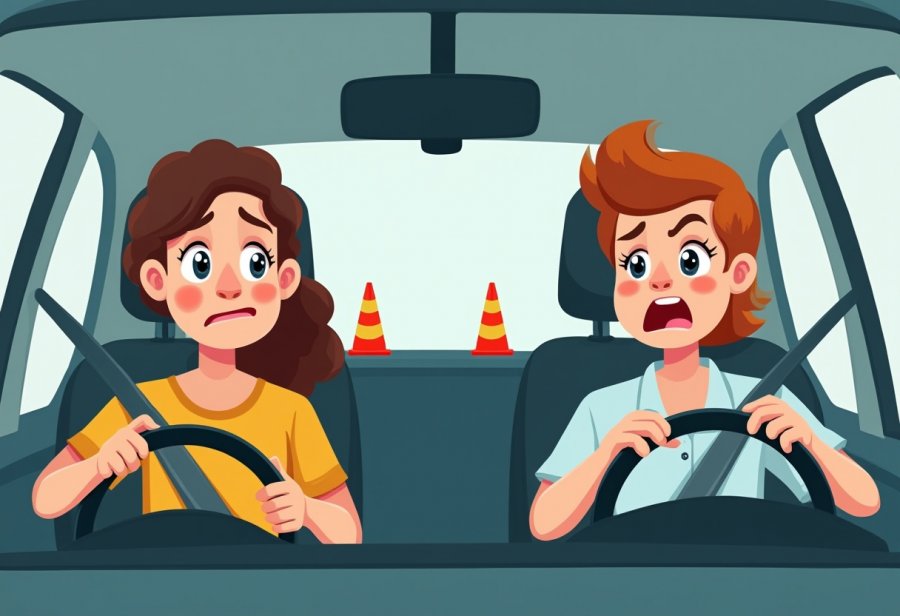
Supporting nervous teens as they learn to drive calls for practical strategies and accessible resources that can make a real difference. Establishing a structured practice schedule helps teens build confidence gradually. Breaking driving sessions into small, manageable steps—starting in quiet neighborhoods or empty parking lots—allows them to get comfortable without feeling overwhelmed. Consistency in practice reinforces progress and helps develop habits that boost self-assurance. Setting clear, achievable goals, like mastering parking or merging onto highways, provides direction and offers regular opportunities for small wins that reinforce their belief in their abilities.
Parents and instructors are vital in creating a calm, encouraging environment. Offering positive feedback after each drive and celebrating even minor successes can significantly boost a teen’s self-esteem. It’s important to listen to their concerns without pressure, helping them feel safe to ask questions and express fears. Using tools like driving apps, online tutorials, or simulation programs can supplement real-world practice, giving teens additional opportunities to learn at their own pace outside of formal lessons. These resources make learning more engaging and help reinforce safety skills in a low-pressure setting.
Peer support also plays a crucial role. Connecting with friends who are also learning to drive normalizes the experience and fosters resilience. Sharing stories of setbacks and successes reduces feelings of isolation and encourages persistence. Support groups or community programs often provide encouragement, practical tips, and reassurance that nerves are a common part of the process. Teaching mental techniques, like deep breathing or mindfulness, during practice can help teens manage anxiety spikes and stay focused, transforming stress into a tool for calmness and clarity.
Gradual exposure remains one of the most effective ways to overcome fear. Starting with short drives in familiar, low-traffic areas and slowly progressing to busier streets helps teens develop a sense of control. As confidence grows, they can take on more complex scenarios, such as night driving or adverse weather conditions. This step-by-step approach minimizes panic and builds resilience, making challenging situations less intimidating. Remembering that setbacks are part of learning helps teens stay motivated and view mistakes as opportunities to improve rather than failures.
Parental anxiety can sometimes hinder progress. Overcoming this involves setting clear expectations and maintaining patience. Parents should focus on steady, consistent practice, emphasizing safety and progress rather than perfection. Reinforcing that confidence develops over time encourages teens to be patient with themselves and persistent through setbacks. Regular exposure to different environments—residential streets, highways, and varied weather—broadens their experience and helps them adapt to diverse driving conditions, gradually reducing fear.
Challenging conditions like bad weather or unfamiliar roads can be particularly daunting for nervous teens. The best approach is to expose them gradually, starting in controlled, calm settings and increasing difficulty only as they demonstrate readiness. Short trips in rain or fog, or during dusk, help build familiarity and reduce anxiety. Celebrating these small steps reinforces their capability and makes future challenges feel more manageable. Patience and ongoing support are key—they turn nerves into confidence, paving the way for safer, more independent driving.
Despite all efforts, setbacks will happen. Maintaining a growth mindset helps teens see mistakes as natural and valuable parts of their journey. Encouragement from parents and instructors to reflect on what was learned, rather than dwelling on errors, keeps motivation high. Consistent practice, combined with reassurance and understanding, transforms nerves into genuine confidence. The right strategies, combined with a supportive environment and useful tools, make the learning process more manageable and ultimately lead to confident, responsible drivers ready for anything on the road.
Bridging Theory and Reality: Overcoming Challenges in Real-World Driving Situations
Putting confidence-building strategies into practice in real-world driving situations can be challenging, especially for nervous teens facing unfamiliar or stressful environments. Transitioning from a controlled practice setting to busy streets or highways often triggers new anxiety, making it harder for teens to stay calm and focused. Parents and instructors may struggle with balancing encouragement and realistic expectations, which can sometimes add unintended pressure. Breaking down complex driving tasks into smaller, manageable steps—beginning in quiet neighborhoods or empty parking lots—helps build familiarity and reduces feelings of being overwhelmed.
Supportive tools can make a significant difference here. Driving apps that track progress, offer feedback, or simulate real driving scenarios give teens additional practice outside of formal lessons. These resources allow for repetition and reinforcement in a low-pressure environment, helping to increase confidence gradually. Pairing these tools with open conversations about fears and frustrations creates a safe space where teens feel comfortable expressing concerns, preventing anxiety from escalating. This approach helps them see setbacks as normal parts of growth, rather than failures.
Despite careful planning, setbacks are inevitable. Some teens will still feel overwhelmed by heavy traffic or complex intersections. Recognizing that these moments are part of the learning process helps foster patience. Celebrating small victories, like successfully merging or navigating a tricky turn, provides tangible evidence of progress and boosts self-esteem. Reminding teens that confidence develops over time encourages persistence and resilience, helping them push through challenging scenarios rather than avoiding them altogether.
Parental anxiety can also be a barrier. Overworrying or expressing fears during practice sessions may heighten a teen’s nerves. Setting clear, achievable goals and maintaining a calm, supportive attitude helps create a stable environment. Gradually exposing teens to different settings—residential streets, highways, and varied weather conditions—broadens their experience without overwhelming them. Repetition in diverse scenarios helps them feel more in control, reducing hesitation and building resilience.
Driving in adverse conditions such as rain, fog, or at night can be particularly intimidating for nervous teens. The best approach is gradual exposure—starting with short trips in calm weather and familiar areas. As confidence grows, they can take on more challenging conditions in a controlled, supportive manner. This step-by-step progression minimizes panic and helps them adapt to different environments, making even difficult conditions seem manageable over time.
Mistakes and setbacks are natural in the learning process. Encouraging teens to see errors as opportunities to learn fosters a growth mindset. Reinforcing that progress isn’t linear helps maintain motivation and patience. Consistent practice, combined with reassurance, transforms nerves into genuine confidence. By supporting teens through these hurdles and celebrating their perseverance, we help them develop the resilience needed for safe, independent driving.
With patience, persistence, and the right strategies, nervous teens can overcome their fears and confidently take the wheel. Applying these approaches in real-world scenarios ensures they’re prepared for the road’s unpredictability. The goal isn’t just to teach them how to drive—it’s to help them believe in their ability to handle whatever challenges come their way. This foundation of resilience and confidence paves the way for a lifetime of safe, responsible driving.
Innovating the Future: Tech-Driven Trends and the Path to Confident, Responsible Drivers
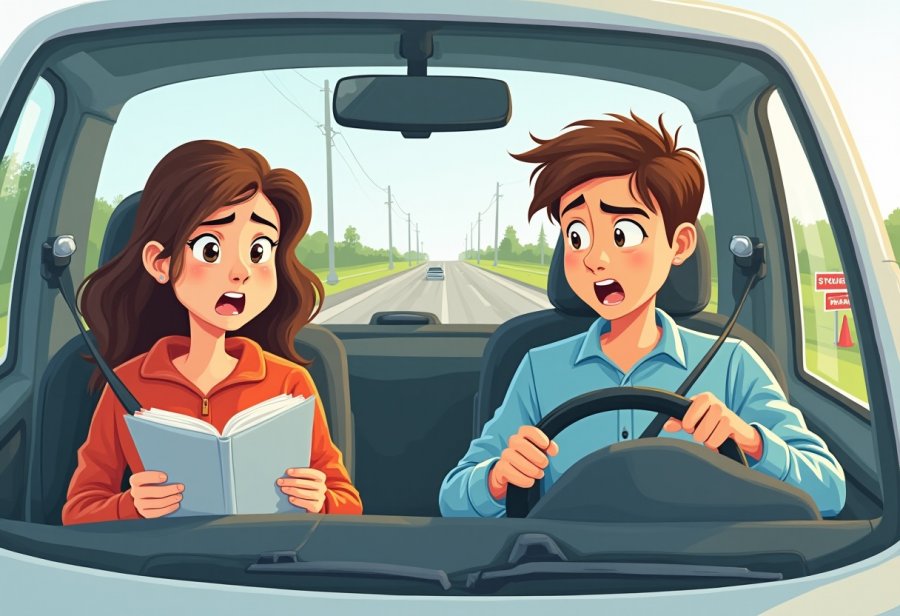
As technology continues to evolve, the landscape of teen driver education is becoming more innovative and engaging. Virtual reality simulations are increasingly common, offering teens a safe space to experience complex driving scenarios like navigating bad weather or busy intersections. These immersive tools help reduce anxiety by familiarizing them with challenging conditions before they face real roads, building decision-making skills and confidence simultaneously.
At the same time, modern vehicles are equipped with advanced driver assistance systems such as lane-keeping assist, automatic emergency braking, and blind-spot monitoring. These features don’t just enhance safety—they serve as educational tools, supporting teens as they learn to respond appropriately in various situations. Over time, these systems help them develop a better understanding of safe driving habits while easing the transition into full independence behind the wheel.
Personalized, tech-driven platforms are also shaping the future of driver education. Adaptive learning programs that tailor lessons based on each teen’s progress foster a growth mindset by focusing on areas needing improvement. This approach encourages patience and persistence, making the learning process more engaging and less overwhelming. Teens can practice at their own pace, gaining confidence gradually through targeted feedback and reinforcement.
Beyond technology, fostering self-awareness, responsibility, and patience remains crucial. Encouraging teens to see setbacks as opportunities for growth helps develop resilience and a positive attitude toward learning. Celebrating small wins along the way reinforces their progress and motivates continued effort. This mindset not only prepares them for safe driving but also equips them to handle life’s other challenges with confidence.
As these tools and methods mature, driver education is set to become less stressful and more effective. The integration of virtual reality, smarter vehicle systems, and personalized platforms promises to produce a generation of responsible drivers who are well-prepared for the unpredictability of real-world roads. The goal is to transform nerves into self-assurance, creating safer, more confident drivers ready to face whatever lies ahead.
The journey toward confident, independent driving doesn’t end with a license. It’s an ongoing process built on continuous learning, patience, and support. With each technological advancement and educational innovation, teens will have more resources to develop resilience and responsibility. This future isn’t just about mastering driving—it’s about nurturing a mindset that values safety, accountability, and growth, traits that will serve them far beyond the driver’s seat.