Underground street racing is more than a pursuit of speed; it’s a fiercely loyal community forged in secrecy and adrenaline. Rooted in rebellion, this culture has evolved from reckless origins into a sophisticated network where trust, loyalty, and brotherhood take precedence over the races themselves. Despite increasing law enforcement crackdowns and societal skepticism, racers adapt through encrypted communications and covert locations, ensuring the scene’s resilience. Modern vehicles—ranging from imports to muscle cars—become expressions of personality as crews support each other through victories, setbacks, and life’s challenges. The bonds formed are deep and enduring, turning rivals into family members with shared sacrifices and rituals. Looking ahead, technological innovations promise to push performance even further, yet the core values—trust, loyalty, and rebellion—remain unchanged. How does this ongoing dance of secrecy and connection sustain the underground scene’s unbreakable spirit in a world increasingly aware of its existence?

Unveiling the Vibrant World of Underground Street Racing
Underground street racing isn’t just about the thrill of pushing cars to their limits; it’s a vibrant, pulsating culture that thrives in the shadows of urban landscapes. When night falls, hidden spots like deserted streets, vacant parking lots, and abandoned industrial zones come alive with the roar of engines and the screech of tires. These races happen away from the prying eyes of law enforcement, adding a layer of danger and exclusivity that only fuels their allure. For many participants, it’s more than a adrenaline rush—it’s a way to carve out a sense of identity and belonging in a world that often feels disconnected or overlooked.
At its core, this scene is about community. Racers and fans share a common passion for speed, style, and loyalty that creates bonds stronger than the races themselves. They spend years building reputations based on skill, consistency, and trust. Respect within the scene is earned through dedication and reliability, turning fleeting encounters into lifelong friendships. Secrecy is key—racers guard their favorite spots and keep race details under wraps to protect their crew and avoid legal trouble. This shared secretiveness fosters a kinship that transforms casual rivals into a close-knit family.
The cars involved are more than mere transportation; they’re extensions of personality. Custom paint jobs, body kits, and performance upgrades turn everyday vehicles into mobile works of art designed for both speed and style. Arriving in groups, racers support each other through tense moments, whether it’s managing police activity or fine-tuning their cars for the next run. The raw energy of the scene, combined with the camaraderie among drivers, creates an atmosphere that’s as much about brotherhood as it is about racing. It’s a space where loyalty, respect, and shared adrenaline forge unbreakable bonds.
Understanding this culture also means recognizing its deep roots. Street racing emerged mid-20th century as a rebellious response to rising car culture, with young drivers organizing spontaneous races in city streets or abandoned zones. Originally seen as reckless and lawless, it was fueled by a desire to challenge authority and stand out from the mainstream. Over time, media portrayals and movies romanticized the activity, shaping its reputation as a symbol of freedom and defiance. Despite crackdowns and legal risks, the scene persists, adapting with new technology and evolving social dynamics.
Today, underground racing continues to thrive, driven by a resilient community that values loyalty and shared passion. Modern racers organize through social media, sharing locations and strategies while maintaining secrecy. Cars have become more specialized, with high-performance imports and exotic supercars taking center stage. Even as law enforcement intensifies efforts to shut down illegal races, the bonds of brotherhood and trust keep the scene alive. It’s a culture rooted in rebellion, loyalty, and the unbreakable human need for connection—speed just being the vehicle that fuels it.
From Rebellion to Culture: The Origins and Evolution of Street Racing
Street racing’s origins trace back to the mid-1900s, born out of a rebellious spirit that challenged the norms of mainstream driving. Young enthusiasts, eager for adrenaline and recognition, started organizing spontaneous races in city streets, vacant lots, and abandoned industrial zones. These early races were raw and unorganized, driven by curiosity and a desire to push cars beyond their limits without the restrictions of formal tracks. The thrill of defying authority and the allure of risk quickly drew more drivers into the scene, setting the foundation for what would become a global underground phenomenon.
Initially seen as reckless and lawless, street racing was fueled by a sense of independence and nonconformity. It became a way for young people to carve out their own identity outside societal expectations, turning their vehicles into expressions of personal style and technical skill. Media and Hollywood played a significant role in romanticizing this rebellious image—movies like “The Fast and the Furious” elevated street racing from local acts of defiance to a symbol of youthful freedom and attitude. This portrayal helped attract a broader audience, inspiring new generations to join the scene.
As the scene grew, communities formed around shared passions. Racers developed crews based on loyalty, trust, and mutual support, exchanging secrets about the best racing spots, car setups, and timing strategies. These groups became tight-knit, often protecting each other from law enforcement and outsiders. Cars evolved from basic transportation to customized machines—sleek, powerful, and unique to their owners—each modification reflecting personal identity and technical mastery.
The urban landscape itself shaped street racing’s character. Narrow streets, deserted parking lots, and abandoned zones provided the gritty, unpredictable settings that made every race an adrenaline-fueled gamble. Music genres like hip-hop and trap became the soundtrack of this rebellious lifestyle, reinforcing themes of defiance, style, and brotherhood. As footage and stories spread through underground networks and online videos, street racing transformed from a local act into a worldwide subculture, inspiring countless others to chase the thrill in secrecy and style.
Over time, the scene became more organized, with social media serving as a tool for planning clandestine meets and sharing intel. Modern technology—advanced tuning software, real-time data logging, and even electric powertrains—pushed performance further. Despite increasing crackdowns by authorities, racers adapted quickly, using encrypted messaging and secret locations, ensuring the underground spirit remained alive. This continuous evolution highlights the resilience and ingenuity of a culture rooted in rebellion and community.
Throughout its history, street racing has maintained its core ethos: pushing boundaries while forging bonds that transcend the race itself. Loyalty, trust, and shared risks have turned rivals into brothers, building a lasting kinship forged in secrecy and adrenaline. Many racers see their crews as family, supporting each other through setbacks, victories, and life challenges. This sense of brotherhood is the true engine behind the scene’s endurance and ongoing vitality.
Today, despite legal pressures and societal scrutiny, underground racing persists because of its deep roots in human connection. It’s more than just cars and speed; it’s about belonging, identity, and rebellion. As new generations step into the scene, blending tradition with innovation, the spirit of defiance and brotherhood continues to thrive. The culture evolves, but its heart remains unchanged: a testament to the enduring power of shared passion and unbreakable bonds forged in the shadows of the city.
Today’s Underground Scene: Innovation, Secrecy, and Global Connection
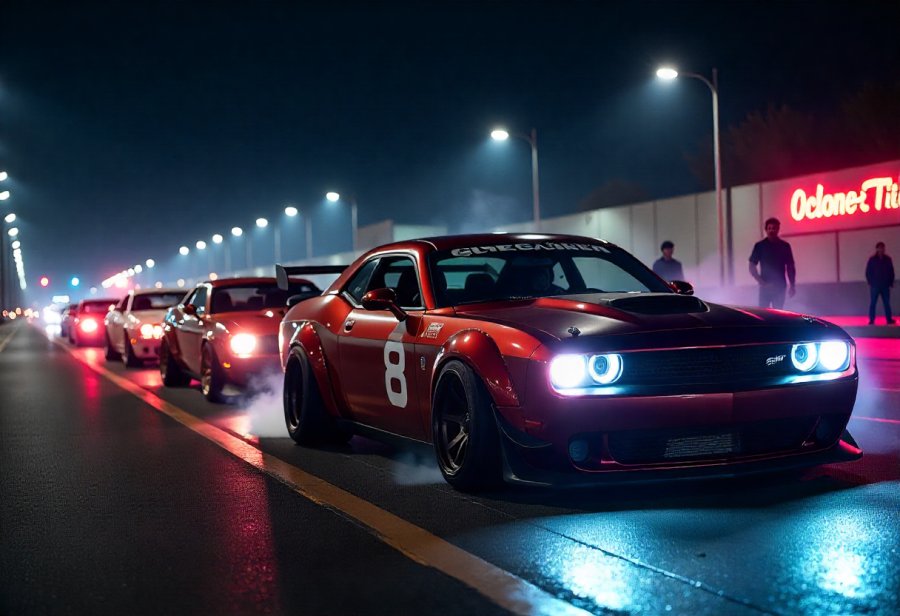
Today, underground street racing is more connected and organized than ever, thanks to the widespread use of social media. Racers share locations, race times, and car details through encrypted chats and private groups, making coordination easier while staying discreet. This digital network allows crews to plan clandestine events in remote city streets, abandoned lots, or industrial zones that law enforcement finds harder to monitor. Despite the risks, the scene continues to thrive because racers stay agile, quick to adapt to new spots and strategies.
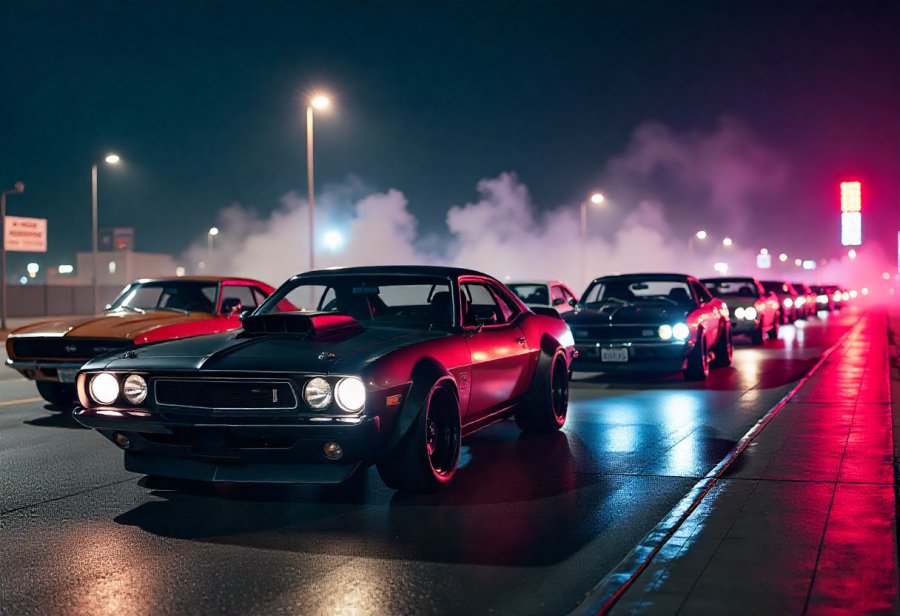
The variety of cars involved has expanded dramatically. From heavily modified Japanese imports like Nissan Skylines and Honda Civics to American muscle cars and European tuners, the street scene showcases an impressive range. Many vehicles are built for both performance and style, with custom paint jobs, body kits, and performance upgrades that turn heads and boost confidence. Racers typically arrive in groups, each member playing a role—spotting police, managing timing, or supporting each other during tense sprints. Races are fast, fierce duels that test skill, strategy, and nerves.
Law enforcement crackdowns have grown more intense, but racers have become experts at staying one step ahead. They rely on knowledge of city layouts, secret locations, and coded signals to avoid detection. Many crews develop routines and use encrypted messaging to coordinate, further securing their activities. The passion for racing remains strong, seen as a form of urban rebellion and self-expression that’s hard to suppress. Videos of epic runs circulate rapidly on social media, fueling rivalries and camaraderie across a global community.
Advances in technology push the scene forward. High-performance tuning software, real-time data loggers, and even electric vehicles are changing what’s possible on the street. These tools help racers optimize their cars but also require greater trust and skill within crews. As performance levels rise, so does the need for secrecy and strategic planning to dodge law enforcement. The scene’s resilience depends on this delicate balance of innovation and discretion, ensuring underground racing stays alive despite mounting pressures.
The bonds among racers are as vital as the cars they drive. Loyalty, trust, and shared risks form a tight-knit brotherhood. Crews support each other through setbacks, victories, and everyday life, creating a sense of family rooted in years of mutual support. Supporting safety and reputation, they warn each other of police activity and lend a hand when accidents happen. These relationships go beyond racing, providing a sense of belonging and purpose that keeps the scene resilient and vibrant.
Despite the mounting challenges, underground street racing persists because of its deep roots in human connection and rebellion. Loyalty and secrecy are the backbone of this culture, fueling its endurance across generations. As new technology and social dynamics evolve, the core spirit—brotherhood forged in the shadows—remains unchanged. This underground family continues to thrive, driven by a shared love of speed, style, and the unbreakable bonds that turn fleeting races into lifelong connections.
Brotherhood in the Shadows: Building Loyalty and Trust Among Racers
In underground street racing, loyalty and trust are the foundation that holds entire crews together. Building these bonds takes time and consistent effort, as racers earn respect not just through race wins but through reliability and integrity. When a driver proves they’re committed—showing up on time, supporting teammates, and keeping secrets—they become more than just a competitor; they become family. This sense of kinship grows stronger with each shared risk, secret, and victory, transforming fleeting encounters into lifelong connections rooted in mutual trust.
Trust is the currency of this high-stakes world. Racers depend on each other to safeguard race locations, warn about police, and help repair damaged cars. Supporting one another isn’t optional; it’s expected. Whether it’s lending a hand during a breakdown or covering for a teammate when law enforcement is nearby, these acts of loyalty reinforce the bonds that define the scene. Over time, such acts embed a sense of dependability that turns acquaintances into brothers.
The relationships extend beyond the adrenaline of the races. Many crews develop rituals—celebrating wins, sharing tips, or simply hanging out—that deepen their connection. These routines foster a sense of belonging, making each member feel valued beyond their driving skills. When not racing, crews often gather for meals or casual hangs, strengthening their sense of community. These moments of camaraderie lay the groundwork for enduring loyalty, built on shared experiences and mutual support.
Supporting each other’s safety is a core aspect of brotherhood. Racers look out for signs of trouble, warn each other about police activity, and step in during emergencies. Knowing someone has your back in dangerous situations turns a group of drivers into a trusted team. This mutual care creates a culture where risking everything on the street becomes a collective effort, not just an individual pursuit. It’s about feeling protected, respected, and part of something bigger than just the next race.
Loyalty is earned through actions, not words. Protecting secrets, defending teammates’ reputations, and standing firm against betrayal are the pillars of this trust. Many crews share inside jokes, personal sacrifices, and rituals that symbolize their commitment. These traditions reinforce the idea that loyalty isn’t just a concept but a lived experience, woven into the everyday fabric of their lives. Over years, these bonds become unbreakable, forming a support network that withstands external pressures.
This brotherhood extends beyond the street. Many racers see their crew as a second family, supporting each other through setbacks, celebrations, and life’s challenges. The shared history of victories and struggles creates a deep sense of belonging that keeps the scene resilient. It’s this unwavering loyalty that turns fleeting races into lifelong connections—each member a vital part of a close-knit, underground community.
Ultimately, underground street racing is as much about the bonds forged in secrecy and adrenaline as it is about speed. Loyalty, trust, and kinship fuel a culture that endures despite crackdowns and societal judgments. These relationships form a resilient core, ensuring that the spirit of brotherhood remains alive and strong—an unbreakable family built on shared passion, mutual respect, and a relentless drive to keep the underground scene thriving.
Reflections and Future Paths: The Enduring Spirit of Underground Racetrack Culture
Underground street racing continues to adapt and endure, rooted deeply in its core values of loyalty, trust, and a shared passion for speed. Despite increased law enforcement crackdowns and societal skepticism, the scene’s resilience shows that these bonds run far beyond the thrill of racing. Racers find innovative ways to stay connected—using encrypted messaging, secret locations, and flexible strategies—keeping the underground spirit alive. As technology advances, so does the scene’s ability to evolve without losing its rebellious edge, blending tradition with modern tools to sustain its vitality.
Looking ahead, innovations like advanced tuning software, real-time data logging, and electric vehicles are pushing performance boundaries further. These tools demand greater skill and trust within crews, elevating the level of competition and sophistication. Yet, the need for secrecy remains paramount. Racers continue to develop new methods to stay ahead of authorities, ensuring that their clandestine meets and races remain hidden. This constant balancing act of innovation and discretion fuels the scene’s resilience, allowing it to survive despite mounting pressures.
The role of social media in organizing and spreading the culture is a double-edged sword. While it helps connect a global community and share epic moments, it also increases visibility to law enforcement. Racers are increasingly relying on encrypted channels and discreet meetups to uphold their secrecy. This ongoing game of cat and mouse sustains the scene’s underground nature, driven by a collective understanding that loyalty and discretion are essential for survival. The scene’s ability to adapt to these digital challenges highlights its ingenuity and unwavering spirit.
At its heart, the bonds of loyalty and brotherhood remain the true engine of endurance. These relationships, built over years of shared risks, victories, and hardships, form a resilient web of support and kinship. Crew members view each other as family, safeguarding secrets, defending reputations, and supporting one another through life’s challenges. This deep sense of belonging sustains the scene, transforming fleeting races into lifelong connections rooted in mutual respect and trust. It’s this unbreakable sense of community that keeps the underground family thriving.
In the end, underground street racing is more than a pursuit of speed—it’s a reflection of urban resilience and human connection. Its enduring appeal lies in the loyalty, rebellion, and adaptability that define it. As new generations bring fresh energy and ideas, the core spirit persists: a brotherhood forged in secrecy and adrenaline, committed to keeping the high-octane underground alive. The scene’s future will depend on its ability to innovate without compromising its identity, ensuring that the bonds of brotherhood continue to drive its evolution and endurance in the ever-changing landscape.