What if Cleopatra’s true legacy was her unmatched intellect and strategic mastery rather than her beauty or romantic tales? Far from Hollywood’s glamourized image, she was a formidable ruler whose leadership was rooted in sharp mind, diplomatic finesse, and cultural literacy. Fluent in multiple languages and immersed in scholarly pursuits within Alexandria’s famed library, Cleopatra used knowledge as her greatest tool—negotiating with Roman powers, interpreting omens, and forging alliances that safeguarded Egypt’s independence. Her ability to blend political savvy with cultural insight made her a master diplomat and a resilient strategist in turbulent times. This pioneering leader’s influence transcended her era, challenging stereotypes about women in power and proving that true strength resides in mental agility, adaptability, and the capacity to inspire trust through wisdom. Could her real power lie in the enduring impact of her intellect? Her story commands us to reconsider the essence of authority, leaving a legacy built on the strength of the mind.
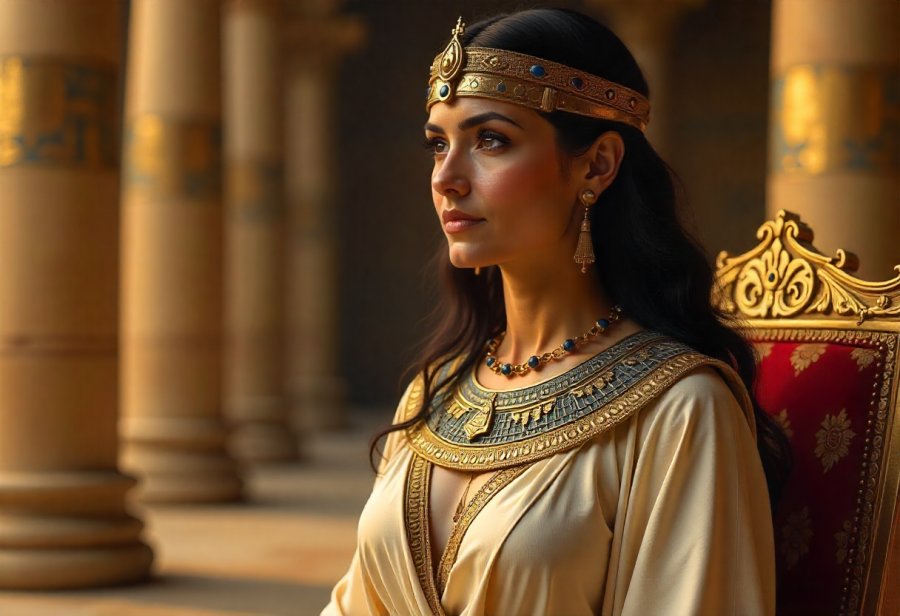
Unveiling Cleopatra’s True Legacy: The Power of Intelligence and Strategy
Cleopatra VII is often remembered through Hollywood’s glamorous portrayals, but her true significance extends far beyond her image as a seductress. She was an exceptionally intelligent and strategic leader, whose legacy as Egypt’s last active pharaoh is rooted in her sharp mind and political skill. Her reign was characterized by a keen understanding of diplomacy, power dynamics, and cultural influence—tools she used with finesse to protect her kingdom’s independence during a turbulent era.
Born into the Macedonian Ptolemaic dynasty that took control after Alexander the Great’s conquest, Cleopatra inherited a complex and often unstable political landscape. Egypt faced internal divisions and external threats, particularly from Rome’s expanding influence across the Mediterranean. In this environment, her intelligence and resilience became vital. Cleopatra quickly realized that her survival depended on outthinking rivals and forging strategic alliances that would serve her interests.
Far from the superficial image of a glamorous seductress, Cleopatra was a well-educated monarch. Fluent in several languages, including Egyptian, Greek, and Latin, she could communicate directly with a diverse range of officials and foreign dignitaries. Her linguistic skills weren’t just for show; they were strategic assets that allowed her to negotiate, gather intelligence, and build trust without relying on intermediaries. Her respect for different cultures and her ability to speak their languages demonstrated her diplomatic finesse.
Her leadership style blended traditional Egyptian governance with Hellenistic influences, fostering economic stability and cultural vitality. Cleopatra was pragmatic and adaptable, balancing assertiveness with tact. Her capacity to read political climates and craft nuanced strategies helped her maintain authority despite external pressures and internal conflicts. Her political mastery was rooted in her ability to leverage knowledge, symbolism, and diplomacy to keep Egypt afloat in uncertain times.
Cleopatra’s legacy is ultimately defined by her mental acuity. Her sharp intelligence, multilingual skills, and scholarly pursuits made her a formidable leader who navigated her turbulent world with insight and resilience. Her story challenges stereotypes that reduce her to a mere romantic figure, revealing instead a ruler whose true power was rooted in her mind. Her leadership exemplifies how intellect and strategic thinking can leave a lasting mark on history.
The Brilliance of Cleopatra’s Mind: Multilingualism and Scholarly Pursuits That Define Her Genius
Cleopatra’s brilliance was rooted in her extraordinary mental acuity, which set her apart from many rulers of her time. Fluent in at least seven languages—including Egyptian, Greek, and Latin—she could communicate directly with a diverse array of officials, scholars, and foreign dignitaries. This linguistic prowess was more than a mark of education; it was a strategic tool that allowed her to negotiate, gather intelligence, and build alliances without relying on intermediaries. Speaking the native tongues of her allies and rivals demonstrated her respect for different cultures and deepened her understanding of their perspectives.
Beyond language skills, Cleopatra immersed herself in philosophy, science, and literature. Her studies took place within Alexandria’s famed Library, a hub of learning that symbolized her commitment to knowledge. Unlike many monarchs who saw scholarship as a personal hobby, she used her intellectual pursuits as practical tools for governance. Her fascination with astronomy, mathematics, and Egyptian religious traditions provided insights into omens and divine legitimacy, which she leveraged to reinforce her authority.
Her mastery of these disciplines made her a skilled diplomat. Cleopatra understood that influence depended not only on power but also on cultural intelligence. She used symbols, rituals, and shared knowledge to foster trust and project sophistication. Her ability to synthesize scholarly insights with political strategy made her a formidable figure capable of swift adaptation to changing circumstances. This blend of knowledge and diplomacy allowed her to craft nuanced alliances, notably with Julius Caesar and Mark Antony, which safeguarded Egypt’s independence.
Cleopatra’s intellectual pursuits weren’t superficial; they were integral to her leadership. Her understanding of Egyptian religion, science, and arts helped her craft policies that reinforced her legitimacy. By interpreting omens and religious traditions, she aligned her rule with divine authority, bolstering her influence among her people and allies alike. Her cultural literacy was a key asset, enabling her to communicate strength and stability even amidst external threats.
Her ability to adapt her intellect to her needs made her a strategic thinker. Cleopatra mastered the art of reading her opponents and allies, turning knowledge into influence. Her scholarly background gave her confidence in negotiations, allowing her to stand toe-to-toe with Rome’s most powerful figures. Her capacity to synthesize complex information into actionable strategies was instrumental in maintaining her kingdom’s sovereignty for decades.
This mental agility extended beyond political maneuvering. Cleopatra’s curiosity and continuous learning fueled her resilience. Her mastery of languages and disciplines created a foundation for cultural diplomacy, making her a leader who could inspire trust and admiration across different civilizations. Her influence was rooted in her capacity to think critically, adapt swiftly, and communicate effectively—traits that defined her leadership.
Her story exemplifies how true leadership hinges on intellectual strength and cultural insight. Cleopatra saw governance as a complex puzzle, where knowledge, influence, and diplomacy intertwined. Her legacy endures as a testament to the power of the mind—an example that brilliant leadership is rooted in curiosity, resilience, and the ability to turn scholarship into strategic advantage.
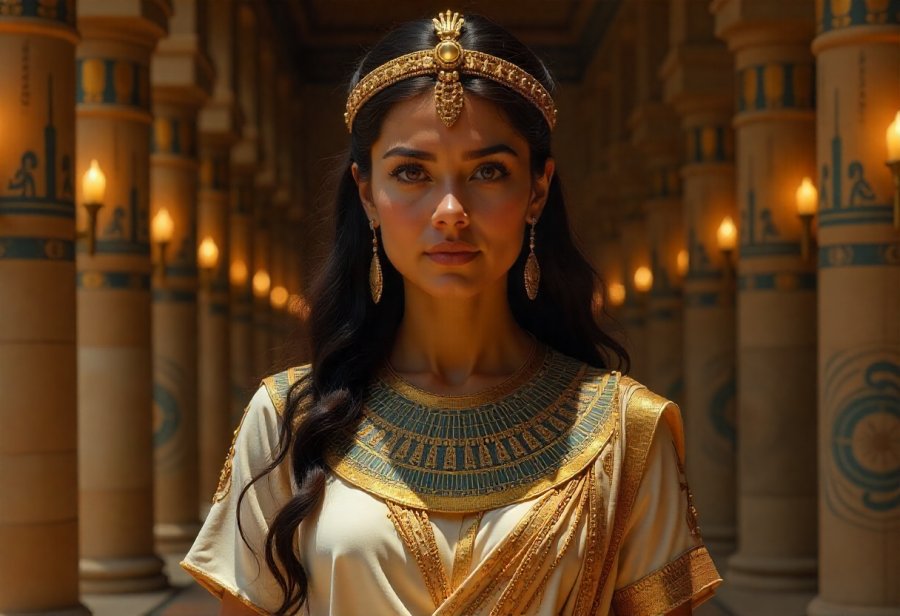
The Political Power of the Mind: How Cleopatra Leveraged Intellect for Enduring Influence
Cleopatra’s true power stemmed from her exceptional mental acuity, which formed the core of her legendary leadership. Unlike rulers who relied mainly on military might or inherited privilege, she understood that influence came from sharp insight, strategic thinking, and persuasive diplomacy. Her ability to analyze complex political situations with clarity allowed her to craft nuanced alliances and navigate the turbulent rise of Rome’s dominance. She wasn’t just a figure of beauty or charm; she was a master of diplomacy and a keen observer of human nature, using her understanding of people and power to her advantage.
Her mastery of multiple languages—Egyptian, Greek, Latin, and others—played a key role in her influence. Speaking directly to a broad spectrum of officials, scholars, and foreign rulers, she eliminated reliance on intermediaries, gaining trust and credibility in negotiations. This linguistic versatility demonstrated her respect for different cultures and deepened her ability to interpret and respond to their needs and fears, making her a formidable diplomatic force.
Beyond language, Cleopatra’s scholarly pursuits amplified her mental strength. Her studies in philosophy, science, and literature within Alexandria’s famed Library weren’t just personal interests—they were tools for governance. Her knowledge of astronomy, mathematics, and Egyptian religious traditions helped her interpret omens, craft religious legitimacy, and reinforce her authority. This intellectual curiosity wasn’t superficial; it was a deliberate strategy to deepen her understanding and influence her realm’s cultural and political fabric.
Her ability to synthesize scholarly knowledge with practical politics made her a strategic genius. Cleopatra mastered cultural diplomacy, using symbols, rituals, and shared knowledge to communicate strength and legitimacy. Her alliances with Julius Caesar and Mark Antony exemplify her talent for transforming complex relationships into tools for Egypt’s survival. She understood influence wasn’t just about power but about reading her opponents and allies alike, adapting her approach with finesse.
Cleopatra’s mental agility allowed her to turn threats into opportunities. She used her intelligence to craft policies and diplomatic moves that protected Egypt’s independence amid external pressures. Her capacity to anticipate rival moves and respond with well-informed decisions set her apart from many contemporaries. Her legacy as a leader is rooted in her ability to think critically, adapt swiftly, and act tactically, ensuring her influence endured long after her reign.
Her leadership exemplifies how influence is rooted in the mind’s capacity to learn, adapt, and persuade. Cleopatra saw governance as a puzzle, where knowledge and cultural insight were key pieces. Her relentless curiosity and strategic foresight made her a resilient leader who could navigate turbulent times with confidence. Her influence endured because she understood that mental strength and cultural understanding are more powerful than superficial displays of authority.
This mental foundation was her most enduring legacy. Cleopatra’s influence was built on her ability to think ahead, to negotiate from a position of knowledge, and to craft alliances based on mutual understanding. Her example continues to inspire modern leaders, showing that true power resides in the mind’s capacity to innovate, persuade, and adapt in a changing world. Her mastery of diplomacy and scholarship made her a figure whose impact transcended her era, proving that the most formidable leaders are those who lead with intelligence and resilience.
Applying Cleopatra’s Legacy: Modern Relevance of Her Diplomatic and Intellectual Strengths
Cleopatra’s leadership qualities—her intelligence, diplomatic finesse, and strategic insight—remain strikingly relevant today. In an era where influence often hinges on understanding and relationship-building rather than sheer force, her example underscores the importance of mental agility and cultural awareness. Leaders across politics, business, and social spheres can draw inspiration from her ability to navigate complex networks, interpret subtle cues, and foster trust through shared knowledge and genuine empathy.
Her mastery of language and diplomacy exemplifies how effective communication paves the way for influence. In today’s interconnected world, cross-cultural collaboration and global engagement demand the same cultural intelligence Cleopatra demonstrated. Leaders who prioritize continuous learning, cultural sensitivity, and authentic dialogue can forge stronger alliances, resolve conflicts more effectively, and build sustainable impact. Her approach reminds us that influence is rooted in understanding others and communicating with clarity and respect.
Beyond diplomacy, Cleopatra’s patronage of Alexandria’s scholarly institutions highlights the timeless value of knowledge. Supporting arts, sciences, and education fuels innovation and fosters environments where ideas thrive—an essential trait for modern leadership. Her commitment to continuous learning exemplifies how investing in intellectual capital creates stability and promotes progress, especially during turbulent times.
Her story also challenges stereotypes about women in power. Cleopatra demonstrated that influence rooted in intelligence, resilience, and strategic thinking can be as formidable as traditional authority. Her ability to maintain Egypt’s independence amid external threats shows that mental strength is a vital asset for overcoming challenges. Today’s leaders can take from her example that lasting influence stems from a well-rounded, strategic mind rather than superficial displays of power.
Cleopatra’s legacy offers a blueprint for leadership based on mental agility and cultural insight. Her capacity to think critically, adapt swiftly, and communicate effectively remains a vital lesson. As global challenges grow more complex, her example reminds us that influence and authority are most enduring when grounded in knowledge, resilience, and authentic engagement. Embracing these qualities can help leaders build sustainable legacies rooted in the strength of their minds.
Her example encourages a shift away from superficial power towards a deeper understanding of influence. It’s about mastering the art of persuasion through insight, empathy, and shared values. Today’s leaders who cultivate curiosity, foster genuine connections, and prioritize continuous learning can navigate uncertainty with confidence—much like Cleopatra did in her time.
Moreover, her leadership underscores the importance of resilience and adaptability. In a rapidly changing world, the ability to interpret new environments and respond with informed strategies separates effective leaders from the rest. Cleopatra’s intellectual versatility—her multilingual skills, scholarly pursuits, and cultural literacy—remind us that lifelong curiosity and strategic thinking are keys to enduring influence.
Ultimately, Cleopatra’s legacy teaches that true power resides in the mind’s capacity to learn, innovate, and connect. Her influence, built on knowledge and cultural insight, transcends her era and offers timeless lessons. Modern leaders who emulate her mental agility and strategic foresight can forge impactful, lasting legacies—proof that the most formidable influence is rooted in the strength of the intellect.
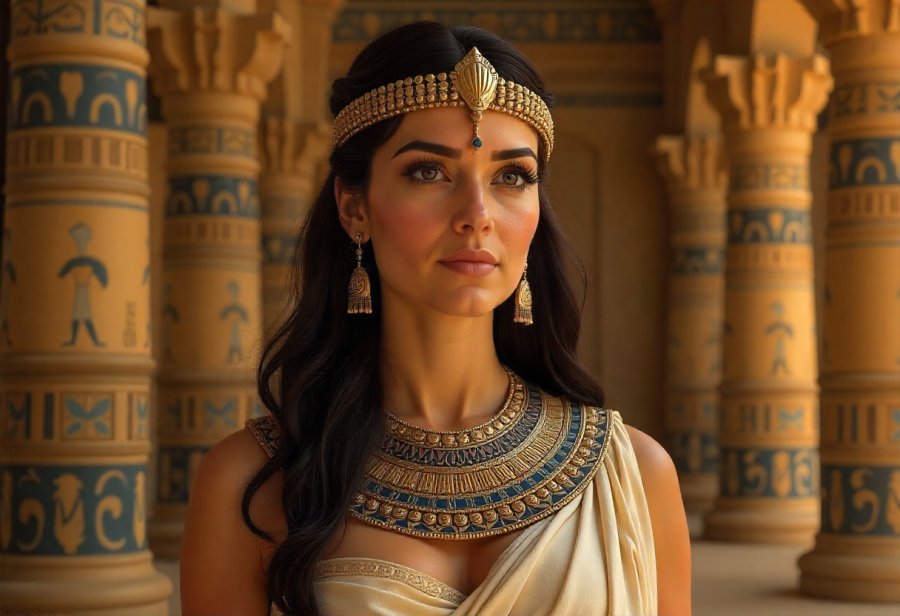
Conclusion: Reassessing Cleopatra’s True Power Through Her Mind and Strategy
Cleopatra’s true legacy extends far beyond her beauty or romantic entanglements. It is rooted in her exceptional intellect, strategic thinking, and diplomatic finesse. She understood that influence came from a sharp mind capable of analyzing complex political landscapes and forging alliances based on mutual understanding. Her ability to speak multiple languages, master cultural symbols, and interpret omens gave her a distinct advantage in navigating the turbulent waters of her time. These qualities transformed her from a mere figure of fascination into a formidable leader whose impact endured long after her reign.
Her leadership was defined by a keen sense of adaptability and insight. Cleopatra recognized that true power wasn’t just about military might or royal privilege; it was rooted in the capacity to think critically, learn continuously, and respond swiftly to changing circumstances. Her scholarly pursuits within Alexandria’s famed library and her engagement with philosophy and science weren’t just personal hobbies—they were tools that strengthened her influence and legitimacy. She used her knowledge to interpret the world around her and craft policies that protected Egypt’s sovereignty in an era dominated by rising Rome.
Furthermore, Cleopatra’s mastery of cultural diplomacy set her apart. She skillfully used symbols, rituals, and shared knowledge to communicate strength and legitimacy, turning her intellectual and diplomatic skills into tangible political leverage. Her alliances with Julius Caesar and Mark Antony exemplify this strategic finesse—she transformed complex relationships into tools for securing her kingdom’s survival. Her ability to read human nature and adapt her approach made her a leader whose influence transcended her era, demonstrating that true power lies in a well-rounded, strategic mind.
Cleopatra’s legacy continues to inspire because it challenges stereotypes about leadership, especially for women. Her example proves that resilience, intelligence, and cultural insight are as vital as traditional notions of authority. In today’s interconnected world, her lessons remain relevant: influence depends on understanding others, fostering genuine connections, and continuously seeking knowledge. Her story reminds modern leaders that lasting impact is rooted in mental agility, adaptability, and the courage to innovate.
In the end, Cleopatra’s strength was her mind—an asset that allowed her to shape her destiny against overwhelming odds. Her influence was built on the foundation of curiosity, strategic foresight, and cultural literacy. These qualities made her a leader whose legacy endures, illustrating that the most powerful influence comes from within. Her example encourages us to value intellectual resilience and strategic thinking as the true sources of lasting leadership and impact.