Transforming Toronto yards into stunning outdoor retreats goes beyond basic landscaping—it’s about balancing beauty, sustainability, and personal connection. How can homeowners create inviting, functional spaces that thrive amid Toronto’s seasonal shifts while supporting local ecosystems? This guide explores thoughtful design principles, emphasizing native plants, eco-friendly materials, and water-efficient features that foster resilience and reduce upkeep. It highlights the importance of collaborative planning, clear communication, and seamless execution to turn visionary landscapes into reality, ensuring satisfaction at every stage. Why settle for yards that merely look good when they can support environmental health and enhance daily life? By integrating practical solutions like rain gardens, permeable paving, and natural lighting, designers craft spaces that are both captivating and eco-conscious. Ultimately, these outdoor retreats become more than just beautiful yards—they evolve into personal sanctuaries that reflect harmony with nature, elevating the homeowner’s connection to their environment and lifestyle.
Transform Your Toronto Yard Into a Personal Oasis of Beauty and Sustainability
Transforming a Toronto yard into a welcoming outdoor retreat goes beyond planting a few flowers or laying stones. It’s about creating a space that feels inviting, functional, and in harmony with the environment—one that reflects the homeowner’s personal style while supporting sustainability. As urban living becomes more compressed, outdoor spaces in Toronto have gained new significance. They offer a much-needed escape from city life, providing a place to relax, entertain, and connect with nature right at home.
Today’s homeowners are looking for yards that do more than just look good; they want outdoor environments that are sustainable and low-maintenance. Achieving this balance requires thoughtful design and careful planning. Selecting native plants, eco-friendly materials, and water-saving features helps create a landscape that is both beautiful and environmentally responsible. These choices not only enhance visual appeal but also support regional ecosystems and reduce ongoing upkeep.
Transforming a yard into a personal retreat is a collaborative process. Listening to clients’ desires and understanding their lifestyle guides every decision, from layout to plant selection. When clients are involved from the start, through sketches and regular updates, it fosters trust and ensures the final result aligns with their vision. This partnership approach makes the journey enjoyable and results in a space that truly feels like home.
Design principles now emphasize harmony, flow, and functionality. Thoughtfully placed focal points, natural lighting, and multi-purpose features create outdoor spaces that feel both stunning and practical. Incorporating eco-friendly elements like rain gardens and permeable paving enhances resilience without compromising style. These choices help the yard adapt to Toronto’s seasonal changes while providing a sanctuary for everyday life.
Ultimately, transforming Toronto yards into outdoor retreats is about making smart, intentional choices that benefit both homeowners and the environment. It’s a process rooted in creativity, collaboration, and respect for the natural landscape. When done right, these outdoor spaces become more than just pretty yards—they turn into genuine extensions of home life, designed to last and nurture the connection between people and nature.
Foundations of Landscape Transformation: Designing Resilient, Eco-Friendly Gardens in Toronto
Creating a successful landscape transformation in Toronto starts with understanding the core principles that guide both beauty and resilience. A well-designed yard is more than just visually appealing; it should be practical, durable, and in harmony with the region’s natural environment. This involves selecting plants, materials, and features that are suited to Toronto’s climate—characterized by cold winters and warm, often dry summers—while ensuring a seamless flow between different areas of the yard. Native plants play a vital role here, as they naturally thrive with less water, fertilizers, and maintenance, supporting local ecosystems and reducing ongoing effort.
Design trends have shifted towards eco-consciousness, making sustainable practices a key part of landscape planning. Incorporating water-efficient systems, permeable surfaces, and native flora isn’t just a nod to environmental responsibility—it’s essential for creating future-proof landscapes. Rain gardens, smart irrigation, and drought-tolerant plantings are now standard techniques that help manage stormwater, conserve resources, and strengthen landscape resilience across Toronto’s seasonal fluctuations. These practices allow gardens to stay vibrant and functional year-round, reducing the need for excessive intervention.
Harmony and flow remain at the heart of good landscape design. Thoughtfully balancing proportions, focal points like water features or lighting, and natural pathways creates outdoor spaces that feel both inviting and balanced. Well-planned layouts encourage movement and make yards appear larger, while strategic lighting extends usability into the evening. These design elements aren’t just decorative—they enhance the functionality of the space, making it suitable for relaxing, entertaining, or everyday activities.
Listening to client preferences is fundamental. Whether homeowners desire native plantings, low-maintenance features, or outdoor living zones, understanding their priorities shapes every decision. When clients are involved early, through sketches and regular updates, it builds trust and ensures the final design aligns with their lifestyle and values. This collaborative approach turns the transformation process into a shared journey, resulting in a landscape that resonates personally and meets practical needs.
Grounded in these foundational principles, landscape professionals can craft outdoor environments that are both beautiful and sustainable. Using native plants, eco-friendly materials, and region-specific techniques creates resilient landscapes that require less upkeep and are more environmentally friendly. This balanced approach supports local ecosystems, conserves resources, and ensures the yard remains vibrant through Toronto’s seasonal changes.
By focusing on these core concepts, landscape transformations become more than simple beautification—they become sustainable, functional retreats. When design and environmental stewardship are integrated seamlessly, yards evolve into personal sanctuaries that stand the test of time, enriching daily life and fostering a deeper connection with nature.
Creating a Seamless Journey from Design to Reality: Ensuring Smooth Outdoor Transformations
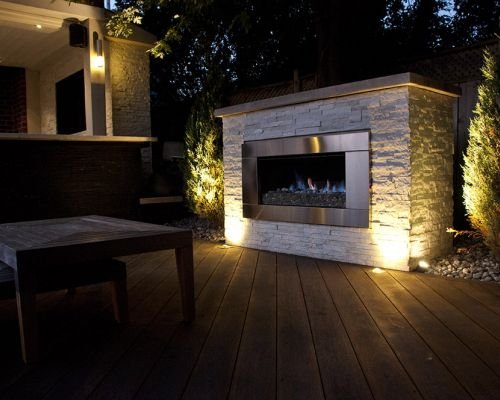
Creating a seamless transition from design to installation is crucial for turning well-laid plans into beautiful, functional outdoor spaces. Clear, upfront communication lays the foundation, helping clients understand the scope, timeline, and costs from the start. When homeowners are well-informed, trust builds naturally, and the project progresses smoothly without unnecessary delays or surprises.
Regular updates during construction—through sketches, photos, or quick on-site meetings—keep clients engaged and involved. This ongoing dialogue allows for early adjustments, preventing misunderstandings and costly rework later on. When clients see their ideas reflected in the evolving project and feel their feedback is valued, they become more invested and confident in the process.
A detailed plan that includes realistic timelines and transparent budgets acts as a roadmap, guiding every step. Breaking the project into manageable phases helps coordinate work between designers, contractors, and suppliers, reducing the risk of miscommunication or delays. Planning for potential setbacks—like weather interruptions or supply issues—by building in contingency strategies keeps the project on track and minimizes frustration.
Working closely with skilled installers is essential. When everyone understands the design intent, they can execute it with precision. Regular site visits and inspections allow early detection of discrepancies, giving teams the chance to correct issues before they escalate. This oversight ensures the finished landscape aligns with the original vision and meets quality standards.
Involving homeowners throughout the process fosters a sense of partnership. Consulting on plant choices, feature placement, and finishing details helps homeowners feel a sense of ownership over their outdoor space. This collaborative approach ensures the final result reflects their lifestyle and preferences, increasing satisfaction with the outcome.
A well-organized workflow and open communication channels turn what could be a stressful process into an enjoyable journey. When clients see their ideas come to life smoothly and professionally, their confidence in the project deepens. The result is a landscape that exceeds expectations and feels truly personal.
Flexibility remains important, especially when unforeseen issues arise. Adaptable teams can troubleshoot on the spot, making adjustments without sacrificing quality or timeline. This agility keeps the project moving forward and ensures the end result remains true to the initial vision.
Finally, a thoughtfully managed process strengthens the relationship between homeowners and professionals. When every phase is handled with care, the final outdoor space becomes more than just a pretty yard—it transforms into a cherished extension of home life, built on trust, clarity, and shared vision.
Harmonizing Style and Sustainability: Designing Beautiful, Eco-Conscious Landscapes in Toronto
Balancing visual appeal with environmental responsibility is at the heart of modern landscape design, especially in Toronto’s climate. A beautiful yard should draw the eye and invite admiration, but it must also support local ecosystems and conserve resources. When designers craft landscapes that seamlessly blend aesthetics with eco-conscious practices, they create spaces that feel vibrant, natural, and inviting—without compromising sustainability.
Native plants form the foundation of this balance. Adapted to Toronto’s cold winters and dry summers, these species require less water, fertilizers, and maintenance. Incorporating native flora not only enhances the landscape’s harmony but also benefits local pollinators and wildlife, fostering a resilient ecosystem right in the backyard. This approach reduces chemical use and minimizes ongoing upkeep, making sustainability an integral part of beauty.
Eco-friendly materials further support this vision. Reclaimed wood, recycled stone, and biodegradable mulches add texture and interest while lowering environmental impact. Permeable paving options, such as porous asphalt or gravel, allow rainwater to soak into the ground, reducing runoff and recharging groundwater. These choices help water management, conserve resources, and ensure the landscape withstands Toronto’s seasonal shifts, maintaining its vibrancy and function over time.
Design features that serve multiple purposes strengthen the connection between beauty and sustainability. Rain gardens and naturalized water features manage stormwater while enhancing visual appeal. Solar-powered lighting extends usability into the evening, conserving energy and creating a welcoming atmosphere. Thoughtfully dividing the yard into zones—dining, lounging, gardening—encourages daily outdoor use, making the space both functional and ecologically responsible.
When eco-conscious choices are woven into the overall design, they complement rather than detract from the aesthetic. This integration results in yards that support local wildlife, conserve resources, and remain stunning year-round. Homeowners gain a sense of pride and connection, knowing their outdoor space is as environmentally friendly as it is beautiful, turning their yard into a true reflection of harmony with nature.
Real-World Success Stories: Practical Strategies for Stunning, Sustainable Backyard Makeovers
Transforming a Toronto backyard into a stunning outdoor retreat isn’t just about theoretical ideas; it’s about real results homeowners can see and enjoy every day. When principles like native plant integration, sustainable materials, and seamless project management are applied thoughtfully, they come together to create spaces that are both inviting and durable. For instance, one recent project used native grasses combined with permeable pavers, resulting in a lush, natural landscape that reduced maintenance needs and environmental impact. Such examples show how strategic choices translate into practical, beautiful landscapes that homeowners genuinely love.
Consider a typical backyard makeover: selecting native plants that thrive in Toronto’s climate makes the yard more resilient and easier to care for. Homeowners often notice lower water bills and fewer chemical treatments because these plants are naturally suited to the environment. Incorporating eco-friendly materials like reclaimed wood or recycled stone not only enhances aesthetic appeal but also aligns with sustainability goals. When these elements come together cohesively, they create a space that feels both natural and thoughtfully designed, encouraging daily enjoyment and connection with nature.
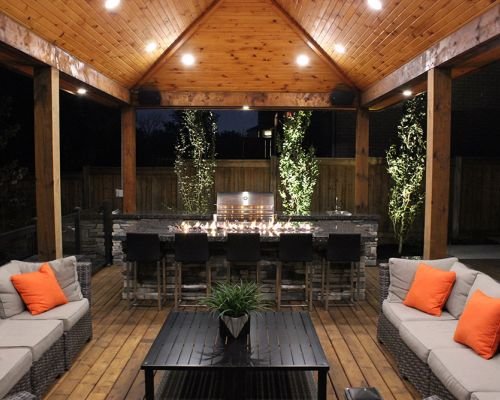
In smaller city yards where space is limited, innovative solutions like vertical gardens and modular features maximize every inch. Adding practical elements such as outdoor kitchens or built-in seating transforms these areas into lively outdoor living rooms. When combined with sustainable features like rain gardens and solar lighting, the result is a backyard that’s as functional as it is beautiful. Homeowners find themselves spending more time outdoors, hosting gatherings, or simply relaxing in a space that seamlessly blends style with eco-consciousness.
Many clients see tangible benefits in their daily routines after these projects are completed. Thoughtfully designed zones for dining, lounging, and gardening encourage more outdoor activity and foster a stronger connection to nature. Lighting that highlights focal points and extends usability into the evening makes these yards inviting at all hours. These practical touches turn outdoor spaces into natural extensions of the home, supporting a lifestyle centered on relaxation, entertainment, and sustainability.
Of course, challenges like drainage issues or unexpected plant growth can arise mid-project. Addressing these early through ongoing communication and site inspections ensures solutions are implemented before problems escalate. This collaborative approach allows for adjustments that keep the project on track and aligned with the original vision. When homeowners and professionals work together closely, the final result surpasses expectations, standing as a testament to thoughtful planning and execution.
Seeing these principles in action confirms that sustainable landscape design isn’t just a concept—it’s a reality. When strategies are applied with care and expertise, the transformation process becomes rewarding for everyone involved. The result is a backyard that not only looks stunning but also performs reliably over time, enriching daily life while respecting the environment. These successful transformations demonstrate that a well-executed outdoor retreat can truly elevate a home’s value, appeal, and ecological footprint, making every effort worthwhile.