Learning to swim at any age is more than acquiring a skill—it’s a transformative journey from fear to freedom. For many, water evokes anxiety rooted in childhood memories or misconceptions, making that initial step daunting. Yet, with patience, support, and manageable milestones, water can become a space of confidence and joy. Real-life stories exemplify how persistence and guidance turn water apprehension into empowerment, revealing that age is no barrier to progress. As technology advances—through virtual reality, smart suits, and personalized online lessons—the future of swimming education promises greater accessibility and tailored experiences. But what if the biggest obstacle isn’t skill but the courage to try? This compelling exploration invites you to reframe water as a source of opportunity, encouraging you to embrace that first splash and unlock lifelong confidence and well-being.
Transform Your Water Fears Into Confidence at Any Age
Learning to swim is about more than just staying afloat or mastering strokes; it’s a skill that can fundamentally change how you see water—and yourself. For many, water evokes feelings of fear or hesitation, often rooted in childhood memories or past experiences that left a mark. Taking that first step into a pool, whether it’s just dipping your toes or wading in gently, can be a powerful act of courage. It opens the door to a sense of freedom, control, and trust that might have felt out of reach before.
This journey isn’t reserved for kids or those naturally comfortable in water. Adults, too, carry fears—sometimes based on misconceptions or long-held anxieties—that can make the idea of learning to swim daunting. But the truth is, anyone can learn, regardless of age or starting point. Every small victory—whether it’s floating, breathing calmly, or moving a few strokes—builds confidence and chips away at those fears.
Many people find that overcoming water anxiety is less about innate ability and more about attitude and support. A patient instructor or a trusted friend can make all the difference, creating a safe environment where fears are acknowledged and progress is celebrated. The process is about patience, persistence, and a willingness to accept that mastery takes time.
Learning to swim transforms fear into trust and anxiety into joy. It’s about reclaiming a part of yourself that might have felt lost or blocked. Once you start trusting the water, it becomes a space of calm and happiness rather than stress. That first splash, the moment you realize you’re in control, can mark a turning point—setting the course for a lifelong relationship with water.
This isn’t just a physical skill; it’s a confidence builder with ripple effects beyond the pool. It can boost self-esteem, reduce everyday anxieties, and open up new opportunities for exercise, relaxation, and social connection. No matter your age, taking that initial step might be the most important move you’ll ever make toward a healthier, more confident you.
Remember, the journey to water confidence is personal and unique. It’s about progress, not perfection. Embracing patience, celebrating small wins, and seeking support turn initial nervousness into a sense of achievement. With each step forward, water becomes less of an obstacle and more a source of joy.
Ultimately, learning to swim is about more than safety or fitness; it’s about reclaiming a part of yourself and discovering the freedom that water can offer. The moment you trust yourself enough to take that first plunge is the start of a transformation—one that can last a lifetime and open new vistas of confidence and well-being.
Develop Trust and Comfort in Water with Simple Strategies
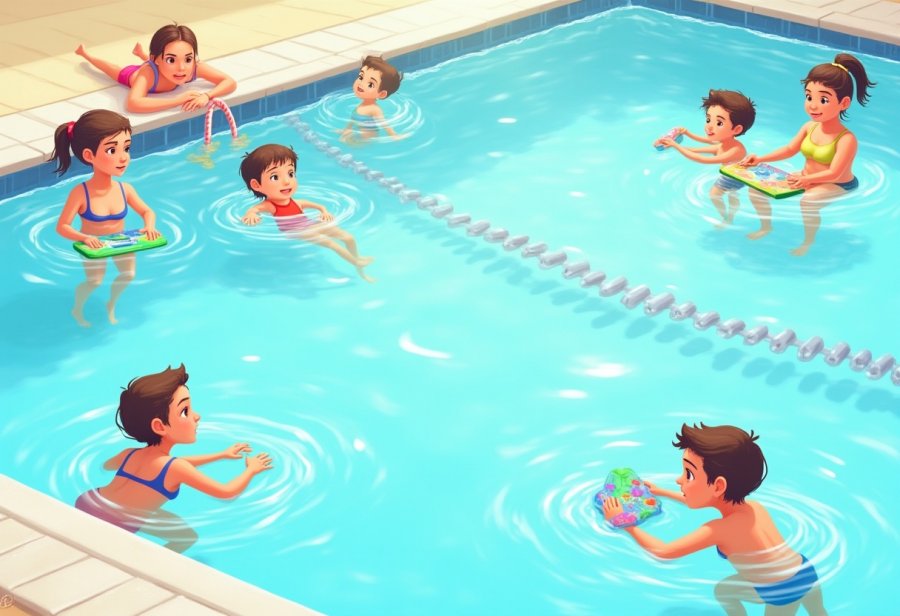
Building water confidence involves taking deliberate, manageable steps that help replace fear with trust. Starting in shallow water is often the best way to ease into the process, as it allows you to feel in control while gradually becoming familiar with water’s sensations. Moving slowly and staying within your comfort zone helps prevent overwhelm, making it easier to develop a positive association with being in the water. Simple activities like sitting on the pool’s edge, wading, or splashing around help your body get used to water’s touch without added pressure.
Relaxation techniques are key. Deep breathing exercises can calm nerves both on land and in the water, reducing physical tension that might otherwise increase anxiety. Visualizing peaceful floating or confident strokes can reinforce positive feelings and mental readiness. These mental practices foster a sense of control and safety, making it easier to face water challenges with a calm, focused mind.
Having a patient instructor or a trusted companion makes a significant difference. Their reassurance and encouragement help you feel supported as you try new movements or confront fears. Their presence transforms water from a source of stress into a space of growth, nurturing trust in your abilities and keeping motivation high. Celebrating small victories—like floating unaided or submerging your face briefly—boosts confidence and clearly shows your progress.
As confidence builds, focus on achievable milestones. Floating on your back, moving from standing to floating, or practicing breathing exercises are signs of progress that prove water can be a safe and even enjoyable environment. Each small success adds to your resilience, making it easier to tackle more advanced skills in the future. Patience remains essential; overcoming water fears isn’t about perfection but about feeling comfortable enough to explore and experiment.
Relaxation and safety habits go hand in hand. Learning how to tread water, using floatation devices, and understanding pool rules foster a sense of security. When you trust that you can stay safe, your anxiety diminishes naturally. Building water confidence is a personal journey, and embracing patience, support, and small wins creates a powerful shift from fear to freedom.
Finally, remember that persistence pays off. Water confidence isn’t developed overnight, but with consistent effort, the initial nervousness can turn into genuine enjoyment. Each step forward deepens your trust and opens new possibilities—whether it’s swimming in a pool, enjoying a beach day, or simply feeling at ease around water. With time and support, the water becomes a space of calm, joy, and lifelong confidence.
Essential Techniques and Practices for Beginner Swimmers
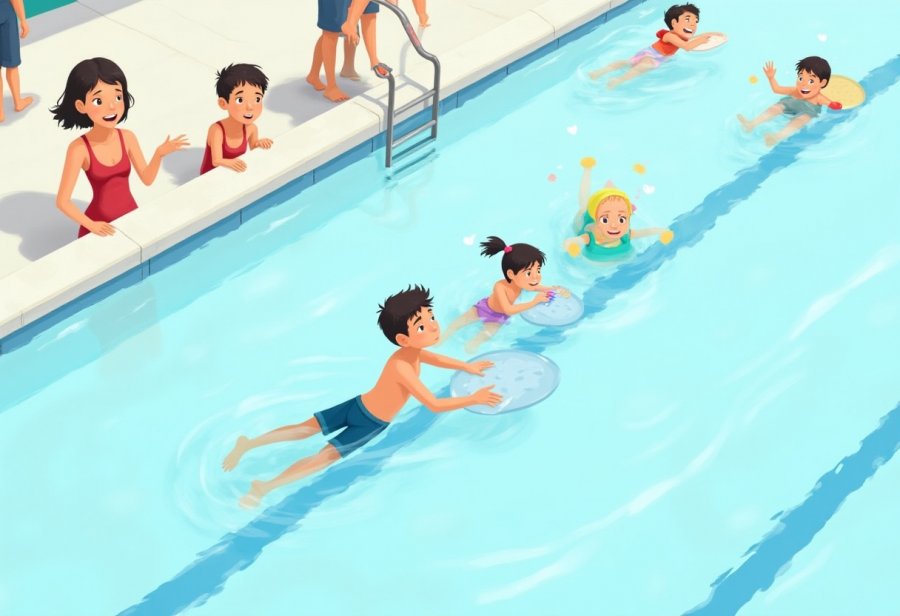
Starting your swimming journey begins with mastering basic techniques that build confidence and promote safety in the water. The first skill to focus on is breathing. Practice slow, steady inhales through your mouth or nose, paired with controlled exhalations into the water. This rhythm helps keep you calm and centered, making it easier to relax and stay in control. Once your breathing feels natural, work on floating—both on your back and front. These skills introduce your body to water’s buoyancy and teach you to remain relaxed when not actively moving.
Next, develop your kicking technique. Using a kickboard can make this easier, allowing you to concentrate on flutter kicks that propel you forward. Kicking from the hips, rather than just the knees, generates more power and efficiency. Even in shallow water, practicing these kicks helps develop muscle memory and confidence in your movement. Alongside kicking, start practicing simple arm strokes, like the front crawl or backstroke. Focus on smooth, deliberate motions that feel comfortable rather than perfect, emphasizing natural movement over speed.
Safety skills are equally important as technique. Learning how to tread water provides a sense of security if you tire or feel overwhelmed. Understanding basic pool rules—such as no running on the deck or diving in shallow areas—reinforces safety and helps you feel more at ease. These foundational skills aren’t about perfection but about gaining a sense of control and security in the water. Celebrating small achievements, like floating unaided or submerging your face briefly, reinforces your progress and builds trust in your abilities.
Patience is key as you develop these skills. Progress may be slow at first, and that’s perfectly normal. Focus on small, consistent steps instead of rushing to master everything quickly. Relaxation techniques, such as deep breathing and visualization, support your learning process by reducing tension and encouraging a positive mindset. Remember, feeling tense or frustrated is part of learning—what matters is continuing to practice without judgment and recognizing each small victory.
Incorporating safety habits early on creates a strong foundation. Learning how to stay afloat, use floatation devices properly, and understand pool safety rules helps foster confidence and peace of mind. When you trust in your safety skills, anxiety naturally diminishes. This steady, patient approach turns initial discomfort into familiarity, making water feel like a safe, welcoming space. Over time, these basic techniques become second nature, paving the way for more advanced skills.
With consistent practice, your confidence will grow, transforming water from an intimidating obstacle into an enjoyable environment. These simple, essential steps are the building blocks of a lifelong relationship with swimming. By focusing on steady progress, patience, and safety, you’ll find yourself more relaxed and eager to explore further, unlocking the joy and freedom that come with mastering the water.
Inspiring Success Stories of Overcoming Water Anxiety
Many inspiring stories highlight how people have overcome water fears and gained confidence in swimming. Take Sarah, for example. Decades ago, she avoided pools entirely because childhood memories left her feeling anxious around water. With patience from a supportive instructor and a gentle approach, she started in shallow water, gradually progressing to floating and then swimming laps. Over time, her relationship with water shifted from one of fear to one of joy and freedom. Her journey shows that even long-held fears can be conquered with persistence and the right support.
Then there’s Mike, a retiree who decided to learn to swim at age 65. His motivation was to stay active and improve his health, but he faced a lifelong fear of deep water. Starting with basic water comfort exercises and supportive guidance, he slowly built trust in his abilities. Today, Mike comfortably swims across the pool and even ventures into deeper waters. His experience reminds us that age isn’t a barrier—determination and encouragement can lead to breakthroughs at any stage of life.
These stories demonstrate that progress isn’t about perfect technique from the start. It’s about celebrating every small victory—floating unaided, submerging your face, or swimming a few strokes. Each milestone reinforces your confidence and helps dispel lingering fears. These wins build resilience and prove that overcoming water anxiety is a personal journey that anyone can undertake, regardless of where they begin.
Beyond individual achievements, these examples reveal the broader benefits of learning to swim. Gaining water confidence boosts self-esteem, reduces anxiety, and opens doors to new activities and social opportunities. For many, conquering water fears unlocks a lifetime of enjoyment, exercise, and relaxation. Sarah and Mike’s stories serve as proof that these benefits are accessible at any age, and that the first brave step can be life-changing.
What stands out from these stories is that success is within reach for anyone willing to start. Patience, support, and persistence turn initial nervousness into genuine enjoyment. Support from instructors, friends, or family creates a safe environment to learn and grow. With consistent effort and a positive outlook, transforming fears into confidence isn’t just possible—it can redefine your relationship with water and enrich your life in unexpected ways.
Innovative Trends Shaping the Future of Swimming Education
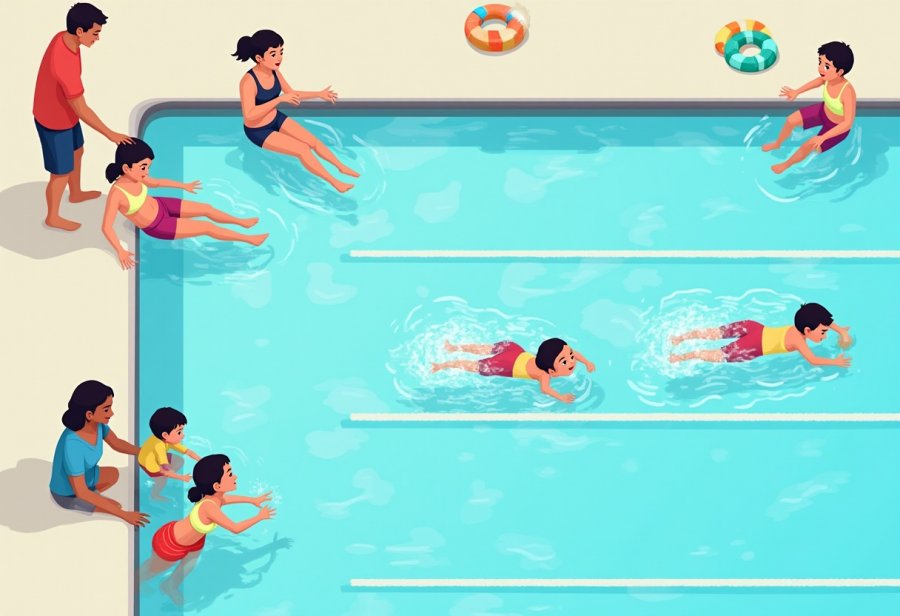
The future of swimming education is on the cusp of exciting transformation, driven by innovative technologies and evolving teaching methods. Virtual reality (VR) and augmented reality (AR) are beginning to reshape how beginners experience water safety and comfort. These immersive tools simulate swimming scenarios, allowing learners to practice breathing, floating, and basic strokes in a risk-free environment. By reducing initial anxiety, these virtual experiences make the idea of learning to swim less intimidating and more accessible, especially for those struggling with water fears.
Meanwhile, smart swimwear equipped with sensors is changing the game for personalized feedback and skill development. These high-tech suits monitor body position, stroke efficiency, and breathing patterns in real time, providing instant insights through companion apps. This combination enables learners to refine their techniques outside of traditional lessons, making professional guidance more accessible and affordable. As these tools become mainstream, they will empower individuals to take control of their swimming journey at their own pace, fostering greater independence and confidence.
Online tutorials and on-demand video lessons are also revolutionizing how beginners approach learning to swim. They offer flexible, self-paced instruction that fits into busy schedules and cater to different learning styles. These digital platforms can tailor programs based on individual progress, keeping motivation high and reducing the feeling of being overwhelmed. As technology advances, future platforms may incorporate interactive elements, gamification, and virtual coaching to make learning engaging and enjoyable, encouraging more people to start and stick with their water confidence journey.
Inclusivity and safety are increasingly central to the evolution of swimming education. Adaptive technologies now support learners with physical limitations, removing barriers that once kept many from water activities. Enhanced safety features, such as pool alarms and automatic monitoring systems, offer peace of mind for beginners and their families. These innovations foster a more welcoming environment, encouraging even the most hesitant individuals to take that crucial first step toward water confidence.
As data-driven insights become more sophisticated, training will become more effective and personalized. Learners will be able to track their progress, identify strengths and areas for improvement, and stay motivated through gamified experiences. This approach makes water confidence building a rewarding process, turning frustration into progress and encouraging lifelong engagement with swimming. With these advancements, learning to swim will be more inclusive, enjoyable, and tailored to individual needs, ensuring that everyone has the opportunity to discover the freedom and joy water can offer.