The Ford Mustang stands as a symbol of American muscle, freedom, and rebellious spirit, captivating enthusiasts across generations. From its bold origins in the 1960s to modern innovations, it has continually evolved while maintaining its legendary status. But what makes the Mustang an enduring icon? Is it the timeless design, the roaring engines, or its cultural presence in movies, music, and racing? This preview reveals how Ford’s iconic creation blends history with innovation—embracing hybrid and electric models without sacrificing performance or attitude. As the Mustang adapts to changing times, it remains a powerful emblem of independence and ingenuity, inspiring a passionate community and shaping automotive culture worldwide. Will the future of the Mustang sustain its legendary legacy, or will modern technology dilute its rebellious roar? One thing is certain: this legendary car continues to define what it means to drive free and dream big.
The Mustang: An Icon of American Freedom and Muscle
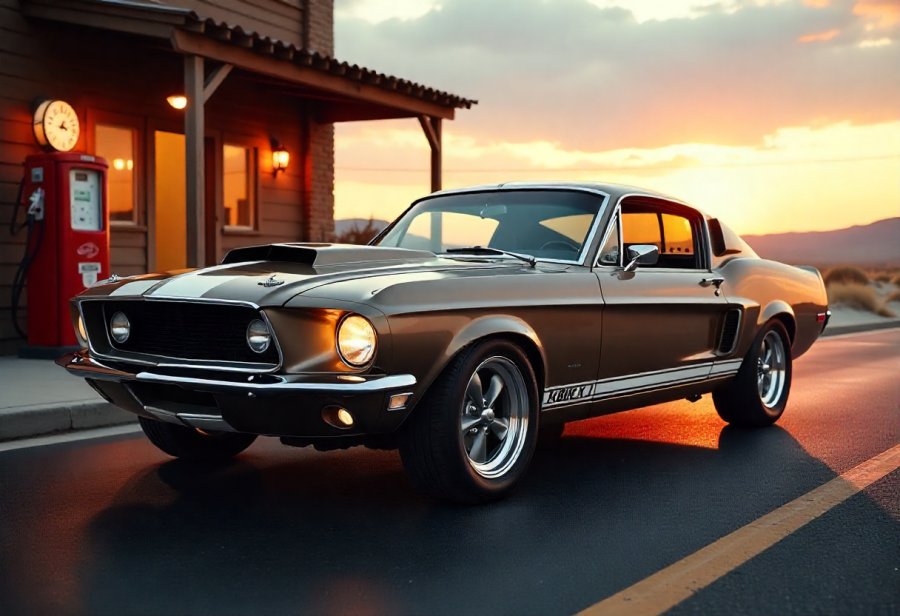
The Ford Mustang isn’t just a car; it’s a symbol that has come to define American muscle and the spirit of freedom. When it first rolled onto roads in 1964, it quickly became more than a means of transportation—it transformed into an icon that reshaped the automotive landscape. Its sleek, muscular design and accessible price made it appealing to a broad audience, from young adventure-seekers to seasoned enthusiasts. More than just a vehicle, the Mustang became a statement of individuality, rebellion, and the pursuit of excitement.
What set the Mustang apart from other cars of its time was its unique ability to combine style, performance, and personalization into one package. Its distinctive features, like the long hood, short rear deck, and the iconic pony grille, made it instantly recognizable and celebrated. These design cues helped elevate the Mustang from a mere mode of transport to a reflection of personality and independence, embodying a bold attitude that resonated with the youth and those eager to stand out.
Beyond its striking looks, the Mustang’s performance capabilities cemented its status as a true muscle car. Early models offered a range of powerful engines—inline-sixes and throaty V8s—that catered to different tastes and budgets. Its lightweight construction and responsive handling made it fun to drive, whether cruising city streets or tearing down open highways. This blend of style and speed created a new category of personal performance cars that continues to influence automotive design today.
Over the decades, the Mustang’s cultural significance only grew. It appeared in movies, TV shows, and music, reinforcing its image as a symbol of freedom, rebellion, and American ingenuity. From the legendary car chase scenes in “Bullitt” to countless songs celebrating independence, the Mustang’s presence in media helped embed it deep into the collective consciousness. It became more than a car; it became a lifestyle icon representing daring individuality and the thrill of the open road.
The Mustang’s legacy extends into the muscle car era, where it helped establish standards for performance, affordability, and style. Its grassroots appeal fostered a passionate community of owners and fans who celebrate its history through car shows, clubs, and racing events. This enduring enthusiasm has kept the Mustang relevant across generations, turning it into more than just a vehicle—it’s a movement that continues to inspire drivers and dreamers alike.
From Inception to Icon: The Evolution of the Ford Mustang
The story of the Ford Mustang begins in the early 1960s, when Ford’s design and engineering teams set out to create a new kind of stylish, affordable sports car that would capture the imagination of a broad audience. They envisioned a vehicle that combined the sporty feel of European roadsters with the practicality and value that American drivers demanded. This ambitious goal led to the development of the Mustang, which made its debut in April 1964 at the New York World’s Fair. Its sleek, aggressive lines and compact size immediately drew attention, but what truly set it apart was the incredible customization options available—buyers could choose from a variety of trims, colors, and performance packages, making each Mustang feel uniquely personal.
The original Mustang’s design broke new ground. Ford focused on a long, sweeping hood paired with a short rear deck, creating a distinctive muscle car silhouette that balanced sportiness with approachability. Underneath, it offered multiple engine choices, from a modest inline-six to a powerful V8, catering to different tastes and budgets. Its lightweight construction and responsive handling made it a joy to drive, whether on city streets or open highways. This combination of style, performance, and affordability created a new category of personal performance cars that quickly gained popularity, laying the foundation for the Mustang’s legendary status.
As the years progressed, the Mustang evolved to reflect shifting trends and industry standards. In the late 1960s and early 1970s, its design grew more muscular, with larger bodies and bolder front grilles, echoing the muscle car craze. Ford introduced high-performance variants like the Shelby GT350 and GT500, which pushed the limits of speed and handling and became instant legends. Special editions like the Boss 302 and Mach 1 enhanced its reputation among enthusiasts seeking exclusivity and racing-inspired features. These models cemented the Mustang’s identity as a serious contender in the muscle car arena, blending performance with a sense of exclusivity.
The oil crisis and tightening emissions regulations in the 1970s posed challenges for muscle cars. Performance was scaled back in favor of fuel efficiency, and some models saw reduced engine power. Yet, Ford responded by updating the design and integrating new technologies—fuel injection, improved suspensions, and modern safety systems—to keep the Mustang relevant. The 2000s marked a nostalgic revival, with retro-inspired styling that paid homage to the original models. Today’s Mustangs combine turbocharged engines, advanced electronics, and aerodynamic enhancements, seamlessly blending classic muscle car aesthetics with cutting-edge performance.
Throughout its development, Ford has maintained a delicate balance—honoring its roots while embracing innovation. Key milestones, such as the SN-95 and S-197 generations, modernized its appearance and capabilities, while Shelby models and special editions kept the performance legacy alive. Recent models with turbocharged four-cylinder engines and hybrid options demonstrate Ford’s commitment to adapting to contemporary demands without sacrificing the core spirit of power, style, and rebellion. This ongoing evolution shows that the Mustang remains more than a car—it’s a symbol of resilience and innovation, continuously reimagined yet forever connected to its origins.
The Modern Mustang: A Timeless Legend in Today’s Automotive Scene
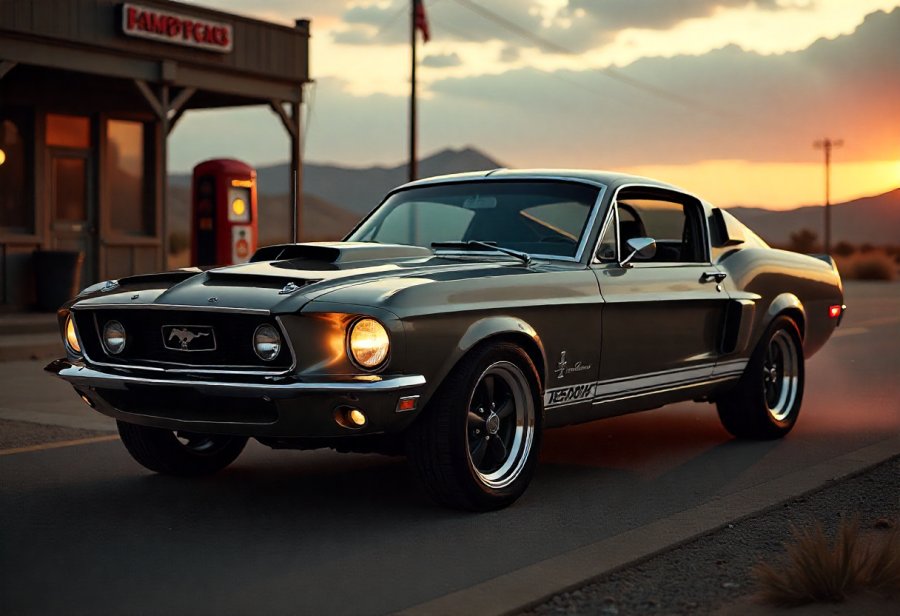
The modern Ford Mustang continues to stand out as both a performance icon and a cultural symbol in today’s automotive world. Its design strikes a careful balance between paying homage to its classic muscle car roots and embracing contemporary styling cues. Sleek lines, aerodynamic accents, and modern features like LED lighting give it an aggressive, fresh look that appeals to new drivers while respecting its heritage. This fusion of old and new helps the Mustang stay relevant across different generations and tastes.
Under the hood, the performance options have evolved dramatically. Today’s Mustangs offer turbocharged four-cylinder engines that deliver impressive power and efficiency, alongside the legendary V8s like the 5.0-liter Coyote, known for its thunderous sound and raw performance. Advanced handling technologies—such as electronic stability control and adaptive suspensions—transform the driving experience, making the Mustang not just a showstopper but a true driver’s car on both city streets and race tracks.
Beyond its technical prowess, the Mustang maintains a prominent presence in pop culture. It’s a recurring icon in movies, music videos, and social media, where it embodies themes of freedom, rebellion, and adventure. These cultural appearances keep the car’s spirit alive for new audiences, reinforcing its role as an American symbol of independence and ingenuity. Whether cruising along open highways or making a statement in urban settings, the Mustang continues to evoke excitement and aspiration.
Ford has also embraced innovation with hybrid and electric versions, signaling a shift toward sustainability without sacrificing performance. These models aim to preserve the visceral driving feel associated with the Mustang while aligning with modern environmental standards. While purists may worry about losing the traditional V8 roar, Ford emphasizes that the core qualities—power, attitude, and rebellion—remain intact. The integration of cutting-edge technology ensures the Mustang’s legacy endures in an evolving automotive landscape.
The car’s cultural relevance is further sustained by its passionate community of enthusiasts. Car clubs, racing events, and customization scenes keep the Mustang’s story vibrant. Owners and fans share stories, modifications, and victories that celebrate its history, fueling a sense of belonging and ongoing excitement. This active engagement keeps the Mustang connected to its roots while inspiring innovation and creativity among new generations.
Looking ahead, the future of the Mustang appears promising. Ford continues to blend classic design elements with modern aerodynamic and technological advancements. Expect sharper lines, smarter connectivity, and driver-assist features that make every ride more engaging and safer. The challenge will be to preserve its rebellious character while integrating innovations to appeal to broader audiences worldwide.
Throughout its evolution, the Mustang has proven its resilience and timeless appeal. It remains a symbol of American muscle, freedom, and innovation—constantly reimagined but never losing its core identity. As new models emerge, the Mustang’s legacy as a cultural and performance icon is poised to grow, inspiring drivers and enthusiasts for generations to come.
Beyond a Car: The Mustang’s Impact on Culture and Community
The Ford Mustang’s influence extends well beyond its role as a high-performance vehicle; it has profoundly shaped automotive culture and inspired a sense of community among enthusiasts worldwide. For many owners, owning a Mustang isn’t just about speed—it’s about belonging to a movement rooted in style, performance, and that rebellious spirit. Car clubs, local meet-ups, and racing events often revolve around the Mustang, creating vibrant scenes where people share stories, modifications, and victories. This sense of camaraderie amplifies its cultural significance, turning the Mustang into more than just a car—it’s a symbol of identity and passion.
In movies, music, and pop culture, the Mustang has become an enduring icon. Its legendary appearances in films like “Bullitt” and “Gone in 60 Seconds” have cemented its reputation as a symbol of speed and adventure. Artists and musicians have celebrated it as a representation of freedom and independence, embedding the car deeply into the collective consciousness. This cultural presence ensures the Mustang remains relevant not just as a vehicle, but as a powerful emblem of American values—rebellion, innovation, and individualism.
The Mustang’s success has driven automotive innovation across the industry. Its performance standards have pushed manufacturers to develop new technologies—more efficient engines, advanced handling, and safety features—raising the bar for all performance cars. This ongoing quest for excellence benefits drivers everywhere, as the legacy of the Mustang helps elevate the entire segment. Owners participate in this evolution through a vibrant aftermarket scene, customizing their cars with performance parts, aesthetic upgrades, and personal touches that keep the story alive.
The car’s racing heritage further cements its cultural impact. From drag strips to circuit tracks, Mustangs have competed and often excelled, showcasing American muscle on a global stage. This racing pedigree adds a layer of prestige, symbolizing grit, speed, and innovation. It also fuels a sense of pride among owners, reinforcing the Mustang’s status as a true performer and a symbol of American engineering prowess.
Beyond individual ownership, the Mustang supports local economies and cultural preservation. Its popularity sustains a vast network of parts suppliers, restorers, and custom shops, creating jobs and fostering craftsmanship. The car’s iconic status attracts tourists and collectors, contributing to automotive tourism and community pride. This ecosystem of passion and craftsmanship keeps the Mustang’s legacy vibrant and ensures it remains a vital part of automotive history.
Finally, the Mustang’s influence continues to inspire new generations. Its timeless design and performance promise a connection to a storied past, while innovations like hybrid and electric variants point toward a forward-looking future. As Ford adapts to changing markets, the core values of power, style, and rebellion will remain central. The Mustang isn’t just a car; it’s a movement that celebrates American ingenuity, independence, and the relentless pursuit of thrill—values that will keep it relevant and revered for generations to come.
Looking Ahead: The Future of the Mustang as a Symbol of Innovation and Rebellion
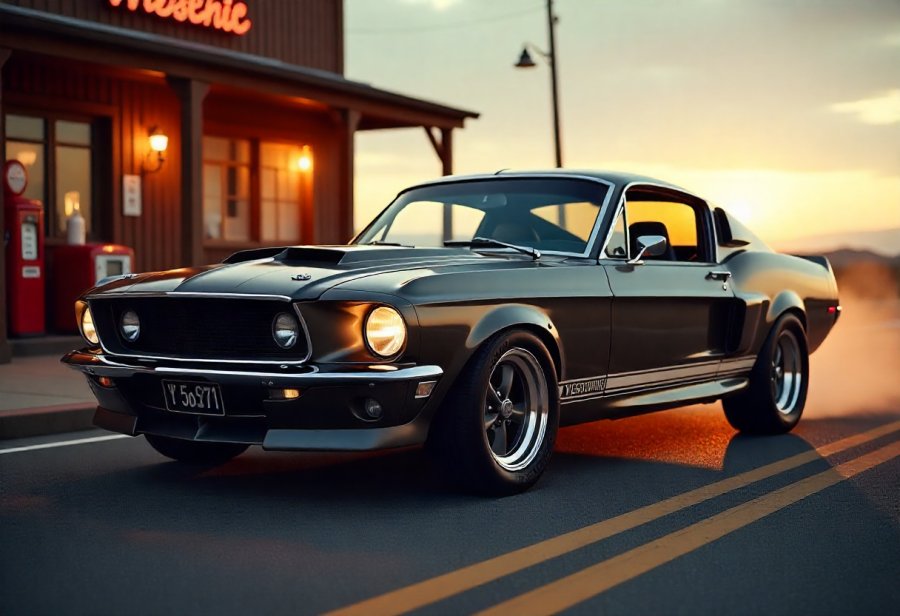
The future of the Ford Mustang remains as promising as its storied past, with the model continuing to evolve while staying true to its core identity. As automotive technology advances, Ford is exploring hybrid and electric powertrains that promise to deliver the same exhilarating performance fans love, but in a more sustainable package. This shift highlights how the Mustang’s rebellious spirit can adapt to modern environmental demands without losing its essence.
Looking ahead, new models will likely blend classic muscle car design cues—sharp lines, aerodynamic enhancements, and bold styling—with cutting-edge features such as smarter connectivity and driver-assist systems. These innovations aim to make every drive more engaging, safer, and more in tune with contemporary expectations. Ford’s ongoing commitment to innovation ensures that the Mustang will continue to inspire, excite, and challenge the market while respecting its roots.
The cultural significance of the Mustang isn’t fading; it’s growing stronger. Its appearances in movies, music, and social media continue to reinforce its role as a symbol of independence, rebellion, and freedom. As new generations discover the car’s legacy, its influence on popular culture is set to expand, inspiring fresh waves of enthusiasts and dreamers alike.
Expanding into the electric era on a global scale presents both a challenge and an opportunity. Ford aims to preserve the Mustang’s iconic identity while meeting diverse regulatory standards and consumer preferences worldwide. Successfully balancing these elements could position the Mustang as a leader in electric performance, paving the way for a broader shift toward electrified muscle cars that still roar with attitude.
Despite these technological changes, the core values that made the Mustang legendary will endure. Power, style, and a rebellious attitude will remain central to every new model, ensuring it continues to resonate across generations. Ford’s design philosophy—bold, distinctive, and unmistakably American—will keep each Mustang authentic, a true reflection of its heritage.
The passionate community of owners and enthusiasts will play a vital role in shaping the future. Their love for restoration, customization, and racing keeps the spirit alive, bridging tradition with innovation. As the model moves forward, this vibrant scene will help sustain the Mustang’s relevance and inspire new ways to celebrate its legacy.
In the end, the Mustang’s journey is far from over. Its promise of excitement, technological progress, and cultural relevance will continue to captivate drivers worldwide. By blending timeless design with modern innovation, Ford ensures that the Mustang remains more than a car—it’s an enduring symbol of American ingenuity, performance, and freedom, inspiring future generations to dream big and drive bold.