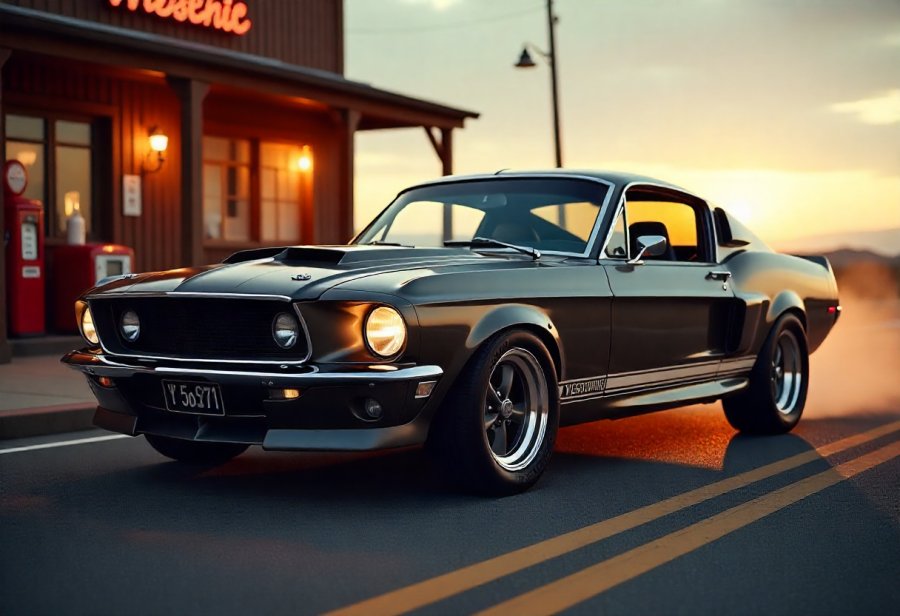
The Dodge Charger stands as an iconic symbol of raw American muscle and rebellious spirit, capturing the primal instincts of speed, power, and freedom. From its late-‘60s roots to today’s high-performance models like the SRT Hellcat, it embodies a relentless evolution rooted in attitude and performance. Its aggressive design, thunderous engines, and cultural presence evoke a visceral connection to street racing and rebellion. Yet, as the industry shifts toward electrification and sustainability, the future of the Charger sparks curiosity—can it retain its primal roar in a quieter, more eco-conscious world? Will cutting-edge technologies and innovative materials preserve its signature muscular silhouette while embracing modern advancements? The Charger’s legacy is one of defiance and power, and its ongoing journey raises the question: how will this legendary machine continue to ignite primal instincts in an evolving automotive landscape?
Unveiling the Legend: How the Dodge Charger Became an American Icon
Few cars have managed to carve out a place in American automotive legend quite like the Dodge Charger. From its debut in the late 1960s, it has become more than just a muscle car—it’s a symbol of rebellion, raw power, and street racing culture. Its bold design, thunderous engines, and rebellious attitude quickly captured the imagination of enthusiasts and everyday drivers alike, cementing its status as an icon of American muscle.
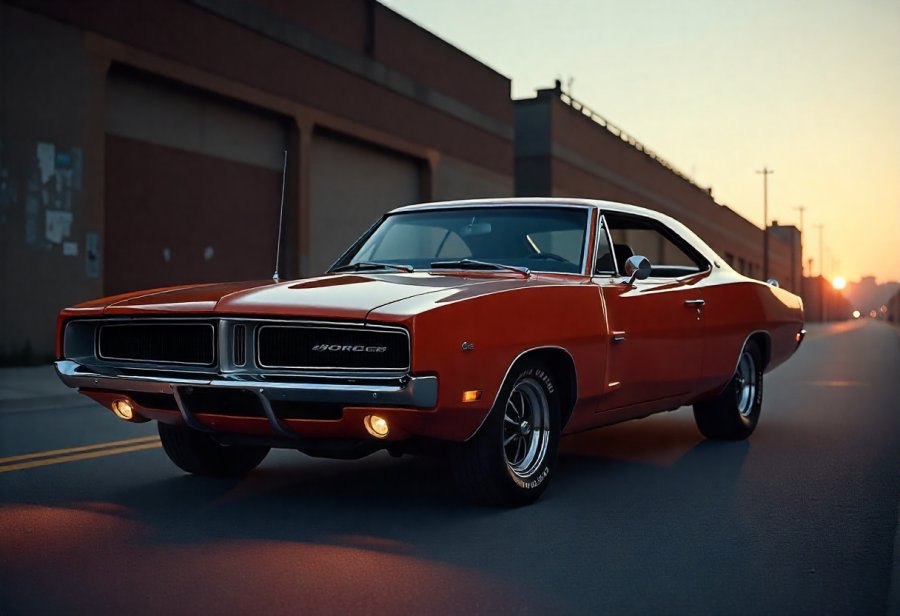
When Dodge introduced the Charger in 1966, it was part of a broader effort to dominate the rising muscle car market. Its sleek, aggressive appearance—long hood, wide stance, and sharp styling cues—set it apart instantly. Early models, especially the 1968 and 1969 versions with big-block V8 engines, gained reputations for blistering performance and street credibility. These cars weren’t just about speed; they were about making a statement on every street corner, highway, and movie scene where they appeared.
Beyond performance, the Charger became a cultural icon. It represented youth rebellion and a desire for freedom during a turbulent era. Its loud roar and striking look made it a favorite among street racers, and it featured prominently in movies and TV shows as the quintessential street racing machine. The image of a vintage Charger tearing through city streets or racing across deserts helped cement its place in the collective imagination as a symbol of raw street power and defiance.
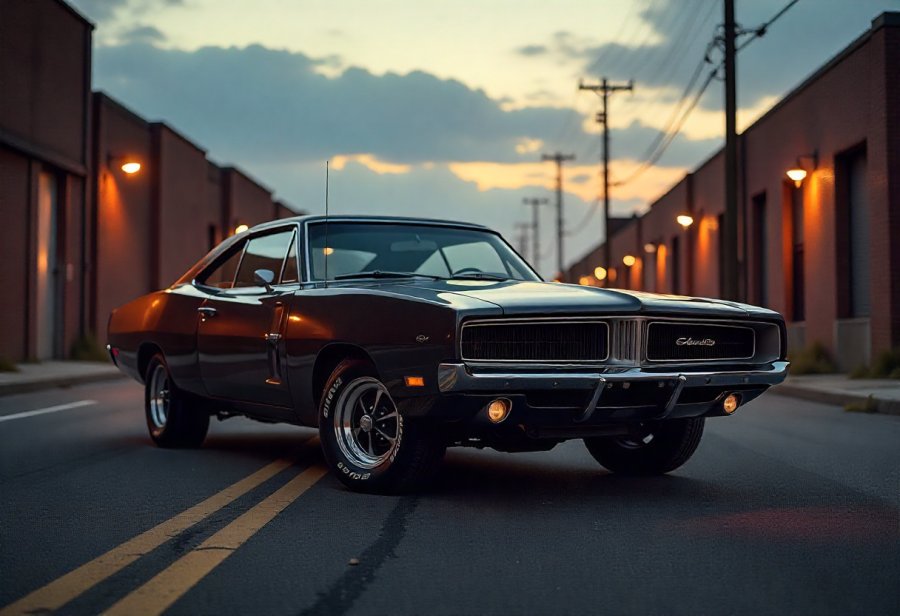
Design-wise, the Charger’s look has always been as rebellious as its performance. Its long hood, muscular lines, and signature four taillights make it instantly recognizable. The aggressive grille and bold lines don’t just suggest speed—they communicate attitude and strength. Whether in vintage form or the latest models, every element screams primal power and commands attention, reflecting the car’s role as a street dominator.
Over the decades, the Charger has evolved without losing its rebellious spirit. From the classic fastback styling of the late ’60s to today’s high-performance variants, it remains a symbol of American muscle and street dominance. Its legacy is rooted in pushing limits, embracing individuality, and celebrating the raw, primal power of the open road. More than just a car, the Dodge Charger embodies the unrelenting spirit of muscle car rebellion—loud, proud, and forever standing apart.
From Classic to Contemporary: The Evolution of the Dodge Charger
The Dodge Charger’s story is one of relentless evolution, blending its muscle car roots with modern innovation to stay fierce and relevant. When it first appeared in the late 1960s, the Charger was all about bold design and explosive power. Its early models, like the 1968 and 1969 versions, featured sleek fastback profiles, muscular lines, and big-block V8 engines that roared with performance. These cars weren’t just about speed—they made a statement, embodying attitude and rebellion that instantly captured the imagination of enthusiasts and casual fans alike.
As the decades rolled on, the Charger’s appearance evolved to match changing tastes and safety standards, but its rebellious spirit remained intact. In the 1970s, the design softened slightly with added safety features and a more refined look, yet the core muscle and attitude persisted. The mid-2000s marked a pivotal revival, with Dodge reintroducing the Charger with a design inspired by its classic predecessors. The 2006 remake combined vintage cues—like the long hood and wide stance—with sharp, contemporary styling. This successful fusion reestablished the Charger as a modern muscle car rooted in a storied legacy, appealing to both old fans and new drivers.
Technological progress has played a crucial role in keeping the Charger at the forefront of performance. Today’s models boast advanced suspensions, electronic driver aids, and safety features that weren’t available in the original versions. High-tech elements like launch control, adaptive damping, and sophisticated traction management help drivers harness their power responsibly, whether on the street or track. This blend of raw performance and modern engineering ensures the Charger remains a street racing icon while offering reliability and safety for everyday driving.
The latest versions, like the SRT Hellcat, push performance even further. Supercharged engines producing over 700 horsepower mean these Chargers can accelerate from zero to 60 in under four seconds. Despite the technological advancements, the essence of the Charger’s rebellious DNA endures. Its muscular silhouette, signature grille, and iconic four taillights continue to evoke the raw power that defined its legacy, making every drive feel like a throwback to street racing’s golden age.
Throughout its journey, the Charger has managed to honor its roots while embracing innovation. Each redesign and update pays homage to its muscle car heritage, emphasizing strength, attitude, and performance. Whether in vintage form or modern high-performance variants, the Charger remains a symbol of American muscle rebellion—loud, proud, and unyielding. Its evolution proves that you can pursue progress without losing the primal edge that makes it an enduring legend on the road.
The Modern Muscle: How Today’s Dodge Charger Embodies Classic Rebellion
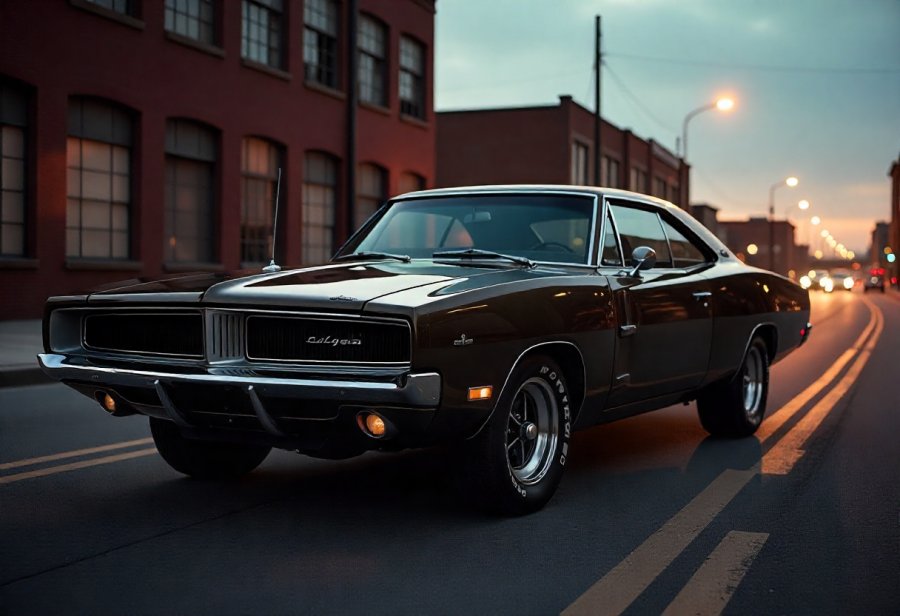
The modern Dodge Charger continues to embody the rebellious spirit and raw power that made its vintage predecessors legendary, but with a contemporary edge that appeals to today’s drivers. Its design remains aggressive and muscular, featuring a wide stance, sculpted lines, and bold details that demand attention on the street. The signature four taillights and prominent grille pay tribute to its classic roots, while aerodynamic improvements and sharp styling updates ensure it looks fresh and relevant in any era.
Under the hood, the Charger’s engines are where it truly roars. The supercharged 6.2-liter V8 in the SRT Hellcat delivers over 700 horsepower, making it one of the fastest muscle cars on the road today. Its blistering acceleration—zero to 60 in under four seconds—keeps the Charger firmly in street racing territory. Advanced features like launch control and high-performance suspensions give drivers the tools to harness this power safely, whether on city streets or race tracks, blending primal instinct with modern technology.
Inside, the Charger balances raw performance with comfort and tech. Premium materials and a driver-centric cockpit create an immersive experience, while touchscreen infotainment, driver-assist systems, and customizable driving modes give control and convenience at every turn. Whether drivers want a smooth cruiser or a street beast ready to unleash, the interior adapts without losing its aggressive personality, reinforcing the car’s versatility and appeal.
Modern electronics further enhance the Charger’s performance. Adaptive suspensions, traction management, and safety systems like blind-spot monitoring and emergency braking help manage its immense power responsibly. These innovations make the Charger more accessible, allowing enthusiasts to push limits without compromising safety or daily usability. The result is a muscle car that remains fierce but smarter, more refined, and more capable than ever.
Despite all the modern upgrades, the Charger’s DNA remains rooted in its rebellious, primal origins. Its muscular silhouette, signature grille, and iconic taillights serve as visual reminders of its legacy—cars built for speed, attitude, and street dominance. Every detail, from the roar of its engine to its commanding presence, celebrates the raw energy that defines American muscle. Today’s Charger continues to honor that rebellious spirit, roaring into the future while staying true to its legendary past.
The Heart of Rebellion: What Makes the Dodge Charger a Symbol of Raw Power
The Dodge Charger is more than just a car; it’s a powerful symbol of primal road power and rebellion that taps into the core of American muscle car culture. Its thunderous engine growl and aggressive stance evoke an instinctual connection to strength, speed, and freedom. Driving a Charger isn’t merely about transportation—it’s about unleashing raw energy, a visceral feeling that awakens primal instincts and asserts dominance on the street.
What sets the Charger apart is its ability to embody rebellion in every detail. Its muscular body, wide stance, and bold design aren’t just for show—they serve as a visual declaration of attitude and resistance. When you see a Charger rumbling past, it’s impossible not to feel the commanding presence it exudes. It’s a statement that refuses to conform, a celebration of unfiltered power that demands respect and attention.
Throughout its history, the Charger has maintained a focus on unleashing raw, primal road power. Vintage models like the 1968 and 1969 R/T showcased this with massive big-block engines and aggressive styling, cementing their reputation as street racing icons. Today’s modern versions continue that legacy with supercharged engines producing over 700 horsepower, turning every drive into a race-ready experience. Every time that engine roars to life, it’s a reminder of the Charger’s core purpose—being a beast that commands respect and owns the road.
Design elements further reinforce its symbolic power. The signature four taillights, the wide grille, and sculpted muscular lines create an intimidating presence that screams street dominance. These features aren’t just aesthetic—they communicate strength and attitude, making the Charger instantly recognizable and deeply rooted in the tradition of American muscle rebellion. Its look is a visual rallying cry—loud, proud, and fiercely unapologetic.
At its heart, the Charger channels primal energy, urging drivers to push limits and embrace their independence. It awakens a sense of rebellion that’s woven into its very DNA. This isn’t just a machine; it’s a cultural icon that continues to embody the unyielding spirit of muscle car rebellion—loud, proud, and forever powerful on the open road. The Charger’s enduring appeal lies in its ability to connect drivers to their instinctual desire for speed, strength, and freedom.
Driving Into the Future: Innovations and Trends Shaping the Dodge Charger’s Next Chapter
The future of the Dodge Charger is shaping up to be as bold and unpredictable as its legendary past. As the automotive industry pivots toward cleaner, more sustainable technologies, Dodge is exploring innovative ways to keep the Charger relevant without losing its primal essence. One of the most exciting directions is the development of high-performance electric muscle cars that promise instant torque and blistering acceleration—delivering the raw street power fans love, but in a quieter, more environmentally friendly package. These electric variants aim to capture the Charger’s spirit of rebellion while embracing the shift toward sustainable mobility.
Alongside electrification, advancements in lightweight materials and manufacturing techniques are transforming the Charger’s design and performance. Automakers are incorporating eco-conscious composites and advanced alloys to reduce weight, which enhances agility and efficiency without sacrificing the muscular aesthetic that defines the model. This evolution allows Dodge to maintain the wide, aggressive stance and bold styling cues that make the Charger instantly recognizable, even as it adopts more aerodynamic, futuristic features.
Technology will continue to play a pivotal role in shaping the Charger’s next chapter. Future models could feature semi-autonomous driving modes that still allow for spirited driving experiences. Driver-assistance systems like adaptive cruise control, lane-keep assist, and collision mitigation will blend seamlessly with high-powered engines, making the Charger safer and more accessible for a broader range of enthusiasts. These innovations aim to balance the primal thrill of unleashing raw power with the practical demands of modern driving.
Design-wise, Dodge is likely to preserve the iconic silhouette—wide stance, muscular lines, and signature taillights—while integrating sleeker aerodynamics and futuristic accents. Customization options and aftermarket support will remain vital, helping owners express their individuality and maintain the rebellious spirit that makes the Charger special. This ongoing visual evolution ensures the model stays relevant without losing its core identity rooted in street dominance.
The shift toward electrification presents both challenges and opportunities. Electric powertrains can deliver immediate torque and high performance, aligning perfectly with the Charger’s legacy of raw power. Hybrid systems might serve as a bridge, combining traditional V8 performance with electric assist to offer a new form of muscle—sustainable yet fierce. Dodge’s ongoing innovations suggest that the Charger’s roar will persist, even if its sound changes, resonating with a new generation of enthusiasts.
Enthusiast communities and aftermarket tuning will continue fueling the Charger’s rebellious spirit. Online forums, clubs, and custom shops have always kept the muscle car flame alive, and they’ll play a crucial role in shaping its future. Drivers will find ways to push limits, personalize their machines, and keep the primal energy alive—no matter how advanced the technology becomes. This vibrant culture ensures the Charger remains a symbol of unrestrained performance and independence.
Ultimately, the Charger’s future hinges on a delicate balance: embracing cutting-edge innovations while honoring its roots of raw, primal power. Whether powered by electric motors, hybrid systems, or traditional engines, it will remain a beacon of American muscle—loud, proud, and fiercely rebellious. Dodge’s commitment to pushing boundaries means the Charger will continue to inspire, dominate, and ignite primal instincts on the road, just as it has done for generations. Its legacy is set to endure, roaring into the future with the same unyielding spirit that made it a legend.