Mastering the art of walking calmly with your dog transforms daily routines into moments of trust and connection. But how do you turn a frustrating walk into a peaceful shared experience? This guide reveals that calm leash walking isn’t just about obedience—it’s about fostering mutual respect, trust, and effective communication. It emphasizes the importance of understanding canine behavior, establishing clear commands, and implementing gentle, positive reinforcement techniques. From starting in quiet environments to gradually introducing distractions, each step builds your dog’s confidence and focus. Practical tips on leash handling, environmental management, and addressing common challenges like pulling or reactivity ensure your walks become more relaxed and enjoyable. With consistent effort, patience, and the right tools, you can turn everyday outings into bonding moments that strengthen your relationship and create lasting harmony. Are you ready to unlock this peaceful, mutually rewarding connection?
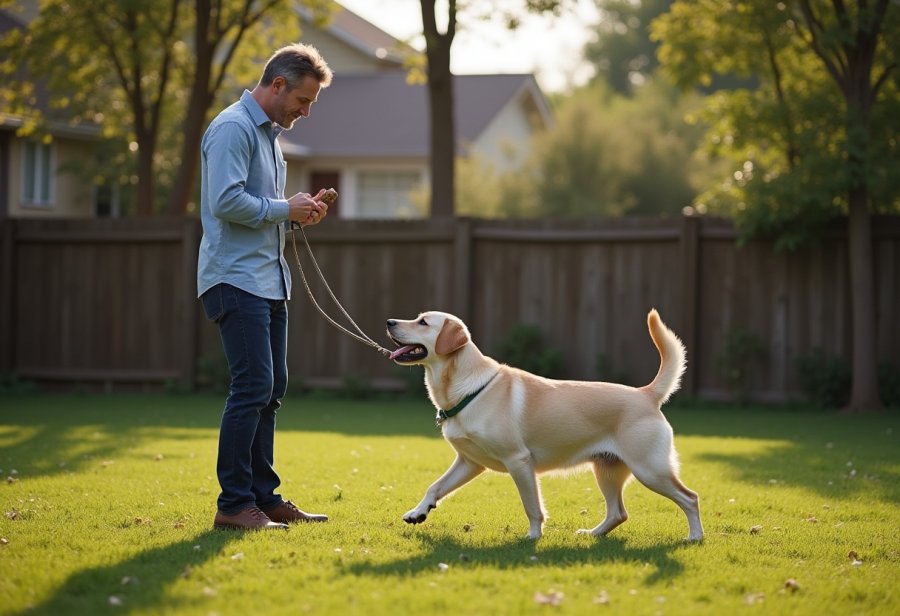
Journey to Calm: Transforming Dog Walks into Trusting Bonds
Walking calmly with your dog might seem straightforward, but it’s actually a skill that can significantly change your daily routines. When your dog learns to walk beside you without pulling or getting distracted, walks become more relaxed and enjoyable. It’s not just about obedience; it’s about building a foundation of trust, clear communication, and mutual respect. A calm walk turns what’s often a frustrating task into a shared moment of connection, strengthening your bond and making outings more pleasant for both of you.
Understanding what calm leash walking really involves goes beyond keeping your dog on a loose leash. It’s about creating a peaceful experience where your dog feels secure and focused, even amidst busy or distracting environments. When your dog learns to stay relaxed and attentive, common issues like pulling or reacting to stimuli diminish, transforming walks into stress-free adventures. Developing this skill requires patience and consistency, but the rewards include a more confident, well-behaved companion who truly enjoys your company.
Calm leash training also enhances safety. Preventing sudden pulls can help avoid accidents, especially in unfamiliar or crowded areas. As your dog learns to trust your guidance and respond reliably, every walk becomes an opportunity to deepen your connection. These shared positive experiences foster mutual understanding and trust, turning routine outings into moments of harmony and joy.
The main goal of mastering calm dog walking is to nurture a positive, trusting relationship. Teaching your dog to focus on you amid distractions and stay relaxed makes walks safer, more controlled, and more enjoyable. When your dog feels secure and knows what to expect, they’re more likely to remain calm and attentive, enriching both your bond and your daily routine.
This guide offers practical techniques and tips to help you achieve calm, connected walks. You’ll learn how to use positive reinforcement, establish effective routines, and handle your leash with confidence. With patience and consistency, you can turn everyday walks into peaceful, bonding experiences that benefit both you and your dog.
Understanding Dog Behavior: The Foundation of Calm Walking
Understanding how dogs communicate and behave is essential for mastering calm leash walking. Dogs are naturally curious and easily distracted, which often leads to pulling or lunging during walks. By paying close attention to their body language—relaxed ears, wagging tails, or a calm posture—you can better respond to their needs and build trust. Recognizing these signals helps you guide your dog toward calmness more effectively and reduces frustration for both of you.
Effective leash training is rooted in understanding what motivates your dog and how they interpret their environment. Instead of relying on harsh corrections, focus on gentle guidance and consistent positive reinforcement. Creating routines that foster predictability makes your dog feel secure and eager to cooperate. When walks are associated with treats and praise, your dog is more likely to stay relaxed and attentive, turning training into a bonding experience rather than a battle.
Training methods have evolved from dominance-based techniques to approaches centered on trust and kindness. Older methods often used control and punishment, which could create confusion or fear. Today’s best practices emphasize rewarding calm, focused behavior through patience and positive reinforcement. This shift reflects a deeper understanding of canine psychology and the importance of building a respectful, trusting relationship.
Core concepts like focus, patience, and kindness form the backbone of successful leash training. Teaching your dog to pay attention to you, especially in distracting settings, takes time but pays off in a calmer, more confident dog. Consistency and rewards motivate your dog to repeat good behaviors, transforming walks into moments of mutual trust and connection. Progress may be gradual, but steady effort yields lasting results.
By understanding dog behavior and adopting humane, trust-based techniques, you lay a solid foundation for successful leash training. This approach not only improves walks but also strengthens your bond. With patience and routine, your dog will learn to walk calmly at your side, turning daily outings into peaceful, shared adventures.
Mastering Strategies for Focused, Peaceful Walks
Achieving calm and focused walks with your dog relies on a few key strategies that work together smoothly. First, establishing clear commands like “heel” or “focus” helps your dog understand what’s expected. When these cues are consistent and reliable, your dog learns to respond calmly, even in environments full of distractions. Proper leash handling is equally important; keeping the leash loose and steady prevents tension and pulls, which in turn gives your dog a sense of security and control. This gentle guidance shows your dog that walking calmly beside you is rewarding and expected.
Managing the environment plays a big role. Start training in quiet, low-distraction areas so your dog can learn without feeling overwhelmed. As they improve, gradually introduce mild distractions, rewarding calmness and focus along the way. Watching your dog’s body language—like relaxed ears or wagging tail—can help you respond with reassurance and patience, especially when they show signs of stress or excitement. Recognizing these signals allows you to reset the tone and keep training positive.
Consistency and patience are vital. Short, frequent sessions are more effective than long, infrequent ones. Always finish on a high note, praising your dog for good behavior to reinforce calmness. Over time, these techniques help your dog internalize peaceful walking habits, making outings more relaxed for both of you. The goal isn’t perfection but steady progress—turning training into a shared experience of trust and connection.
For dogs with specific challenges like leash pulling or reactivity, techniques such as redirecting their focus or rewarding calm behavior can make a noticeable difference. If your dog reacts strongly to stimuli, working gradually on desensitization in controlled settings builds confidence and helps maintain composure. Patience and understanding your dog’s signals are your best tools for success.
By combining clear commands, gentle leash handling, environmental control, and patience, you create a foundation for peaceful, focused walks. This approach transforms walks from stressful routines into bonding moments. With consistent effort, your dog will learn to stay relaxed and attentive, turning everyday outings into enjoyable, shared experiences filled with trust and mutual understanding.
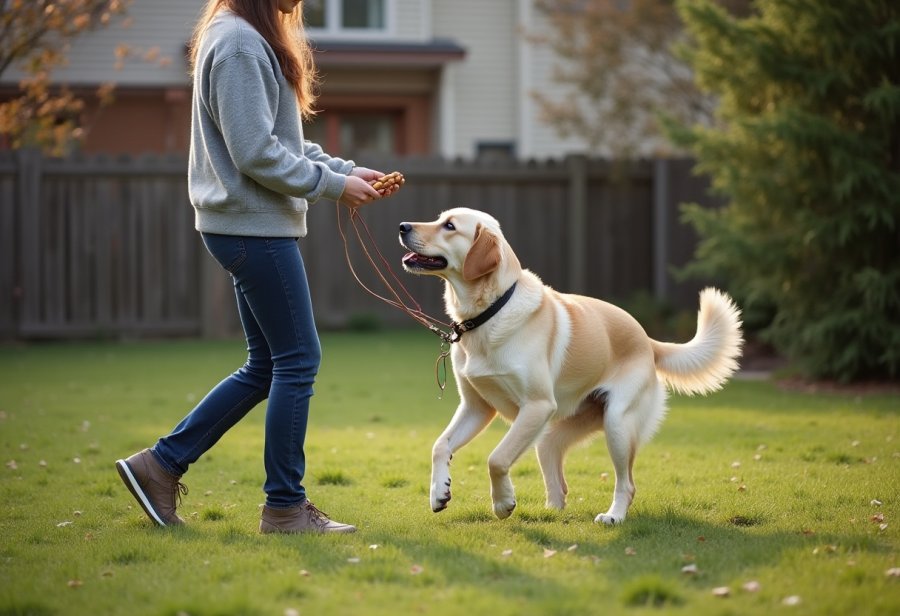
Everyday Success: Applying Calm Leash Techniques in Routine Outings
Applying calm leash walking techniques in everyday life hinges on consistency and making these practices a natural part of your routine. Starting in familiar, low-distraction settings like your backyard or quiet neighborhood streets creates a safe environment for your dog to learn without feeling overwhelmed. Use simple commands such as “focus” or “heel,” and reward your dog immediately when they respond correctly. These small, frequent rewards reinforce the idea that calm walking is positive and expected.
Carrying treats during your walks helps keep your dog attentive, even outside structured training sessions. Whenever your dog walks beside you without pulling or getting distracted, praise them warmly or give a treat. These moments build confidence and help your dog associate calm behavior with positive reinforcement. Keep your leash relaxed rather than tight—it signals to your dog that relaxed walking is comfortable and desirable, encouraging them to stay calm and attentive.
Short, consistent training sessions are more effective than lengthy, sporadic efforts. End each session positively to maintain your dog’s enthusiasm and confidence. As your dog improves, gradually introduce mild distractions such as passing people or other dogs, rewarding calmness throughout. This steady progression helps your dog generalize calm walking to different environments, making everyday outings more peaceful and enjoyable.
Incorporating these techniques into daily routines transforms walks into bonding opportunities rather than stressful chores. Whether heading to the park, running errands, or exploring new neighborhoods, your dog will learn to stay focused and relaxed. Over time, these shared experiences deepen trust and mutual respect, turning routine walks into moments of connection and joy.
Take Sarah and Max as an example: she started practicing in quiet parks, rewarding Max for walking calmly at her side. Weeks later, their walks are peaceful, with Max attentively watching her and remaining relaxed despite distractions. Small, consistent efforts like hers demonstrate how patience and routine can turn chaotic walks into shared moments of harmony.
Remember, the goal isn’t perfection but steady progress. Maintaining a calm demeanor yourself and sticking to routines help create a safe, positive environment for your dog. With patience and persistence, calm leash walking becomes a natural, enjoyable part of daily life, enriching your relationship and making every walk a shared success.
Investing in Peace: Costs and Tools for Tranquil Walks
Training your dog to walk calmly on a leash involves some investment, but the costs can vary widely depending on your approach. Basic tools like a sturdy leash, a comfortable harness, or a head collar are affordable options, typically ranging from $10 to $50. Quality gear often makes training more effective and comfortable for your dog, making these purchases well worth the expense. They help establish control and make walks safer, especially during the initial learning stages.
If you prefer professional guidance, enrolling in training classes or hiring a private trainer can accelerate progress. Group classes usually cost between $50 and $150 for a series of sessions, while private sessions might come with higher price tags—up to several hundred dollars depending on location and expertise. While these options require a larger upfront investment, many find the tailored instruction addresses specific issues more efficiently, boosting confidence and results faster.
Online courses and instructional videos offer a budget-friendly alternative. Reputable programs often cost under $50 and provide step-by-step guidance you can follow at your own pace. They’re especially handy for owners comfortable with self-training or working within a tight budget, making consistent practice more accessible. Remember, treats, toys, and training aids are additional ongoing expenses that reinforce good leash manners, but these costs are generally manageable and scalable.
Overall, the initial outlay depends on your resources and goals, but most owners agree that the safety, calmness, and stronger bond achieved through proper training justify the investment. Planning ahead helps ensure you choose resources that fit your budget without sacrificing progress. Small, consistent investments in quality tools and instruction often lead to noticeable improvements in daily walks.
Keep in mind that ongoing practice is essential. Regularly setting aside time for short sessions, using positive reinforcement, and investing in good equipment create a sustainable routine. These efforts help your dog internalize calm walking habits, making training a natural part of your shared life. With patience and a clear plan, the financial commitment becomes a worthwhile step toward more peaceful, joyful walks.
Planning for Progress: Developing a Steady Calm Walking Routine
Developing a clear, realistic plan is essential for making steady progress with calm leash walking. Start by setting small, achievable goals, like practicing focus for a few minutes each day in familiar environments. These simple steps help your dog build confidence and create a routine that feels natural. Consistency is key; practicing at the same times each day reinforces good habits and makes calm walking an expected part of your daily life.
Break your training into stages, gradually increasing the level of difficulty. Begin in quiet, low-distraction areas, then slowly introduce mild distractions like passing people or other dogs. Reward calm, focused behavior at each step to reinforce progress. Tracking your results can help identify what’s working and where your dog needs extra attention, allowing you to adjust your approach as needed. Patience remains vital—each dog learns at their own pace, and setbacks are part of the process.
Use positive reinforcement consistently. Carry treats or praise your dog immediately when they respond correctly. Short, frequent training sessions are more effective than long, infrequent ones, and ending each session on a positive note keeps your dog eager to learn. As your dog’s confidence grows, gradually increase distractions, always rewarding calmness and attentiveness along the way. This steady progression will help your dog generalize calm leash walking to various settings.
Remember to celebrate small victories—like moments when your dog stays focused or reduces pulling. These milestones build trust and motivate both of you to keep progressing. Keep your expectations realistic, and avoid rushing the process. Developing a calm, confident walking routine takes time, but with consistent effort and patience, it becomes a natural part of your shared life. Over time, routine walks will transform into peaceful, bonding experiences that strengthen your relationship and create lasting trust.
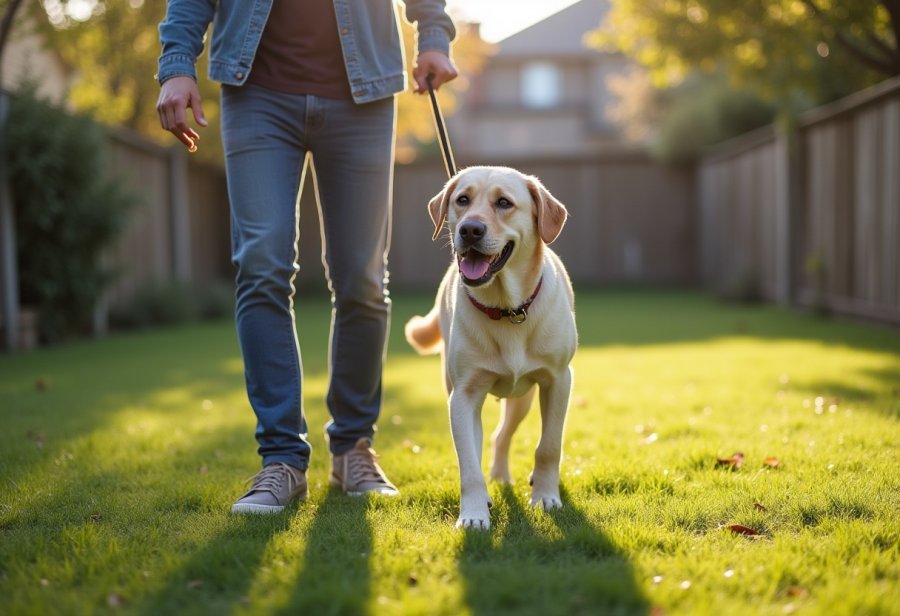
Overcoming Hurdles: Tackling Challenges in Calm Leash Training
Training a dog to walk calmly on a leash often presents common hurdles, but recognizing and addressing these challenges makes progress smoother. One of the most frequent issues is pulling, especially when your dog becomes excited or spots something interesting. To tackle this, focus on reinforcing loose-leash walking by stopping whenever tension occurs and rewarding your dog when they return to your side calmly. Consistent practice helps your dog understand that staying close and relaxed is more rewarding than pulling ahead.
Distraction is another obstacle that can throw off training. Busy streets, other dogs, or unfamiliar sounds easily divert your dog’s attention. Starting in quiet environments and gradually introducing mild distractions, while rewarding calm and focused behavior, builds your dog’s confidence and self-control. Watching your dog’s body language—relaxed ears, wagging tail—can guide you to respond with reassurance, preventing overexcitement from escalating.
Setbacks or regressions are normal in the learning process. Often, they occur when routines aren’t consistent or training sessions are too long or infrequent. Short, frequent sessions that end positively reinforce good habits without overwhelming your dog. If your dog shows signs of stress or distraction, it’s best to pause and reset, maintaining a positive experience and avoiding frustration.
For dogs with persistent issues like reactivity or strong pulling, tools such as front-clip harnesses or head collars can improve control. These aids aren’t a quick fix but support your training efforts by giving you better guidance. If your dog’s reactivity or overexcitement continues to challenge progress, consulting a professional trainer can provide tailored strategies that address specific needs effectively.
Patience and flexibility are key. Recognize that every dog learns at their own pace, and setbacks are part of the journey. Adjust your expectations, stay consistent, and celebrate small victories. With time and steady effort, even the most distracted or reactive dogs can learn to walk calmly, turning walks into peaceful, bonding moments rather than stressful routines.