Embarking on your first camping adventure can seem daunting—full of uncertainties and unexpected challenges. But what if a simple shift in mindset could turn this daunting experience into your most rewarding escape? This guide reveals how embracing curiosity, patience, and flexibility transforms obstacles into opportunities for growth and joy. From mastering basic gear and safety tips to managing expectations and handling setbacks, it shows that confidence builds through small victories and resilience. Stories of beginners who turned mistakes into milestones remind us that every challenge is a stepping stone toward independence and a deeper connection with nature. Instead of stressing over perfect plans, learning to adapt fosters a calming sense of accomplishment that lasts beyond the campsite. Isn’t it time to see outdoor adventures as personal growth journeys? With the right attitude, camping becomes not just an outdoor activity but a powerful catalyst for lifelong confidence and discovery.
Embrace the Outdoors: Cultivating the Perfect Camping Mindset
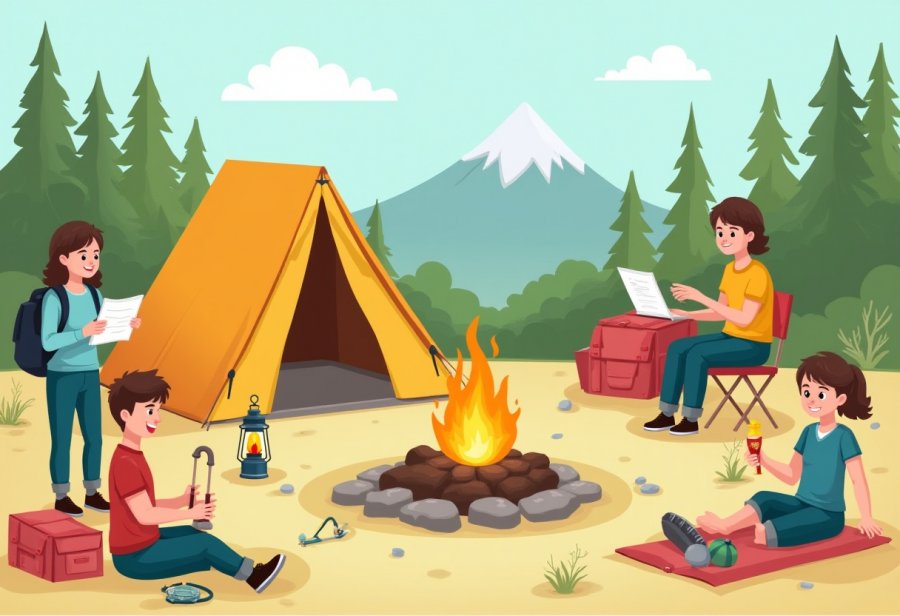
Starting your first camping trip can feel like stepping into a whole new world—full of excitement but also a bit intimidating. It’s normal to worry about whether you’ve packed everything or if you’re truly prepared to handle the outdoors. These feelings are part of the learning curve and can even add to the adventure. But beyond gear and supplies, what really shapes your experience is your mindset. Approaching the outdoors with curiosity, patience, and an open mind transforms potential obstacles into opportunities for discovery.
When you stay relaxed and adaptable, setbacks like a tricky tent setup or unexpected weather become just small bumps along the way. Instead of stressing, viewing these moments as part of the journey makes the experience more enjoyable and less stressful. A positive attitude allows you to see each challenge as a chance to learn something new, building confidence with every step. This shift in perspective turns frustration into curiosity and makes the entire trip feel more rewarding.
Focusing on being present helps you connect more deeply with nature. Listening to the sounds of leaves rustling, watching a sunset, or simply soaking in the quiet around you creates a sense of calm. Letting go of the need for everything to go perfectly opens space for spontaneous fun and genuine enjoyment. These small, unexpected moments often become the most memorable parts of your trip, enriching your outdoor experience beyond expectations.
Managing expectations is also key. Realistically, not everything will go according to plan, and that’s okay. Weather might shift, gear might be forgotten, or plans may need to change. Accepting that surprises are part of camping helps you stay flexible and keeps your mood light. Instead of feeling frustrated, you’ll find more joy in the process, embracing the unpredictability as part of the adventure.
A good camping mindset encourages you to view each trip as an opportunity for growth. Facing challenges with patience and a positive outlook builds resilience and trust in your abilities. You’ll start to see yourself as someone capable of handling outdoor situations, which naturally reduces anxiety. Over time, this confidence becomes a foundation for future trips and even everyday life challenges, fostering a sense of independence and calm.
Remember, everyone begins as a beginner. No one masters camping on their first try. What truly matters is your willingness to embrace the experience with an open heart. Approaching your outdoor adventure with curiosity and patience not only makes the trip more fun but also sets the stage for many more rewarding outdoor journeys ahead.
Master Camping Basics: Essential Knowledge for Your First Trip
Before heading out on your first camping trip, getting comfortable with some basic knowledge can make a huge difference in how relaxed and confident you feel. Start by familiarizing yourself with essential gear like tents, sleeping bags, and cooking equipment. Watching tutorials or practicing setting up your tent in your backyard can save you time and frustration at the site. Knowing what to bring and how to use it turns camping from a potential hassle into a smooth, enjoyable experience.
Choosing the right campsite is just as important as your gear. Look for a flat, clear area free of rocks or roots, ideally close to water but not right next to it. A sheltered spot away from busy trails and flood zones creates a safer, more comfortable environment. These simple choices help you settle in quickly and focus on the fun rather than worrying about safety or discomfort.
Understanding some outdoor safety basics boosts your confidence even further. Familiarize yourself with local wildlife—like not feeding animals or properly storing food—and check weather forecasts regularly. Packing a small first aid kit and knowing how to use it means minor injuries won’t derail your trip. Being prepared in these ways helps you stay calm, so you can enjoy the outdoors without unnecessary worry.
Meal planning is another key step. Keep your food simple with pre-packed snacks and easy-to-make meals that don’t require lots of gear or prep. Carry enough water for drinking and cooking, and learn how to purify natural sources if needed. Organizing your gear so essentials like flashlights, maps, and first aid supplies are easy to access makes set-up and breaks smoother, giving you more time to enjoy your surroundings.
Getting familiar with outdoor activities can add extra enjoyment to your trip. Plan simple hikes or nature walks suited to your fitness level, and bring tools like binoculars or a camera to turn a walk into a mini adventure. These small activities deepen your connection with nature and build your confidence for future outings, making outdoor life feel more accessible.
Finally, don’t stress over the inevitable mistakes. Even seasoned campers forget gear or misjudge the weather sometimes. Each slip-up is a chance to learn and improve. Take your time setting up camp, follow safety guidelines, and stay organized. With practice, outdoor life becomes less intimidating and more rewarding, turning your first camping experience into a foundation for many more adventures to come.
Create Joyful Memories: Strategies to Maximize Your Camping Happiness
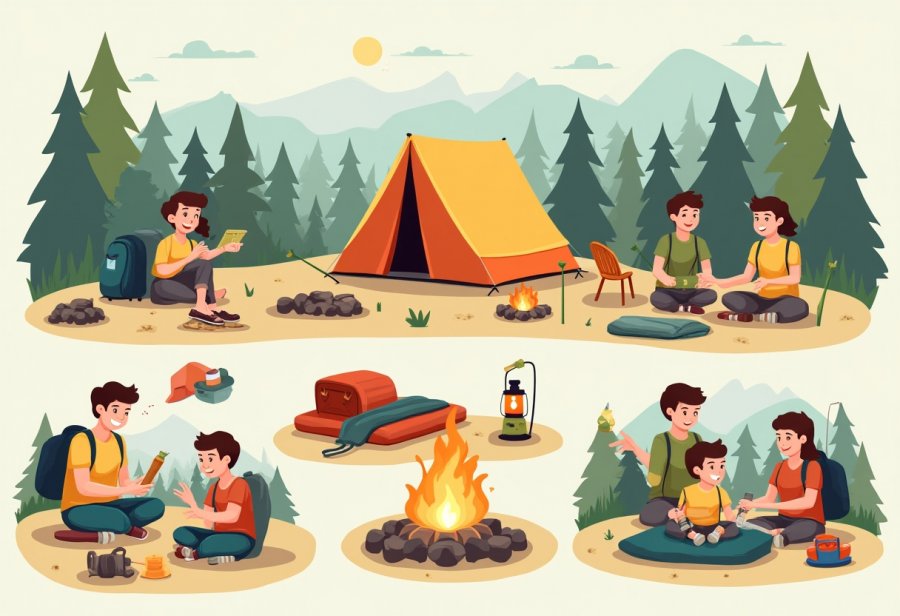
Creating a happy camping experience starts with attitude. Approaching your trip with positivity and curiosity transforms potential setbacks into moments of joy. Instead of stressing over what might go wrong, focus on the small pleasures around you—listening to rustling leaves, watching a sunset, or simply enjoying a break from screens and routines. Shifting your perspective like this helps you stay present and relaxed, making the entire experience more memorable.
Practical strategies also play a big role in boosting your enjoyment. Staying organized with your gear, managing expectations, and taking regular breaks keep things running smoothly. For example, neatly arranging supplies saves time and frustration, leaving more space for fun. Planning simple activities or setting achievable goals keeps everyone engaged without feeling overwhelmed. Flexibility is key—if weather changes or energy dips, adapting plans keeps the mood light and upbeat.
Connecting with nature deepens your experience. Slow down and really observe your surroundings—listen to bird calls, feel the breeze, or notice the textures of tree bark. Engaging your senses through mindful walks or quiet moments fosters a sense of calm and appreciation. These small acts turn camping into a personal retreat that restores your connection to the outdoors, transforming routine trips into meaningful escapes.
Sharing moments with others enhances the joy. Telling stories around the campfire, singing songs, or playing simple games creates bonds and lifts spirits. Encouraging everyone to participate, regardless of experience, builds camaraderie and makes the trip more memorable. These shared experiences—laughter, teamwork, and small victories—are what turn camping into a source of happiness and connection.
Remember, mistakes are part of the process. Even seasoned campers face setbacks, whether it’s forgetting gear or dealing with unexpected weather. Approaching these moments with patience and humor transforms them into stories of growth. A positive attitude helps you see challenges as opportunities, not obstacles, making each trip more rewarding and less stressful.
Finally, cultivating this mindset benefits beyond camping. Gaining confidence and resilience outdoors encourages a more optimistic approach to everyday challenges. Overcoming small hurdles builds trust in your abilities, fostering independence and calm that spill into daily life. With the right attitude, outdoor adventures become not just escapes but opportunities for personal growth and lifelong memories.
Turn Challenges into Triumphs: Building Confidence Through Outdoor Obstacles
Starting your first camping trip naturally brings up worries—whether it’s about setting up your tent, dealing with unexpected weather, or feeling unsure in the wild. These fears are normal, especially since the outdoors is full of surprises. Instead of viewing these obstacles as insurmountable, see them as chances to learn new skills and build confidence. For example, struggling to pitch your tent isn’t a failure; it’s a step toward mastery. Each mistake provides a valuable lesson that makes you more prepared for next time.
Managing expectations plays a big role in staying calm when things go wrong. Many first-timers imagine a perfect trip, but weather shifts, gear gets forgotten, and plans change. Accepting that setbacks are part of the experience helps you stay flexible and keeps frustration at bay. Instead of dwelling on what’s gone wrong, focus on what you can control—like adjusting your plans or enjoying the moment. This mindset keeps the mood light and turns challenges into opportunities for creativity.
Resilience grows from viewing mistakes as part of the learning process. Whether it’s misbuilding a fire or packing too much gear, errors happen. The key is to approach these moments with patience and humor, seeing them as stepping stones rather than failures. Over time, each hurdle overcome boosts your confidence, proving that you are capable of handling outdoor situations. This sense of trust in your abilities encourages you to try new activities and take on bigger challenges outdoors.
Building trust in yourself is essential. Small successes—like successfully setting up camp or navigating a trail—add up and reinforce your belief that you can manage whatever comes your way. Each accomplishment, no matter how minor, strengthens your confidence and reduces anxiety. The more experiences you gather, the more you realize that you’re more capable than you initially thought, which makes future adventures even more approachable.
Safety concerns are natural, but learning basic outdoor safety skills turns fear into empowerment. Knowing how to store food properly, respond to wildlife, or read weather signs makes the wilderness feel less intimidating. Simple precautions like packing a first aid kit or understanding how to react to an emergency give you a sense of control. When you’re prepared, fears fade, and you can focus on enjoying the moment rather than worrying about what might go wrong.
Every challenge faced outdoors is an opportunity to grow. Instead of seeing setbacks as setbacks, view them as stories of resilience and progress. Each mistake teaches you something new—whether it’s how to better organize your gear or handle unpredictable weather. This mindset transforms obstacles into stepping stones, making each trip more rewarding and less stressful. It’s about embracing the journey, knowing that every hurdle is a part of your outdoor learning curve.
Ultimately, overcoming fears in camping builds a foundation of confidence that extends beyond the outdoors. It fosters a mindset that welcomes challenges as opportunities for growth. This perspective not only makes outdoor adventures more enjoyable but also encourages a more resilient, positive outlook in everyday life. When you approach each obstacle with curiosity and patience, you turn camping into a powerful experience of personal development—one that stays with you long after the trip ends.
Inspiring Adventures: How a Positive Mindset Transforms Your Camping Experience
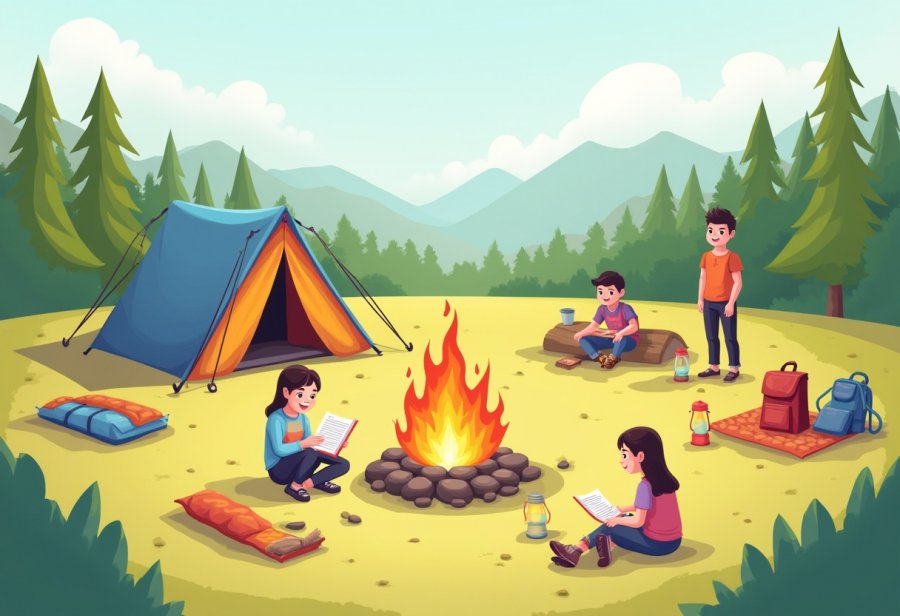
A positive mindset can turn outdoor adventures into stories worth sharing and inspire confidence that lasts well beyond the campsite. Take Sarah, who approached her first trip with nerves but focused on the beauty around her—the gentle rustle of leaves, the warm glow of sunset, and the peaceful silence of nature. Instead of fixating on what might go wrong, she embraced what she could enjoy, which helped her relax and stay open to learning. When she struggled with pitching her tent, viewing it as a new skill rather than a failure made her feel proud and capable.
Stories like Sarah’s show that attitude shapes experience. When you approach camping with curiosity and patience, setbacks become opportunities for growth. Struggling to start a fire or set up camp can become moments of achievement once you figure them out. These small victories reinforce confidence, making future outings seem less intimidating. Many outdoor enthusiasts look back on their first trips filled with both mistakes and triumphs, but what sticks most is how their mindset made all the difference.
Building confidence in the outdoors isn’t just about skills; it’s about how you see yourself handling challenges. Each successful step—navigating a trail or managing unexpected weather—strengthens your belief that you can handle whatever comes your way. These wins grow your trust in your abilities, encouraging you to try new activities, take on bigger challenges, and enjoy outdoor life more fully. That sense of trust becomes a foundation for resilience, inspiring a more adventurous and optimistic outlook in everyday life.
Every obstacle faced outdoors offers a chance to learn and grow. Whether it’s forgetting gear or misjudging the weather, these moments become stories of resilience rather than setbacks. Approaching them with humor and patience transforms mistakes into valuable lessons. Over time, this mindset makes each trip more rewarding, less stressful, and more about discovery than perfection. It turns outdoor challenges into stepping stones that build strength and confidence.
The stories of those who started uncertain but left inspired highlight how the right attitude unlocks personal potential. Overcoming small hurdles outdoors—setting up a tent, navigating a trail, or handling unpredictable weather—fosters a sense of achievement that fuels future confidence. These experiences become a reminder that they’re capable of more than they thought, whether in nature or daily life. The power of mindset transforms outdoor adventures from daunting to empowering.
This shift in perspective doesn’t just make camping more enjoyable; it shapes how we approach life’s challenges. The resilience and confidence gained outdoors ripple into everyday situations, fostering independence and calm. Facing and overcoming obstacles in nature proves that setbacks are temporary and manageable. With each trip, the stories of growth and perseverance grow richer, inspiring ongoing curiosity and a readiness to embrace whatever comes next.
Looking back, many seasoned campers realize that their first trips laid the groundwork for a resilient, confident approach to life. Those initial fears and mistakes became stepping stones to a deeper connection with nature and oneself. The confidence built outdoors fosters a mindset eager for new challenges, whether in personal pursuits, careers, or relationships. It’s these stories of transformation that show how the right attitude makes every outdoor journey a catalyst for lifelong growth.